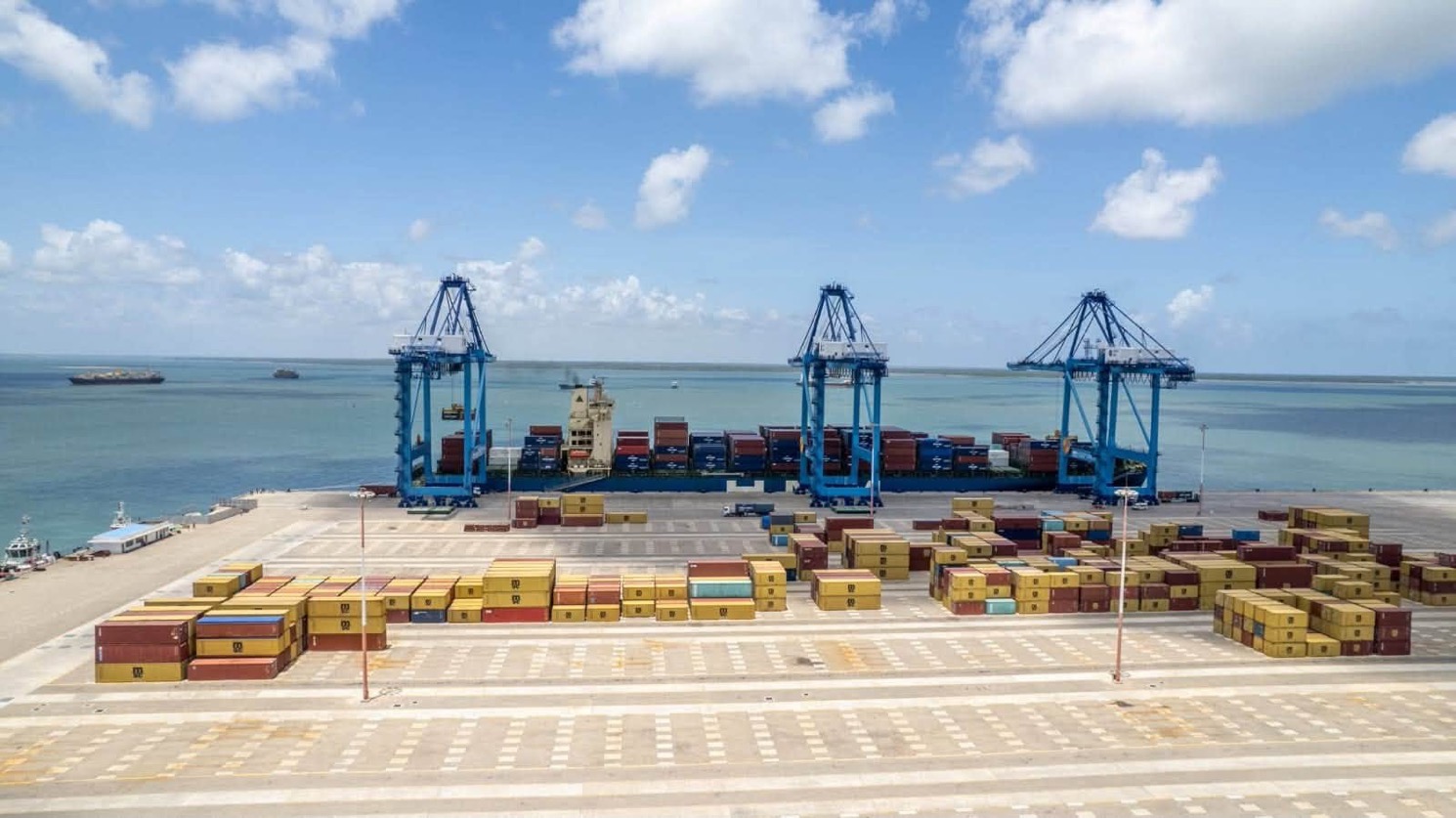
Kenya’s ports of Mombasa and Lamu are expected to receive 51 vessels over a 14-day period, including six oil tankers, as the country continues to handle maritime shipments carrying petroleum products, containers and other cargo. The latest vessel schedule released by the Kenya Ports Authority (KPA) outlines the expected arrivals at the two coastal ports, which serve Kenya and regional markets.
The Port of Mombasa will account for the largest share of arrivals, with 41 vessels scheduled to call during the period. These include six oil tankers, 26 container ships, seven conventional cargo vessels and two car carriers.
The Port of Lamu is expected to receive 10 vessels, comprising nine container ships and one general cargo vessel. Combined, the two ports will handle 35 container ships, six oil tankers, eight conventional or general cargo vessels and two car carriers.
The expected arrivals highlight the different types of maritime traffic handled by Kenya’s two ports. Container ships transport goods in standardised containers, while conventional cargo vessels handle other types of freight. Car carriers are designed to transport vehicles, while oil tankers carry liquid petroleum and other oil products.
The six oil tankers are particularly significant as Kenya relies on imported petroleum products to meet domestic energy demand. According to a report by Kenyans.co.ke citing KPA’s vessel schedule dated October 19, the tankers are expected to transport products including butane, V Power fuel, palm oil, base oil and gasoil. The cargo mix indicates that the incoming shipments extend beyond conventional road fuels to include other energy and industrial products.
The expected arrivals come as fuel costs remain a concern for Kenyan households and businesses. In its latest pricing review effective October 15, the Energy and Petroleum Regulatory Authority raised the maximum retail price of super petrol in Nairobi to KSh 226.96 per litre, diesel to KSh 227.76 and kerosene to KSh 219.87. However, the arrival of oil tankers alone does not establish whether retail fuel prices will fall, as pump prices also depend on international petroleum costs, exchange rates, taxes and other components of the pricing formula.
Mombasa remains a key entry point for imports destined for Kenya and other countries in the region, while Lamu provides an additional port facility for handling maritime cargo. The number and composition of incoming vessels provide an indication of scheduled shipping activity, although actual arrivals and cargo-handling volumes may change.
Attention will now turn to the vessels’ arrival schedules and the handling of their cargo at the two ports over the next 14 days. Any changes to the schedule, including delays or additional vessel calls, will determine the final number of ships received during the period.