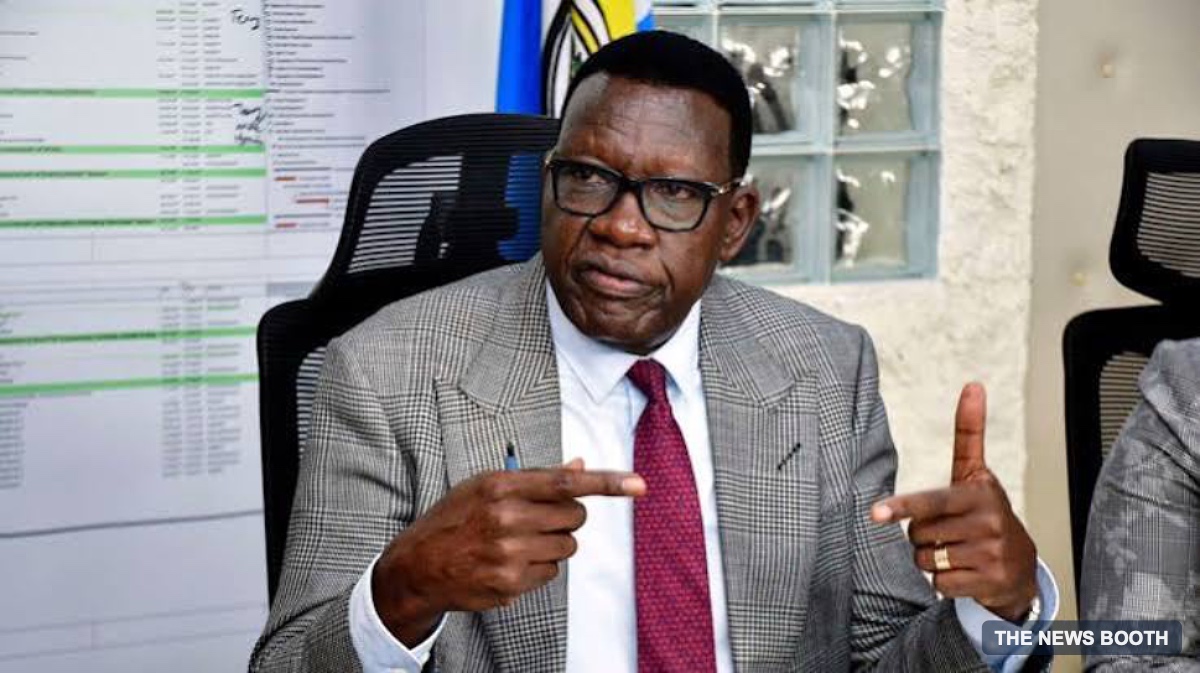
Kenya’s road construction programme faces potential delays after Roads and Transport Cabinet Secretary Davis Chirchir warned that a Sh255 billion funding shortfall could disrupt project implementation in the 2027/28 financial year. Chirchir raised the concern before the National Assembly’s Transport Committee on November 25, 2026, saying inadequate Treasury allocations could also trigger a fresh accumulation of pending bills owed to contractors.
The State Department for Roads has been allocated a proposed expenditure ceiling of Sh242.57 billion for the year beginning July 2027, up from Sh224.88 billion in the current financial year. However, Chirchir said the allocation would not meet the department’s financing requirements, leaving ongoing and planned infrastructure projects exposed to funding constraints.
The proposed ceiling includes Sh60.08 billion for recurrent expenditure and approximately Sh182.5 billion for development projects. The development allocation is substantially below the department’s stated requirement of Sh471.54 billion, creating a capital funding gap of about Sh289.1 billion.
The funding pressure comes as the government plans an extensive infrastructure programme. Its medium-term targets include constructing 4,080 kilometres of new roads and 54 bridges, rehabilitating 293 kilometres and maintaining more than 121,000 kilometres of existing roads.
The programme also includes completing the 750-kilometre Northern Kenya Gateway Corridor connecting Isiolo, Wajir and Mandera. Other priorities include strategic highways such as Rironi–Mau Summit and the proposed Nairobi–Mombasa Expressway, with the government seeking private-sector investment through public-private partnerships.
However, previous implementation figures highlight the challenge of translating budget allocations into completed infrastructure. Chirchir told lawmakers that although overall budget absorption reached 90% in the 2025/26 financial year, only two of 20 targeted bridges were constructed. Road rehabilitation also reached 29.7 kilometres against a target of 210 kilometres.
A shortage of predictable funding can affect contractors' ability to pay workers, suppliers and subcontractors, while extending construction timelines. Motorists and businesses may consequently face prolonged diversions, higher transport costs and delays moving goods along affected routes.
The government has already turned to alternative financing to ease pressure on the Exchequer. The Roads Department reported disbursing Sh208.6 billion through a securitisation framework by October 2026 to support infrastructure development and settle contractor payments. However, gross pending contractor bills still stood at Sh98.17 billion in June 2026.
The proposed 2027/28 budget is now subject to parliamentary scrutiny as lawmakers review the Budget Policy Statement. The Treasury's response to the roads department's funding request will determine whether additional resources are provided or projects are reprioritised to fit the available budget.