Kenya has joined two international initiatives aimed at promoting open-source technology and improving access to safe, inclusive and reliable digital services.
The Ministry of Information, Communications and the Digital Economy announced on Tuesday, November 17, that the country had formally become a member of the Digital Public Goods Alliance (DPGA) and the 50-in-5 campaign.
The two United Nations-endorsed initiatives seek to support the development and adoption of digital public infrastructure (DPI), including open-source software, digital identity systems, digital payment platforms and secure data exchange.
The government said the move marks another step in Kenya's efforts to strengthen its digital transformation agenda while promoting technology that can be developed, managed and improved locally.
Kenya's digital transformation efforts
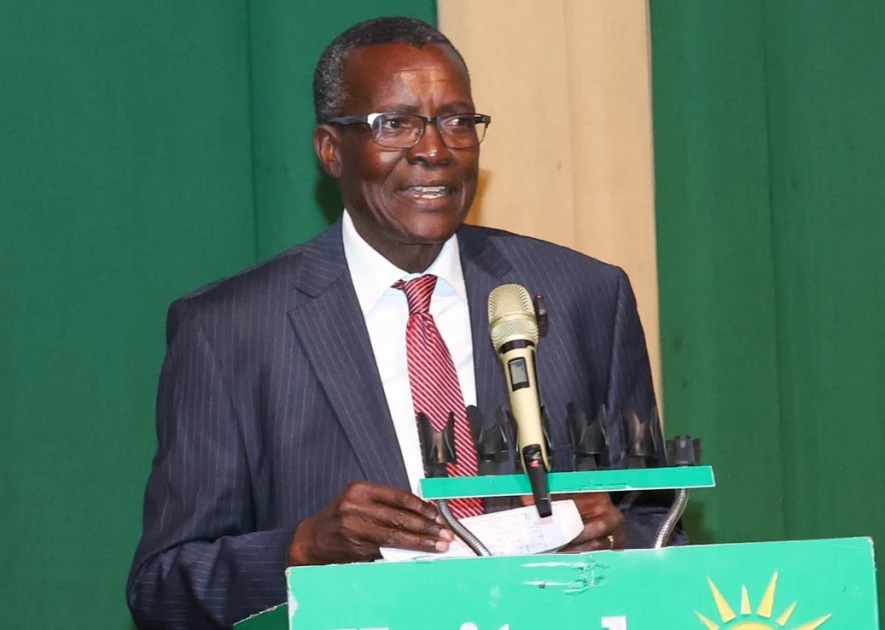
Speaking after the announcement, Information, Communications and the Digital Economy Cabinet Secretary William Kabogo Gitau said Kenya's digital progress had been driven by local innovation, pointing to developments such as mobile money and the eCitizen platform, which provides access to more than 20,000 government services.
“Kenya's digital story has always been written by Kenyans, for Kenyans, from pioneering mobile money to building eCitizen into a single gateway for more than 20,000 government services,” Kabogo said.
He added that joining the two initiatives would help the country build a digital government that is open, sovereign and accessible to more people.
The Cabinet Secretary also said open-source technology was important in protecting the country's digital independence and ensuring that systems serving Kenyans could be understood, secured and improved by local experts.
According to Kabogo, the approach would allow government systems to remain auditable under Kenyan laws, protect citizens' information and reduce dependence on a single technology provider.
He noted that Kenya's National Open Source Programme Office would play a key role in developing local expertise and encouraging Kenyan engineers to create digital solutions that could also be used internationally.
Establishment of open source office
Kenya established the Kenya National Open Source Programme Office (OSPO) in 2025, becoming the first national government OSPO in Africa.
The office was established under the Open Source Ecosystem Enabler initiative in partnership with the International Telecommunication Union, the United Nations Development Programme, the European Union, the Government of Germany and other partners.
The government has also embarked on developing a national Digital Public Infrastructure Roadmap through an inter-ministerial steering committee.
The roadmap is anchored on five key areas: inclusivity, trust and security, interoperability, innovation and sustainability.
Through the 50-in-5 campaign, Kenya has committed to supporting the development and expansion of digital infrastructure as part of a global target to help 50 countries design, launch and scale at least one component of their digital public infrastructure by the end of 2028.
Commitment to global digital goals
The initiative focuses on areas such as digital identity, digital payments and data exchange, with an emphasis on making these systems safe, inclusive and interoperable.
The Digital Public Goods Alliance, on the other hand, promotes the discovery, development and use of digital public goods, including open-source software, open data, open artificial intelligence systems, open standards and open content.
The alliance supports solutions that respect privacy, follow best practices and contribute towards achieving the Sustainable Development Goals.
Kabogo said Kenya's participation would also provide an opportunity for the country to contribute its expertise and ensure African talent and solutions are represented in global discussions on digital infrastructure.
“Kenya did not join these initiatives to follow; we joined to lead, and to ensure that Africa's voice, Africa's talent, and Africa's solutions sit at the centre of the global digital public infrastructure agenda,” he said.
Kenya's latest move follows its participation in the United Nations Open Source Week in New York in 2024, 2025 and 2026, as well as the establishment of its national open-source programme office.