Kenya has been named the fourth co-chair of the Global School Meals Coalition, joining Brazil, Finland and France in an international initiative aimed at expanding access to healthy and nutritious meals for school children.
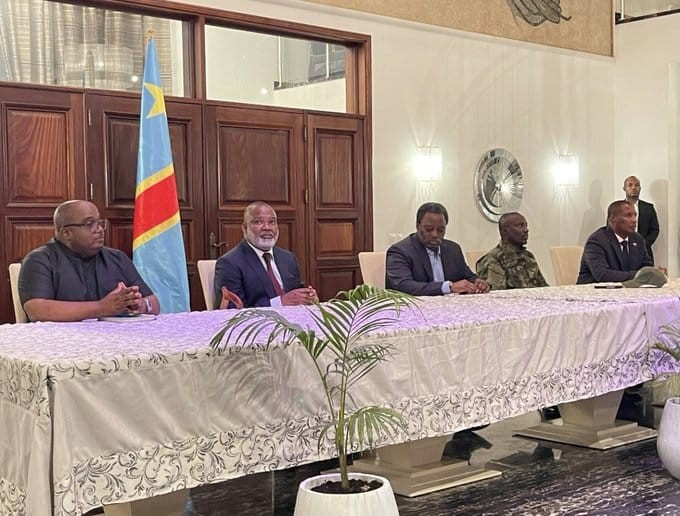
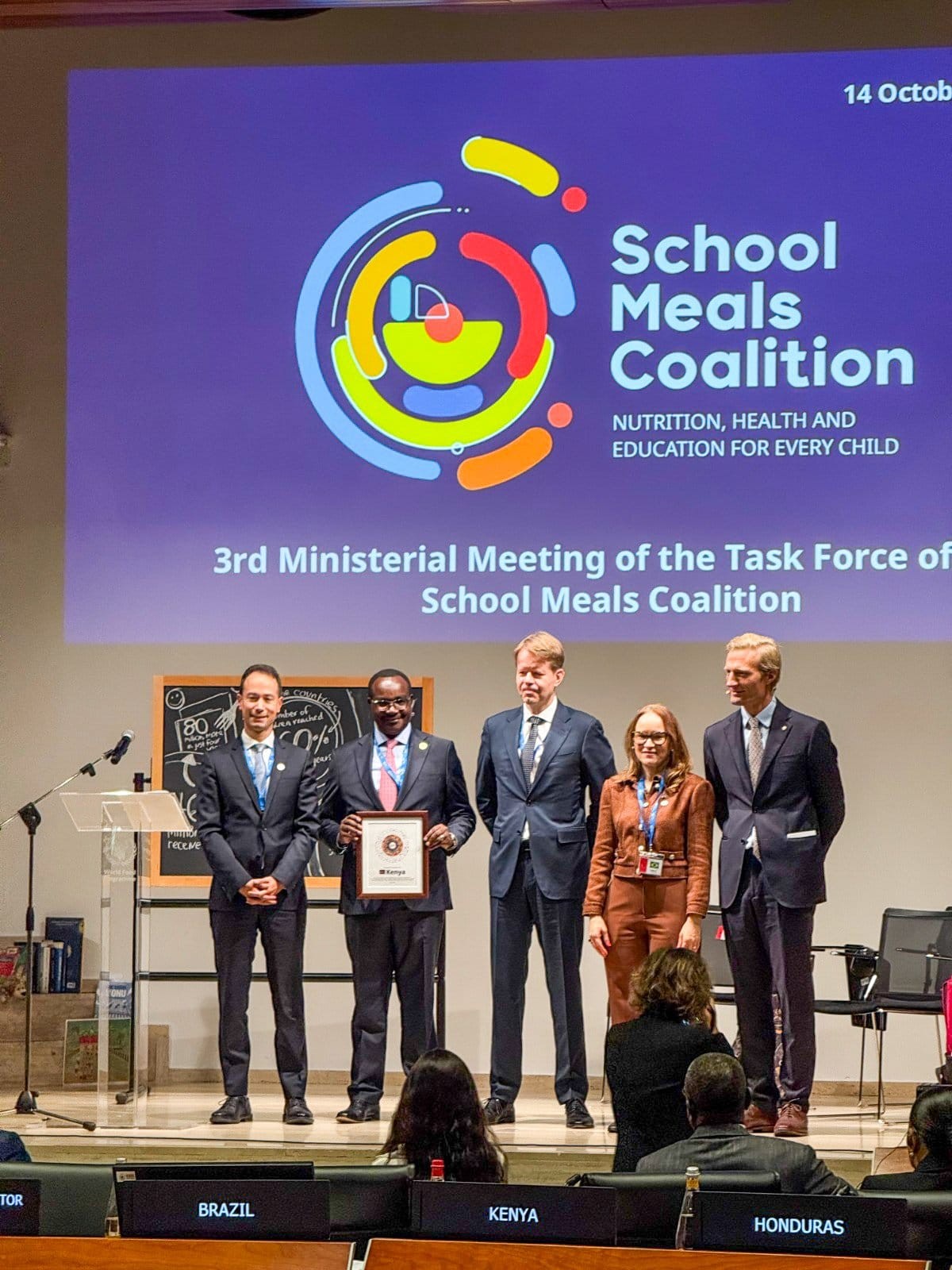
The announcement was made on Wednesday, October 14, 2026, during the Third Ministerial Meeting of the School Meals Coalition Task Force held at the World Food Programme (WFP) headquarters in Rome, Italy, where Education Cabinet Secretary Julius Migos Ogamba officially represented Kenya.
Kenya’s appointment recognises the country’s commitment to advancing school feeding programmes as a means of improving children’s well-being, supporting education and strengthening sustainable food systems.
In his address during the opening session, Ogamba said Kenya was honoured to assume the leadership role, describing it as a continuation of the country’s contribution to the global school meals movement.
He noted that Kenya had previously hosted the coalition’s Second Ministerial Meeting in Nairobi in 2024, convened by President William Ruto to review progress and identify ways of accelerating collective action on school meals.
According to Ogamba, the Nairobi meeting established key priorities that have guided the coalition’s work over the past two years. These include sustaining political commitment, expanding access to predictable and sustainable financing, improving the quality and reach of national school feeding programmes, empowering cities and municipalities, strengthening evidence-based monitoring and increasing advocacy.
The Cabinet Secretary said the global movement supporting school meals had continued to gain momentum, with more governments investing in national programmes and development partners increasing their support. He described school meals as a strategic public investment with benefits extending beyond education to health, nutrition and social protection.
Ogamba cited studies indicating that every dollar invested in feeding a child could generate up to nine dollars in social and economic returns, underscoring the wider benefits of school feeding initiatives.
However, he warned that significant challenges remained, particularly in reaching children who were still excluded from school meals programmes and addressing financing and implementation gaps faced by many countries.
In Kenya, the government is exploring innovative financing mechanisms to strengthen the sustainability of its School Meals Programme. Ogamba said the country was rolling out a clean cooking programme to explore the potential of carbon financing to support school feeding initiatives.
Kenya is also working with the World Food Programme on a proposed debt-for-food conversion initiative intended to increase investment in school meals in the coming years. The arrangement would seek to redirect savings from debt servicing towards long-term investments in food security and resilience.
As a co-chair, Kenya has pledged to work alongside Brazil, Finland and France, as well as other coalition members and partners, to promote national ownership of school meals programmes, strengthen sustainable financing and encourage greater international cooperation.
Ogamba also emphasised the importance of ensuring that Africa’s experiences and leadership remain central to the coalition’s work.
The coalition’s broader ambition is to ensure that every child can access a healthy and nutritious meal at school while helping countries develop strong, sustainable national school feeding programmes.