Kenya’s annual inflation rate rose to 7.3 percent in October 2026 from 6.8 percent in September, its highest level since July 2023, as higher fuel, food and transport costs squeezed households, the Kenya National Bureau of Statistics (KNBS) said in its Consumer Price Index report released on Friday, October 30.
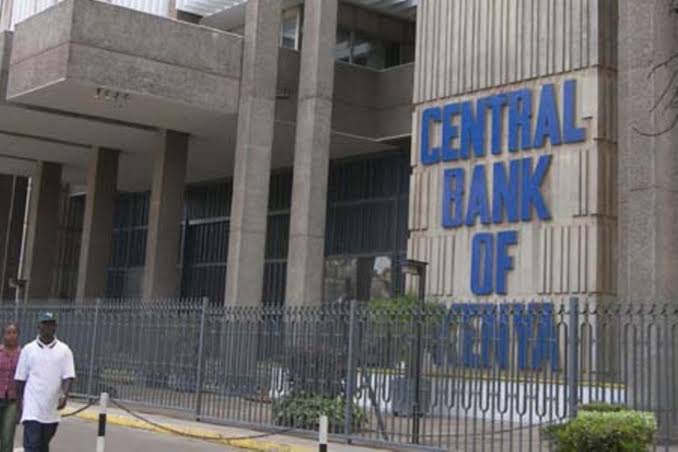
The latest reading is just 0.2 percentage points below the upper limit of the Central Bank of Kenya’s (CBK) 2.5 to 7.5 percent target range. It compares with 4.6 percent in October 2025, a rise of 2.7 percentage points over the year.
Core inflation, which strips out volatile items and accounts for 81.1 percent of the consumer price basket, rose to 4.3 percent from 4.0 percent. Non-core inflation, which captures more volatile items such as fresh produce and energy, rose to 15.1 percent from 14.0 percent. Transport had the highest annual increase of any category at 17.1 percent, followed by food and non-alcoholic beverages at 10.2 percent and housing, water, electricity, gas and other fuels at 3.7 percent.
Fuel has led the rise. Over the 12 months, kerosene prices jumped 41.6 percent, diesel rose 32.5 percent and petrol rose 22.8 percent, while the price of a 13-kilogramme cooking gas cylinder increased 9.5 percent. Between September and October, petrol rose 6.0 percent to Sh227.85 a litre and diesel 4.4 percent to Sh228.77.
The Energy and Petroleum Regulatory Authority raised pump prices in mid-October by Sh12.93 for petrol, Sh9.90 for diesel and Sh28.49 for kerosene, and the state reportedly ended its fuel subsidy for the first time since August 2025.
The fuel price rises are being passed on to commuters. City bus and matatu fares were up 18.2 percent year on year, and the KNBS reported that the matatu fare from Westlands to Kangemi in Nairobi rose from Sh40 to Sh50.
Food costs are also climbing. Irish potatoes were up 34.9 percent, cabbages 29.1 percent, fresh packaged milk 14.4 percent, beef with bone 12.5 percent, white wheat flour 9.1 percent and cooking oil 5.1 percent. A kilogramme of cabbage cost Sh82.38 in October, up from Sh79.16 in September.
There was some relief, as sugar prices fell 11.1 percent and electricity costs for 50 and 200 kilowatt-hour users fell 4.5 percent and 4.1 percent.
The CBK held its benchmark rate at 8.75 percent on October 7, its fourth hold in a row, and warned that food, fuel and transport costs could keep inflation elevated through November.