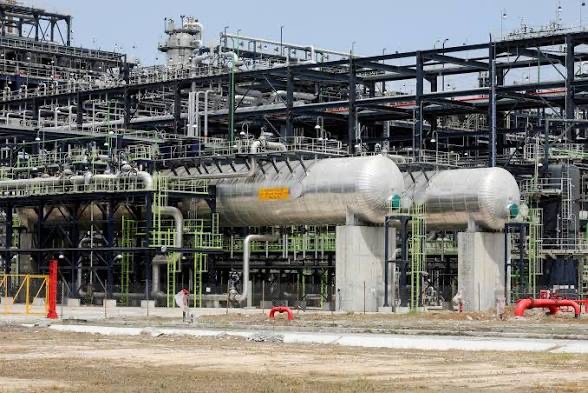
Kenya is considering purchasing 500 megawatts (MW) of electricity from a proposed refinery by Nigerian billionaire Aliko Dangote in Lamu, as the country explores temporary solutions to address a looming power shortage.
Kenya Electricity Generating Company (KenGen) states that the proposed arrangement would provide additional electricity supply while the country works to meet rising demand. The refinery plans to generate power using petroleum coke, a carbon-rich by-product produced during oil refining.
The proposed purchase would offer a potential additional source of electricity for Kenya’s national grid at a time when reliable power supply is crucial for households, manufacturers, and other businesses.
Petroleum coke, commonly known as petcoke, is a solid fuel produced during petroleum refining. Its use in power generation could supply electricity for the proposed industrial facility, although the environmental implications of burning the fuel require careful consideration.
KenGen has described the potential arrangement as a temporary measure to address the looming power shortage. However, details on the proposed purchase agreement, including its duration, pricing, delivery arrangements, and implementation timeline, remain unspecified in the available information.
The proposal also raises questions about how the additional electricity would be integrated into Kenya’s power supply system and whether the arrangement would be commercially competitive with other available electricity sources.
Kenya relies on a mix of electricity sources, including geothermal, hydroelectric, wind, and solar power, alongside other generation options. Any additional supply must be assessed against national demand, grid requirements, and the cost of delivering electricity to consumers.
The use of petroleum coke could attract scrutiny due to its combustion producing carbon dioxide and other emissions. The environmental impact will depend on the technology used, pollution-control measures, and the scale of power generation.
For Kenya, the immediate consideration is whether the proposed 500MW purchase can help bridge a potential supply gap without incurring excessive costs or undermining longer-term energy priorities.
The proposal remains under consideration, and further details on the refinery, the proposed electricity deal, and its expected contribution to the national grid will be vital in determining whether the arrangement proceeds.