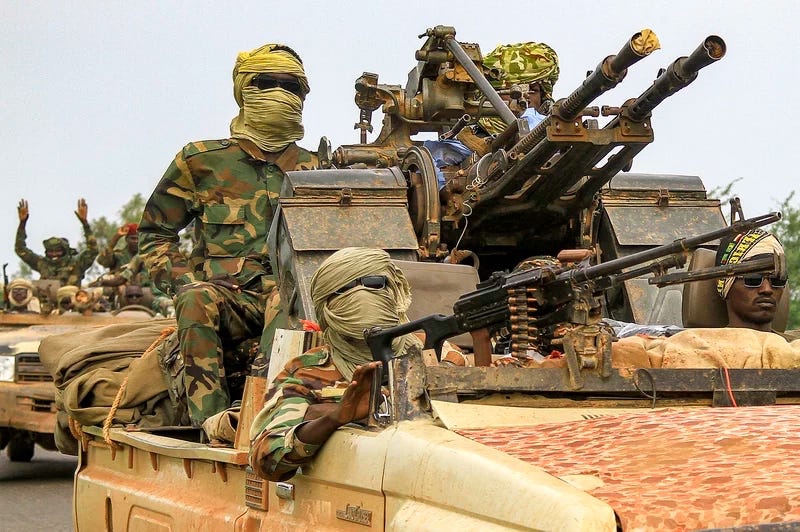
In a significant development, Houthi forces have captured a strategic stretch of Yemen's coastline, potentially altering the dynamics of the ongoing conflict involving Iran. This military success, achieved by the rebels, marks their most remarkable advance in recent years, raising concerns over the implications for regional stability. The coastline, which is crucial for both military and economic reasons, provides the Houthis with enhanced access to maritime routes that are vital for trade and supply lines.
The Houthi's control over this critical area not only strengthens their position but also introduces a new dimension to the Iran conflict. The capture of Yemen's coastline could facilitate increased support and supplies from Iran, further complicating the geopolitical landscape in the Middle East. Analysts have noted that the Houthis may now have an easier route for receiving arms and resources, which could embolden them in their ongoing struggle against the internationally recognized Yemeni government and its allies.
This development has drawn international attention, as it may lead to heightened tensions and a possible escalation of hostilities in the region. The capture has raised alarms among neighboring countries, particularly Saudi Arabia, which has been engaged in a military campaign against the Houthis since 2015. Analysts suggest that the Houthi's strategic gain could embolden them and their allies, potentially prompting a response from opposing forces. The situation is precarious, as any military response could lead to further escalation and civilian casualties, exacerbating an already dire humanitarian situation in Yemen.
As the situation unfolds, regional powers and international stakeholders are closely monitoring the implications of this advance. The United Nations has expressed concern over the potential for increased violence and has called for renewed diplomatic efforts to address the conflict. The coming weeks could see increased diplomatic efforts to address the evolving conflict and prevent further destabilization in the area. With various factions involved and the potential for external powers to intervene, the stakes are high, and the international community remains vigilant in its response to this significant shift in the conflict dynamics.