The High Court has affirmed the right of refugees living in Kenya to seek formal employment, ruling that they should be allowed to access work permits without facing discriminatory administrative barriers.
In a landmark decision delivered in Constitutional Petition No. E554 of 2025, the court declared that policies and administrative practices that prevent refugees from obtaining work permits through the lawful Class M framework are unconstitutional.
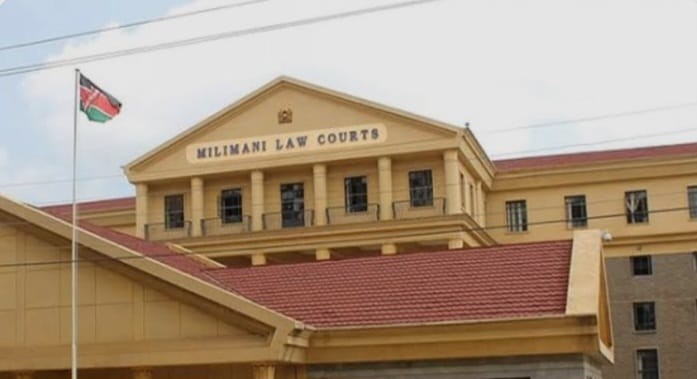
The ruling was delivered by Milimani High Court Judge Roselyne Aburili, who found that the barriers imposed on refugees seeking employment amount to indirect discrimination and violate their constitutional right to human dignity.
The court's decision is expected to open up opportunities for refugees to participate in Kenya's formal labour market and earn a living through lawful employment.
Following the ruling, the Department of Immigration Services has been directed to review its policies, procedures and administrative practices governing applications for Class M work permits by refugees.
The reforms are intended to create a fair, transparent and accessible process that allows refugees to apply for work permits without being subjected to unnecessary administrative hurdles.
The court's intervention addresses challenges that have made it difficult for refugees to secure formal employment despite the existence of a legal framework allowing them to work in the country.
The decision also reinforces the principle that refugees should have an opportunity to build sustainable livelihoods and contribute to the economy rather than remain excluded from formal economic activities.
The Kenya National Commission on Human Rights (KNCHR), which represented the petitioners alongside Kituo Cha Sheria, welcomed the ruling, describing it as a major step towards advancing equality, refugee rights and economic inclusion.
The commission also commended the refugee petitioners for taking the matter to court and challenging practices they considered discriminatory.
The petitioners argued that administrative obstacles in accessing Class M work permits had limited their ability to secure employment and support themselves through lawful means.
The ruling highlights the importance of ensuring that refugee protection extends beyond providing safety and shelter to include access to opportunities that allow individuals to live independently and with dignity.
It further places responsibility on immigration authorities to ensure that the process of issuing work permits is conducted fairly and in line with constitutional protections.
The judgment marks a significant development in Kenya's approach to refugee rights, particularly regarding access to employment and participation in the country's economic activities.
With the immigration department now required to review its procedures, attention will turn to how the reforms are implemented and whether they will make it easier for refugees to access formal employment opportunities.