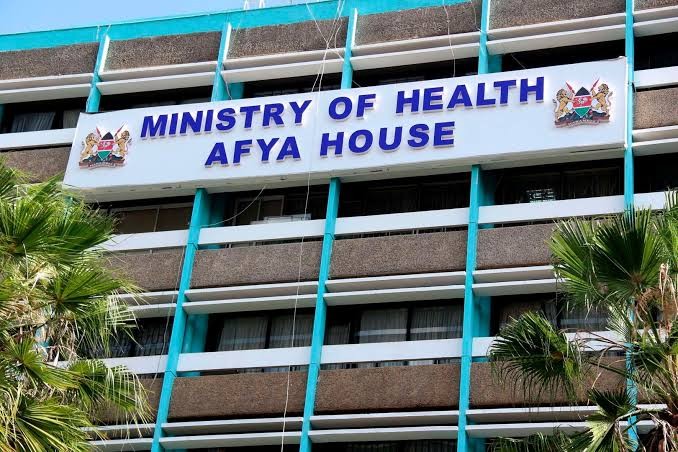
With the El Niño rains anticipated to begin towards the end of September 2023, the Ministry of Health in Kenya is intensifying its efforts to prepare for the potential health risks associated with the expected heavy rainfall. The ministry is focusing on enhancing disease surveillance and implementing preparedness measures, especially in flood-prone regions, as the country braces for the adverse effects of the weather phenomenon. The concern is particularly high regarding waterborne diseases, which pose a significant threat when flooding occurs, contaminating water sources and disrupting access to clean drinking water. Such conditions create a fertile ground for disease outbreaks, making it imperative for the government to adopt proactive measures.
Principal Secretary for Public Health and Professional Standards, Mary Muthoni, has emphasized the government's commitment to safeguarding public health during this period. Speaking in Kirinyaga County, she highlighted that emergency measures have been put in place to bolster disease surveillance and response capabilities. County governments have been instructed to identify high-risk areas, strategically position medical supplies, and ensure that health facilities are adequately prepared to handle potential increases in patient numbers.
El Niño events are known to bring above-average rainfall to East Africa, and historical data underscores the potential severity of their impact. The 1997–98 El Niño, for instance, resulted in widespread flooding, landslides, and outbreaks of diseases such as cholera, malaria, and Rift Valley Fever in Kenya. Current forecasts by global meteorological agencies suggest that the upcoming El Niño could be among the strongest in recent years, heightening the urgency for preparedness.
Flooding can have multifaceted health impacts, including the risk of drowning and injuries during the events themselves. Additionally, the contamination of wells and boreholes, displacement of populations into crowded shelters, and the interruption of access to clinics and drug supplies further exacerbate the situation. These conditions facilitate the rapid spread of communicable diseases.
In response, the Ministry of Health has issued guidance to counties, emphasizing cholera preparedness, the distribution of water-treatment chemicals, and the importance of public health messaging on safe water and food handling. Coordination between health and disaster-management teams is also being prioritized. Residents in flood-prone areas are advised to take precautionary measures such as boiling or treating drinking water, avoiding wading through floodwaters, and seeking medical attention promptly for symptoms like diarrhoea, which can quickly become life-threatening, particularly in young children.