
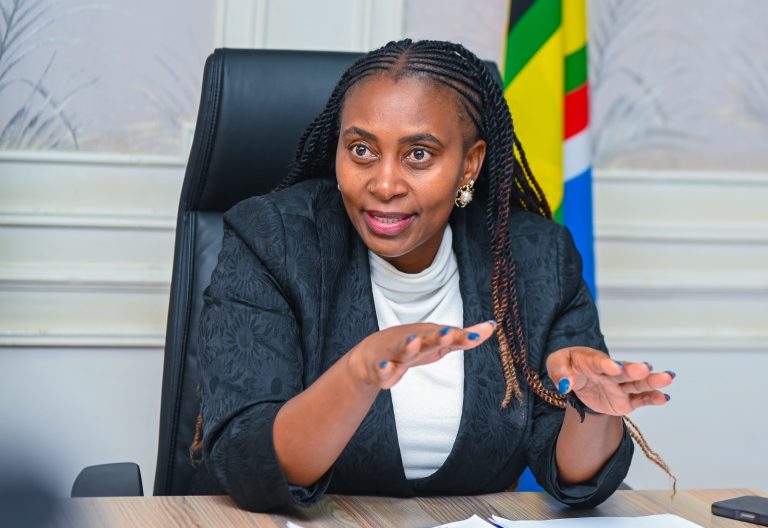
The Ministry of Health’s State Department for Public Health has intensified public awareness on health risks associated with the projected El Niño rains, with several counties in Kenya set to come under heightened disease surveillance. This proactive measure aims to mitigate potential health threats as the rainy season approaches.
Speaking in Karumandi, Kirinyaga County, on Saturday, Public Health and Professional Standards Principal Secretary Mary Muthoni announced that the Ministry had activated its contingency plan and is collaborating closely with county governments to strengthen preparedness for the expected heavy rains. This initiative is crucial for safeguarding public health during this period.
Muthoni made these remarks after visiting elderly residents in the area, where she distributed mosquito nets and blankets to help them prepare for the rainy season. Her visit underscores the Ministry's commitment to supporting vulnerable populations as they face the challenges posed by the El Niño rains.
The Principal Secretary emphasized the importance of prioritizing information sharing with county governments to ensure a coordinated response to potential public health threats arising from the rains. This collaborative approach is essential for effective disease surveillance and response.
Counties with densely populated settlements, including Nairobi, Mombasa, and Kisumu, are among those being closely monitored for possible disease outbreaks. The Ministry's focus on these urban areas highlights the increased risk of health issues due to population density during the rainy season.
Muthoni also noted that her department had activated Community Health Promoters (CHPs), who are being trained every Monday evening on key health messages and preparedness measures ahead of the El Niño rains. This training is vital for equipping community health workers with the knowledge needed to educate residents.
Residents have been urged to clear bushes around their homes, unclog drainage systems, and maintain high standards of hygiene to minimize the risk of disease outbreaks during the rainy season. These preventive measures are critical for community health and safety.
Additionally, essential kits for CHPs are being replenished to ensure they have the necessary supplies to serve residents in their respective communities. This logistical support is crucial for the effective functioning of health promoters.
Kenyans are also advised to exercise caution regarding the water they use for drinking and cooking, with residents encouraged to ensure their water is safe to prevent waterborne diseases as the rains intensify. This public health advisory is particularly important as the El Niño rains can lead to increased risks of contamination.