Principal Secretary Kello Harsama has appealed for urgent humanitarian assistance for thousands of people displaced by ethnic clashes in southern Ethiopia and seeking refuge in Kenya, calling on leaders to stop inciting violence and promote peaceful coexistence.
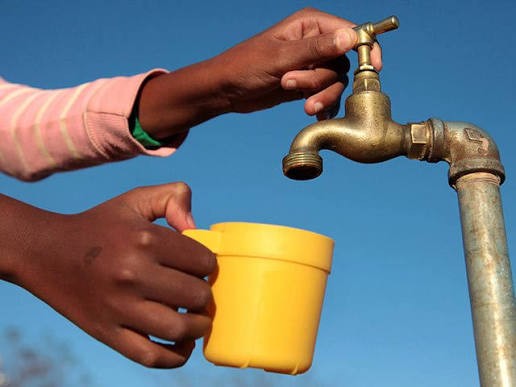
In a statement, Harsama urged well-wishers to provide food, clean water and clothing to affected families as the conflict continues to drive people across the Kenya-Ethiopia border.
“My attention is drawn to a case of ethnic conflict in Southern Ethiopia which is spilling to Kenya and causing a humanitarian crisis,” Harsama said.
He also cautioned politicians against making statements that could fuel further violence, urging leaders in northern Kenya and southern Ethiopia to encourage peace and harmony among communities.
“Politicians must stop inciting people to more violence,” he said, adding that Ethiopia had the capacity to resolve the conflict through its federal authorities.
“Let’s leave the matter to federal authorities to resolve amicably,” Harsama added.
His appeal comes amid reports of deadly clashes in Moyale, on the Ethiopian side of the border, involving the Oromo and Somali communities.
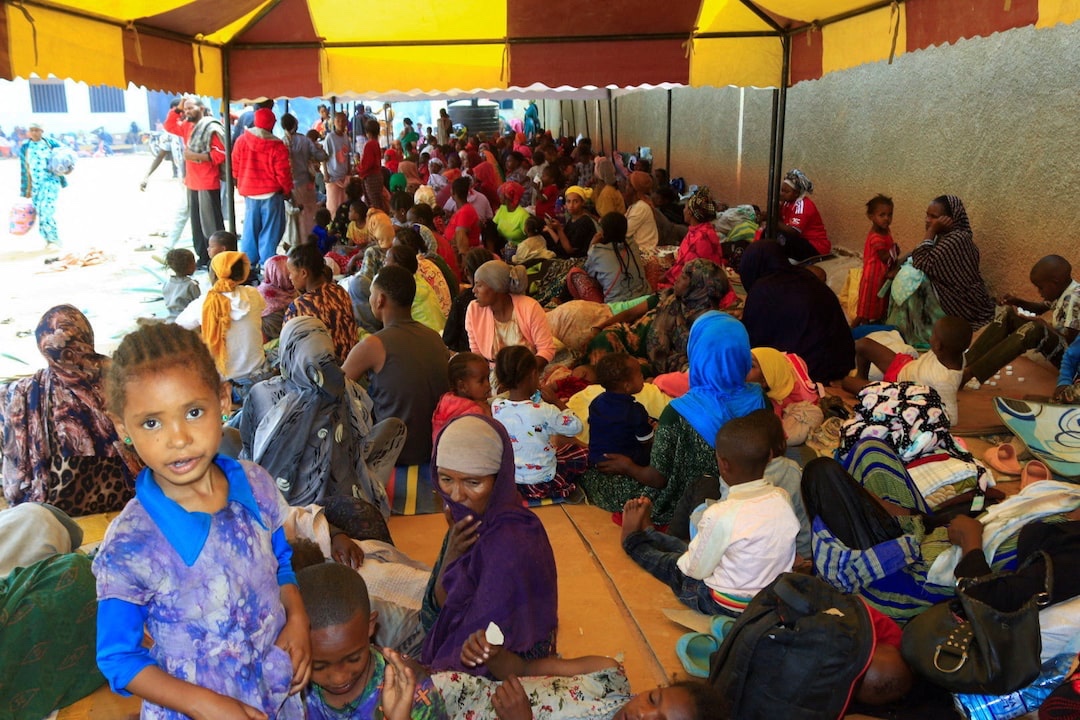
The violence has forced thousands of people to cross into Kenya in search of safety, placing additional pressure on humanitarian resources in Marsabit County.
The number of people displaced by the clashes remains a concern, with thousands reportedly crossing into Kenya in search of safety. Estimates of the influx vary, with figures reported around October 25 putting the number of Ethiopians seeking refuge in Kenya at approximately 35,000.
The fighting has also disrupted businesses and cross-border trade in Moyale, with security concerns affecting movement around the border.
The Kenya Red Cross has been providing emergency assistance to displaced families, including essential supplies and temporary shelter. The organisation has also warned of shortages of food, clean water and sanitation facilities as the humanitarian needs grow.
Women, children and other vulnerable groups are among those affected by the displacement, with some families arriving in Kenya with few belongings.
The developments have heightened concerns about the safety of civilians and the strain on host communities in northern Kenya, where access to essential services and humanitarian supplies remains a key concern.
Harsama’s appeal places emphasis on both immediate relief for displaced families and efforts to prevent the violence from spreading further across the border.
He called on leaders and communities in northern Kenya and southern Ethiopia to promote peaceful coexistence, warning against rhetoric that could deepen ethnic tensions.
The situation remains a concern for authorities and humanitarian organisations as they respond to the needs of those fleeing the violence and seek to maintain security along the Kenya-Ethiopia border.