The government has warned individuals, charitable organisations and content creators against exploiting vulnerable children through the unauthorised publication of their photographs, videos and personal stories for fundraising and publicity.
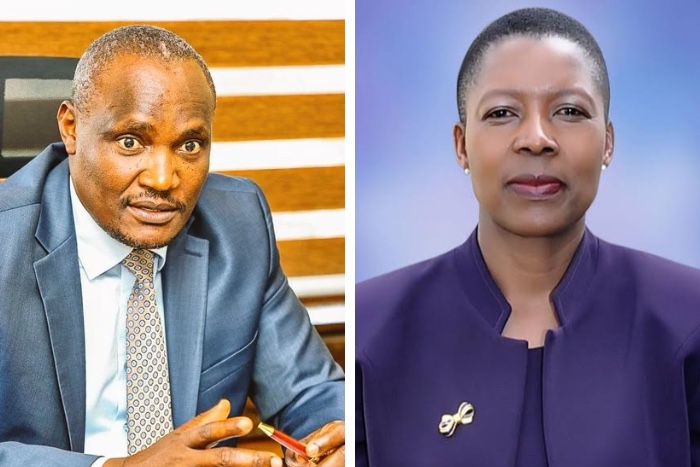
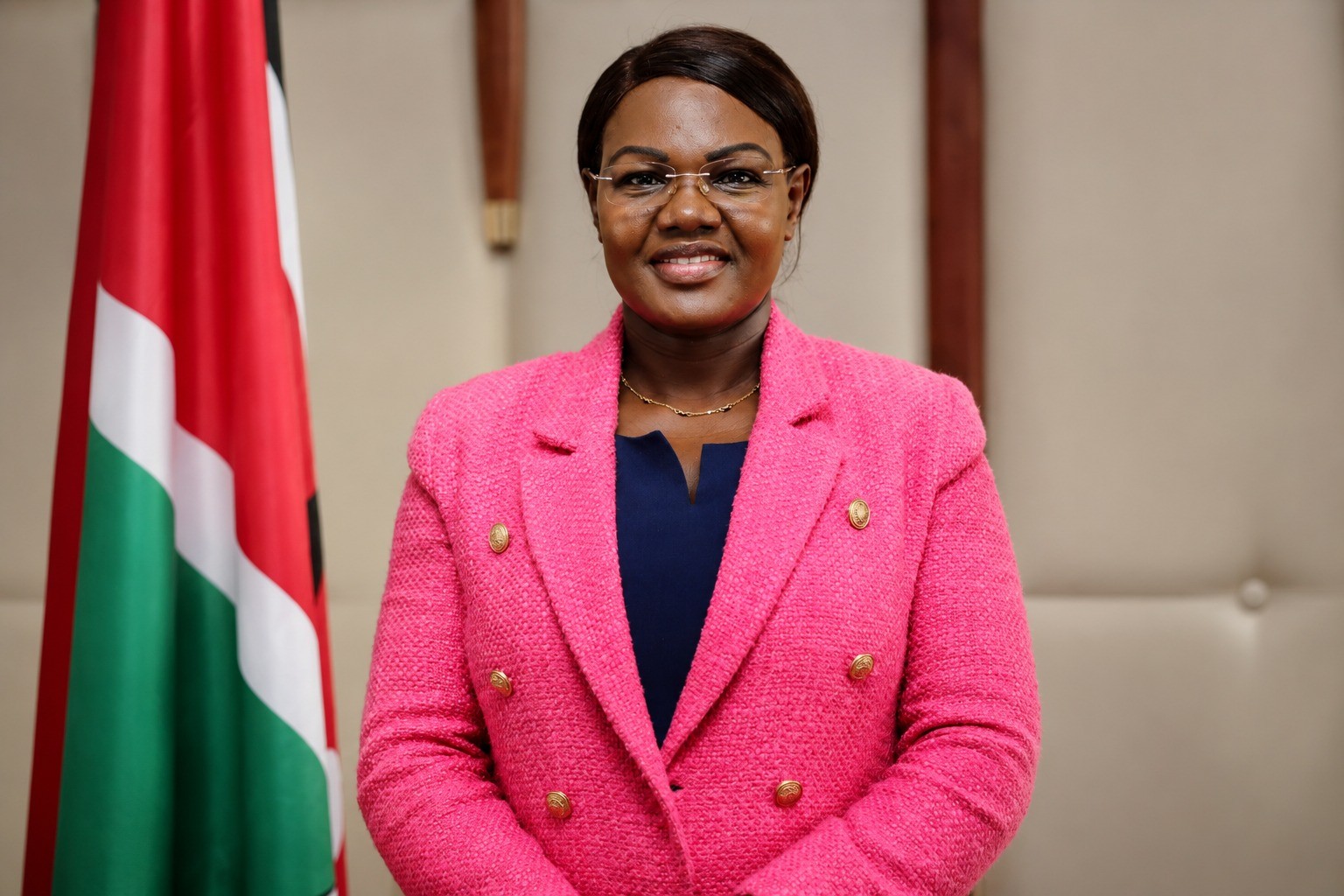
In a press statement issued on Tuesday, November 17, 2026, Principal Secretary for Children Services CPA Caren Ageng’o said the growing use of children's images and personal information on social media platforms raises serious concerns about their privacy, dignity and safety.
Ageng’o acknowledged the important role played by individuals, organisations, development partners and well-wishers in supporting vulnerable children and families but cautioned that humanitarian assistance should never come at the expense of children's rights.
Concerns over children's privacy
She particularly raised concern over the use of distressing images, personal stories and sensitive information to attract public sympathy and solicit financial contributions, warning that such practices could expose children to stigma, discrimination, bullying and exploitation.
The State Department for Children Services has consequently called on individuals, organisations and content creators to immediately stop the unauthorised collection, sharing and publication of children's photographs and personal information, particularly for fundraising and charitable publicity.
The government has reminded stakeholders that children's privacy is protected under the Constitution, the Children Act, 2022, and the Data Protection Act, 2019.
Legal protections for children
Under Section 27 of the Children Act, children are protected against unlawful interference with their privacy, family and private affairs, while Section 220 prohibits the publication of information that could reveal the identities of children in conflict with the law.
Violations of the latter provision attract a fine of up to 500,000 shillings, imprisonment for up to 12 months, or both.
The Data Protection Act also provides safeguards for the collection, processing, storage and sharing of children's personal information, including photographs and videos, requiring parental or guardian consent and adherence to the child's best interests.
However, the department cautioned that parental or guardian consent does not automatically justify publishing a child's photograph or personal information where doing so could compromise their safety, dignity or welfare.
Charitable organisations and individuals have been urged to adopt child safeguarding policies, obtain appropriate consent, avoid humiliating or degrading images and use privacy-protecting measures such as blurred faces and anonymised stories whenever publicity is necessary and lawful.
Call for child safeguarding policies
The State Department further called for stronger collaboration with the Office of the Data Protection Commissioner, the National Council for Children's Services, law enforcement agencies and civil society organisations to address violations of children's rights.
Members of the public have also been encouraged to report cases involving children in need of care and protection to the nearest Sub-County Children's Office or through Child Helpline 116.
Ageng’o reiterated that assistance to vulnerable children must be provided without exposing their private circumstances to unnecessary public scrutiny, insisting that protecting children goes beyond meeting their immediate needs to safeguarding their dignity, privacy and future well-being.