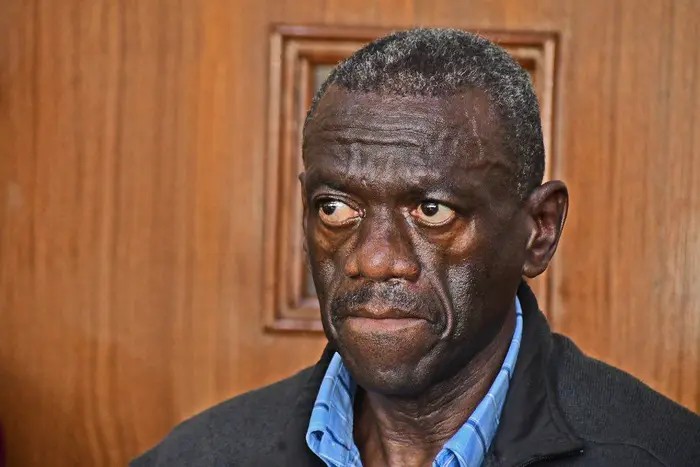
Former Deputy President Rigathi Gachagua has accused President William Ruto of planning to increase petrol prices by KSh12 per litre and diesel by KSh9, alleging the proposed adjustments are intended to raise money for political bribery ahead of the August 2027 General Election.
In a statement posted on X on Wednesday, October 14, the Democracy for the Citizens Party (DCP) leader, Rigathi Gachagua, claimed Ruto had ordered the increases the previous evening and accused the government of preparing to justify them using rising international oil prices.
“Desperate to raise more cash, last evening, he ruthlessly ordered an increase in the price of diesel by Kshs. 9 and petrol by Kshs. 12, for political bribery through Gulf Energy,” Gachagua stated.
Allegations of political bribery
He further claimed that Energy and Petroleum Cabinet Secretary Opiyo Wandayi had been instructed to hold a press conference to explain the proposed increase, dismissing the anticipated justification as dishonest.
Gachagua did not provide evidence to substantiate his allegation that the proposed adjustments were intended to finance political bribery or that Gulf Energy would be involved in such a scheme.
The claims emerged as Kenya awaited the next fuel price review by the Energy and Petroleum Regulatory Authority (EPRA), with the previous pricing cycle scheduled to end on October 14.
Under the previous review, which covered September 15 to October 14, the maximum retail price of petrol in Nairobi stood at KSh214.03 per litre, while diesel retailed at KSh217.86 and kerosene at KSh191.38.
If the increases cited by Gachagua were applied to those previous Nairobi prices, petrol would cost KSh226.03 per litre and diesel KSh226.86. However, these are calculated figures based on his allegations, not confirmed pump prices.
The government had already reported pressure on fuel prices from rising international import costs before Gachagua issued his statement.
On Tuesday, October 13, Wandayi said the landed cost of imported super petrol had risen from approximately $1,199 per tonne in August to $1,385 in September. Diesel import costs also increased from approximately $1,200 to $1,313 per tonne over the same period.
The Cabinet Secretary attributed the increases to disruptions affecting international oil shipments and higher freight and insurance costs amid conflict in the Middle East.
Wandayi also said the government was seeking a further 90-day extension of the reduced eight per cent value-added tax (VAT) on petroleum products from October 15 to cushion consumers against rising international costs.
Government response to fuel prices
His remarks provided an explanation for the pressure facing fuel prices, although they did not confirm the specific KSh12 petrol and KSh9 diesel increases alleged by Gachagua.
The former Deputy President also accused Ruto of facing growing public rejection over the cost of living, alleged abductions, extrajudicial killings, corruption and economic mismanagement.
He claimed the President was increasingly relying on cash handouts to win public support, including during engagements in the Rift Valley, which Gachagua described as Ruto's political backyard.
The accusations came amid wider criticism of the President's leadership ahead of the 2027 election.
Criticism of Ruto's leadership
In an editorial published on Wednesday, October 14, The Standard questioned Ruto's priorities, arguing that his public confrontations with former President Uhuru Kenyatta and Nairobi Senator Edwin Sifuna risked distracting from economic hardship, university disruptions and mounting public debt.
The editorial, titled Misplaced Anger, questioned whether the President was addressing the country's challenges or focusing on political rivals.
Gachagua concluded his statement by saying the political reality ahead of the August 10, 2027, General Election was beginning to set in for Ruto.
The alleged fuel-price increases and the claim that they would finance political bribery remained unverified. EPRA's official price announcement is necessary to establish the actual pump prices for the next pricing cycle.