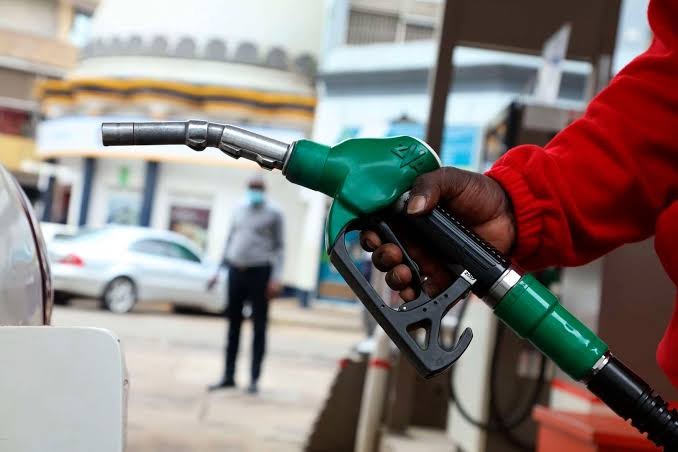
Motorists and households across Kenya will continue paying the same prices for Super Petrol, Diesel and Kerosene for the next 30 days after the Energy and Petroleum Regulatory Authority (EPRA) retained pump prices in its latest monthly review.
In its announcement covering the period between November 15 and December 14, 2026, EPRA said the maximum retail prices of the three petroleum products would remain unchanged despite an increase in the average landed cost of imported refined petroleum products.
In Nairobi, Super Petrol will continue retailing at 226 shillings and 96 cents per litre, while Diesel will remain at 227 shillings and 76 cents. Kerosene will also retain its price of 219 shillings and 87 cents per litre.
Current fuel prices in Kenya
The decision means motorists and consumers will not face an additional fuel cost during the latest pricing cycle, offering temporary relief to households and businesses that rely on petroleum products for transport, production and other daily operations.
According to EPRA, the average landed cost of imported Super Petrol increased by 6.11 per cent, from 977.55 US dollars per cubic metre in September to 1,037.30 dollars in October 2026.
Diesel recorded a higher increase of 6.73 per cent, rising from 1,065.38 dollars to 1,137.09 dollars per cubic metre over the same period.
Kerosene registered a relatively smaller increase of 0.71 per cent, with its landed cost rising from 1,098.31 dollars to 1,106.11 dollars per cubic metre.
Despite the increases, the regulator said the Government had applied 4.6 billion shillings from the Petroleum Development Levy Fund to stabilise pump prices during the November-December pricing cycle.
Government intervention details
EPRA noted that the intervention cushioned consumers from the impact of the higher import costs, which would otherwise have translated into increases of 8 shillings and 58 cents per litre for Super Petrol, 10 shillings and 54 cents for Diesel and 1 shilling and 16 cents for Kerosene.
The authority also highlighted fluctuations in international petroleum prices, noting that Kenya imports all its petroleum product requirements in refined form and trades in international markets using a pricing benchmark.
Impact of international prices
The cost of imported petroleum products is denominated in US dollars, with the prevailing exchange rate factored into the computation of local pump prices.
EPRA's latest figures show that the average exchange rate moved from 129.91 shillings against the US dollar in September to 130.17 shillings in October 2026.
The regulator said the monthly price review is conducted under Section 101(y) of the Petroleum Act, 2019, and Legal Notice No. 192 of 2022.
The petroleum pricing regulations are intended to cap retail prices while allowing importation and other prudently incurred costs to be recovered, ensuring reasonable prices for consumers.
The latest announcement comes amid continued sensitivity to fuel costs, with changes in petroleum prices having a direct impact on transport fares, the cost of goods and services, and household expenditure.