
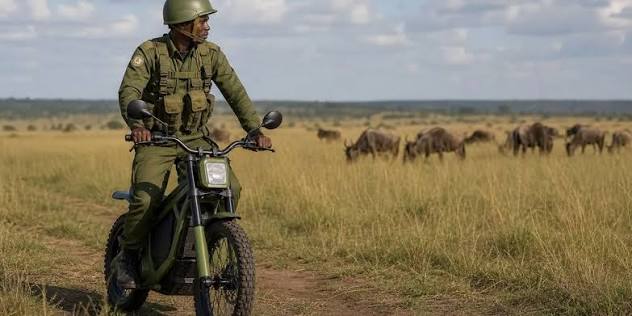
In the heart of Kenya's Maasai Mara, electric motorcycles are revolutionizing wildlife patrols, marking a significant step in Africa's energy transition. Rangers, like Joshua Kijape, navigate the reserve's tall grass on these solar-charged bikes, allowing them to move silently and efficiently through the bush. This shift to electric mobility not only aids in the conservation efforts but also aligns with global environmental goals.
The introduction of these motorcycles in the Maasai Mara game reserve represents a pivotal change in how wildlife areas are monitored. Traditional petrol-powered motorcycles often disturb the natural habitat with their noise and emissions. In contrast, the electric bikes provide a quieter and more eco-friendly alternative, enhancing the rangers' ability to track and protect wildlife without disrupting the environment.
This innovation is part of a broader movement towards sustainable practices in Kenya, highlighting the potential for renewable energy solutions in conservation efforts. The use of solar power to charge these motorcycles underscores the importance of integrating clean energy into daily operations, reducing reliance on fossil fuels.
The impact of this transition is profound, offering a glimpse into the future of conservation in Kenya and beyond. As the Maasai Mara continues to embrace these advancements, it sets a precedent for other reserves across Africa to follow suit. The success of electric motorcycles in this context could inspire further adoption of renewable technologies in wildlife management.
Looking ahead, the continued deployment of electric motorcycles in the Maasai Mara is expected to enhance the effectiveness of wildlife patrols. This initiative not only supports Kenya's commitment to environmental sustainability but also strengthens its position as a leader in innovative conservation strategies.