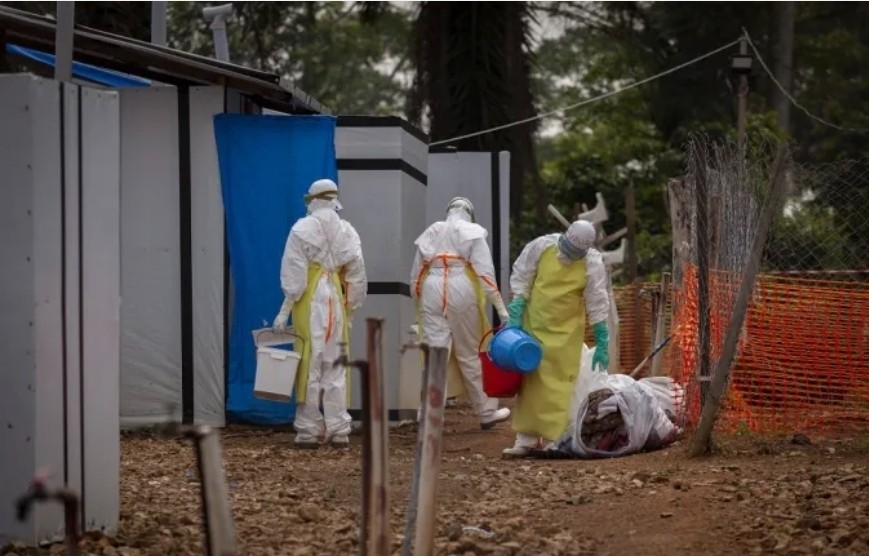
Nearly 1,800 children have died from Ebola in the Democratic Republic of Congo (DRC) as the outbreak enters its sixth month, with health authorities and humanitarian agencies warning of an increasingly devastating impact on children.
According to figures released by UNICEF, 2,959 children under the age of 18 had been confirmed to have contracted the virus as of November 4, with 1,737 fatalities recorded.
Children account for 28 per cent of all confirmed infections but represent 35 per cent of reported deaths, highlighting their heightened vulnerability to the disease.
Impact of Ebola on children
The youngest children face the greatest risk, with those under five accounting for 14 per cent of infections but 21 per cent of fatalities. Nearly 72 per cent of children in this age group who contract Ebola have died.
UNICEF says access to specialised treatment remains a major challenge, with approximately 80 per cent of child deaths occurring outside Ebola Treatment Centres.
Even among children who reach treatment facilities, survival remains uncertain, with one in three children under five dying within 24 hours of admission, often after arriving too late to receive effective care.
The outbreak has also disproportionately affected women and girls, who account for more than 53 per cent of confirmed cases. Among adolescents aged 10 to 17, girls aged 15 to 17 represent two-thirds of infections and three-fifths of deaths, partly due to caregiving responsibilities and exposure during burial preparations.
Beyond the immediate health crisis, more than 2,280 children have been orphaned or separated from their families, leaving protection agencies struggling to provide care, family tracing and reunification services.
Broader effects on society
The disruption has extended to education and essential healthcare, with nearly 7,500 schools serving approximately 2.5 million learners yet to receive infection prevention measures.
UNICEF says it has supported more than 355,000 children to access safe learning opportunities, while nearly 21,000 have received individual mental health and psychosocial support.
The outbreak has affected 67 health zones across eight provinces, with active transmission continuing in 51 zones.
It is described as the largest and deadliest Ebola outbreak ever recorded in the DRC and the second-largest and second-deadliest globally.
Current response challenges
Meanwhile, insecurity, displacement and attacks on health facilities continue to hamper response efforts.
The crisis is unfolding against a broader humanitarian emergency, with 14.9 million people, including eight million children, requiring humanitarian assistance in the DRC in 2026.
UNICEF is calling for increased international funding, improved paediatric treatment, stronger child protection services and sustained support for healthcare workers and frontline responders.
The agency says containing the outbreak must go hand in hand with protecting children's access to healthcare, education, nutrition and safe family environments.