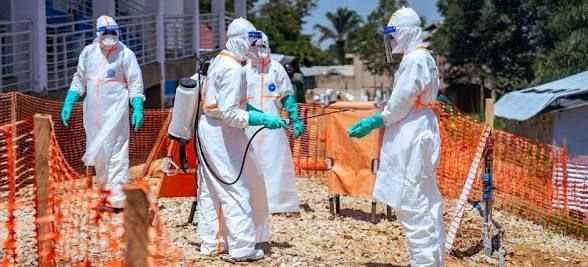
The Democratic Republic of Congo is grappling with a severe Ebola outbreak, as the number of confirmed cases has surged to 7,022. Since the outbreak began in May, a total of 3,398 people have succumbed to the virus, according to government figures released on Saturday. Despite the grim statistics, there is a glimmer of hope as 1,671 individuals have recovered, and health authorities are intensifying efforts to contain the disease.
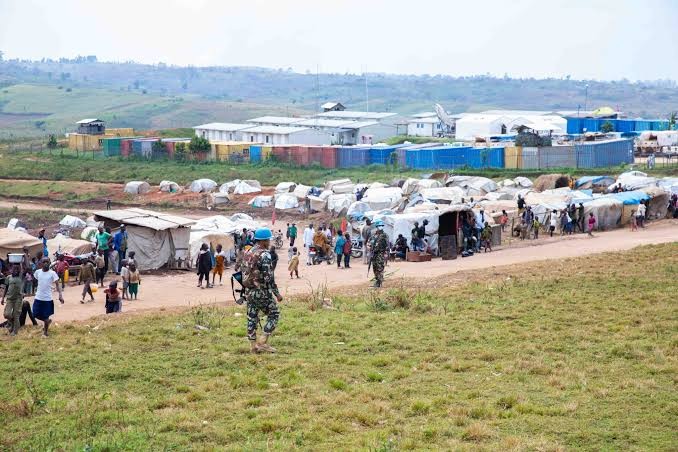
The outbreak originated in Ituri province, located in the northeastern part of the country, and has since spread to seven provinces, highlighting the challenges faced by health officials in curbing its spread. Among the affected regions is South-Ubangi, which shares borders with the Central African Republic and the Republic of Congo, raising concerns about cross-border transmission.
Authorities have noted signs that the outbreak may be slowing down. Government spokesman Patrick Muyaya reported that the outbreak reached its peak in the third week of August, with a subsequent decline in new infections. Encouragingly, ten of the 61 affected health zones have gone at least 21 days without recording a new case, which is a positive indicator in the fight against the virus.
Ituri province remains the epicenter of the outbreak, with schools in the provincial capital, Bunia, reporting cases. This has heightened anxiety among parents and health officials, prompting schools to implement preventive measures. These measures include mandatory handwashing stations and the reduction of class sizes to minimize the risk of transmission among students and staff.
The current outbreak is attributed to the Bundibugyo strain of the Ebola virus. This particular strain poses a significant challenge as there is currently no approved vaccine or treatment available. However, several vaccines and treatments are undergoing trials, offering a potential path to mitigating the impact of the virus.
Health authorities are maintaining vigilant monitoring of the affected areas, working tirelessly to bring the outbreak under control. The situation underscores the need for continued international support and collaboration to address the public health crisis effectively. As the DR Congo battles this outbreak, the global health community remains on high alert, recognizing the potential for regional and international implications if the virus is not contained.