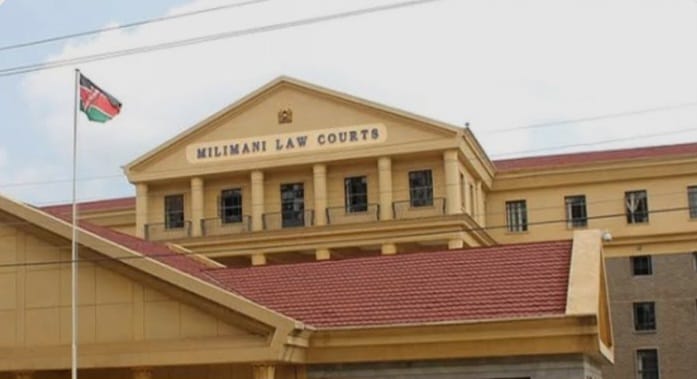
The High Court has upheld the Independent Electoral and Boundaries Commission's (IEBC) role in tallying presidential election results nationally, dismissing a petition by Busia Senator Okiya Omtatah challenging the process.
The court also ruled that results verified and declared at polling stations will prevail in cases where they differ from electronically transmitted results.
Omtatah had argued that the Constitution gives constituency returning officers the final responsibility for tallying, verifying and declaring presidential results and wanted the court to stop the IEBC from re-tallying or re-verifying results already announced at constituency level.
However, the judges upheld provisions of the Elections Act and the Elections Regulations that allow the commission to aggregate and verify presidential results at the national level.
The court said national tallying is necessary to establish whether a candidate has met the constitutional threshold for election as president.
Under Article 138(4), a presidential candidate must secure more than 50 per cent of all votes cast nationally and at least 25 per cent of the votes in more than half of the counties.
The judges noted that this requirement cannot be confirmed at constituency or county level alone.
The court rejected claims that national tallying amounts to unequal treatment and declined to nullify the challenged election laws.
It also urged Parliament to review election laws ahead of the 2027 General Election, saying electoral rules should be fair and serve the public interest.
Referring to philosopher John Rawls’ “veil of ignorance” concept, the judges said lawmakers should develop election rules without knowing which political side would benefit.