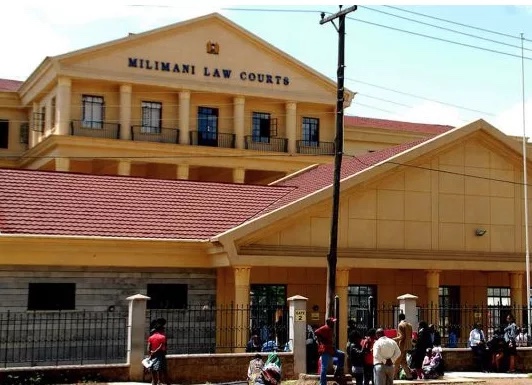
The High Court has issued temporary orders stopping the Judicial Service Commission (JSC) from publishing individual performance records of judges and judicial officers in the forthcoming State of the Judiciary and Administration of Justice Report (SOJAR).
Justice David Mburu issued the conservatory orders restraining the commission from releasing the disputed information, whether as an appendix, addendum or through any other section of the report, which was scheduled for publication on Friday, November 20, 2026.
The orders followed an urgent application filed by Duncan K. Kariuki, who challenged the planned disclosure, arguing that it was being pursued without a clear legal, regulatory or policy framework governing the publication of individual performance information for judicial officers.
Kariuki also questioned the credibility of the information, raising concerns over whether the performance data had undergone independent verification to establish its accuracy and reliability before being made public.
In his application, the petitioner pointed out that a related matter filed on July 14, 2026, was still pending before the court. He argued that allowing the publication to proceed before the determination of the existing case could undermine the ongoing proceedings and render both the application and petition pointless.
He further maintained that the respondents should not proceed with the exercise while the constitutional and legal questions surrounding the proposed disclosure remained unresolved.
Justice Mburu, in granting the interim orders, noted that the application and the pending petition raised significant constitutional and legal issues that required judicial consideration.
The judge observed that publishing the contested information before the dispute was heard could effectively render the pending proceedings academic, prompting the court to intervene through conservatory orders to preserve the subject matter of the case.
The court directed the respondents and interested parties to file and serve their responses within seven days of being served with the application. The parties were also allowed to submit skeleton arguments outlining their respective positions.
The matter is scheduled for mention on December 1, 2026, when the court will issue further directions on its determination.
The dispute comes amid the Judiciary’s broader push to strengthen transparency and accountability through the publication of individual judicial performance records.
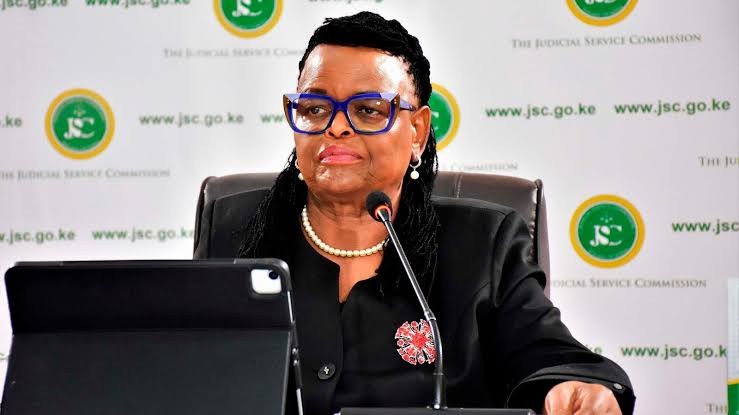
Chief Justice Martha Koome announced on April 29, 2026, that the JSC had resolved to begin publishing individual performance data for judges and judicial officers from July 1, 2026.
The commission said the initiative was intended to strengthen public confidence in the Judiciary by allowing Kenyans to assess the performance of judicial officers and the delivery of justice, while safeguarding judicial independence and institutional integrity.
The Judiciary subsequently explained that the reports would undergo structured reporting, verification, validation and approval processes to ensure the information released was accurate, complete, objective and credible.
However, Kariuki’s challenge questions the legal basis and reliability of the proposed individual disclosures, placing the commission’s transparency initiative under judicial scrutiny as the court prepares to consider the pending constitutional dispute.