Corruption and collusion are increasing Kenya’s public borrowing needs and could be making government debt more expensive, the World Bank has warned, identifying weak governance as an additional pressure on the country’s already strained public finances.
In its November 2026 Kenya Economic Update, the lender estimates that corruption-related costs in public investment and procurement, combined with weaker revenue collection, have likely added two percentage points of GDP to Kenya’s annual budget deficits.
The estimate represents a lower-bound assessment of the fiscal impact. The World Bank says the resulting shortfalls translate into additional borrowing requirements that accumulate over time, placing further pressure on public debt.
The report identifies two main ways corruption affects government financing. It increases the cost of public projects through procurement inefficiencies, inflated contract prices and collusion, while also weakening revenue collection through tax evasion, preferential treatment and reduced willingness among citizens and businesses to comply with tax obligations.
The borrowing consequences extend beyond the additional money the government must raise to finance its deficit. According to the World Bank, governance risks can also increase the interest rates demanded by creditors because lenders may perceive countries with weak institutions and high corruption risks as more vulnerable to instability and default.
The lender describes this additional cost as a “governance premium” on sovereign borrowing. Such risks can influence a country's credit ratings, which in turn affect the interest rates investors demand when purchasing government securities.
The warning comes as Kenya continues to grapple with elevated debt and high interest payments. The report puts public debt at 69.9 per cent of GDP at the end of June 2026, while interest payments consumed 5.8 per cent of GDP during the 2025/26 financial year.
The government’s fiscal deficit also widened to 6.8 per cent of GDP in FY2025/26, against an original target of 4.7 per cent. The World Bank says higher spending and persistent financing pressures have limited the resources available for development priorities.
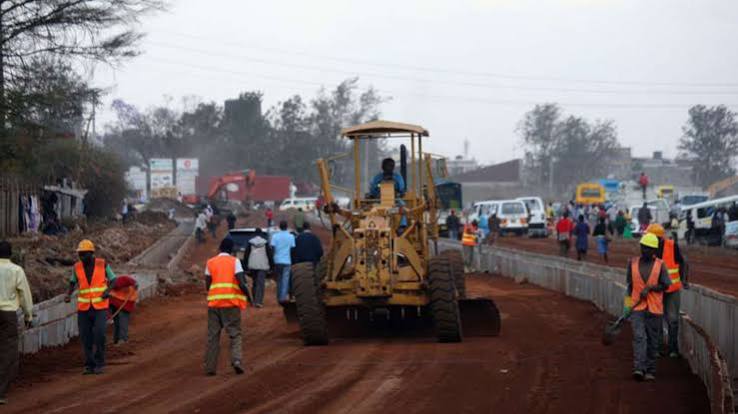
The report points to weaknesses in public procurement as a major source of additional costs. Direct contracting instead of competitive tendering, opaque public-private partnership proposals and contracts awarded to politically connected companies can create opportunities for inflated prices and further collusion during project implementation.
Kenya’s Standard Gauge Railway is cited as an example of the potential cost of governance failures. The Mombasa-Nairobi line cost an estimated US$7.6 million per kilometre, compared with US$5.7 million for Tanzania’s Dar es Salaam-Dodoma line. The World Bank estimates that Kenya could have saved up to US$900 million by using the Tanzanian cost benchmark, with at least 30 per cent of the potential savings linked to governance challenges.
The lender argues that improving transparency, strengthening procurement competition and tackling corruption could help reduce waste, narrow fiscal deficits and ease pressure on public borrowing. For Kenya, the challenge is not only to raise enough revenue to finance its budget, but also to ensure that public money delivers value and that governance weaknesses do not make every shilling borrowed more expensive.