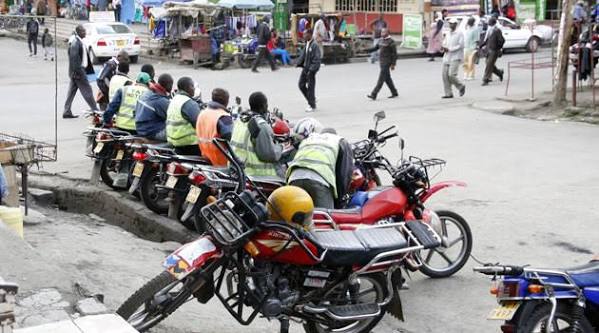
Kenya’s estimated 1.6 million to 2 million boda boda riders are facing a hidden cost of doing business, with bribe demands from traffic police and other officials eating into their daily earnings, according to the World Bank.
In its November 2026 Kenya Economic Update, the Bank estimates that riders can lose between 5 and 20 per cent of their daily earnings to bribes. The payments are reported at between KSh50 and KSh100 on an ordinary day, with occasional larger demands adding to the financial burden.
The report estimates that a boda boda rider earns around KSh1,100 per day, although actual earnings vary depending on location, operating costs and whether the motorcycle is owned or rented. The informal payments therefore take away money that riders could otherwise use for fuel, motorcycle maintenance, loan repayments and household expenses.
The demands come on top of other operating costs, including fuel taxes, import taxes on motorcycles, county charges and savings and credit cooperative organisation fees. Riders also face volatile incomes, competition and safety risks associated with working on the roads.
Evidence from a survey of 296 informal workers in Kisumu County illustrates the pressure. Among the boda boda drivers surveyed, 46.8 per cent reported experiencing police harassment, mainly through threats of arrest and fines. Of those who faced such threats, 78.7 per cent said they paid bribes to avoid further police action.
The World Bank says the problem is linked to the enforcement powers held by frontline officials. Police can threaten to report offences or impound motorcycles, while county inspectors have powers to enforce local regulations. Such powers can create opportunities for officials to demand unofficial payments.
The financial impact extends beyond individual riders. The report cites an estimate that payments to traffic police across the country amount to KSh88 billion annually, although this is an estimate of total payments rather than a figure attributable to boda boda operators alone.
The World Bank argues that reducing frontline corruption would improve the earnings and economic opportunities of informal workers. For riders who depend on daily collections to support their families, tackling these demands could mean keeping more of what they earn.