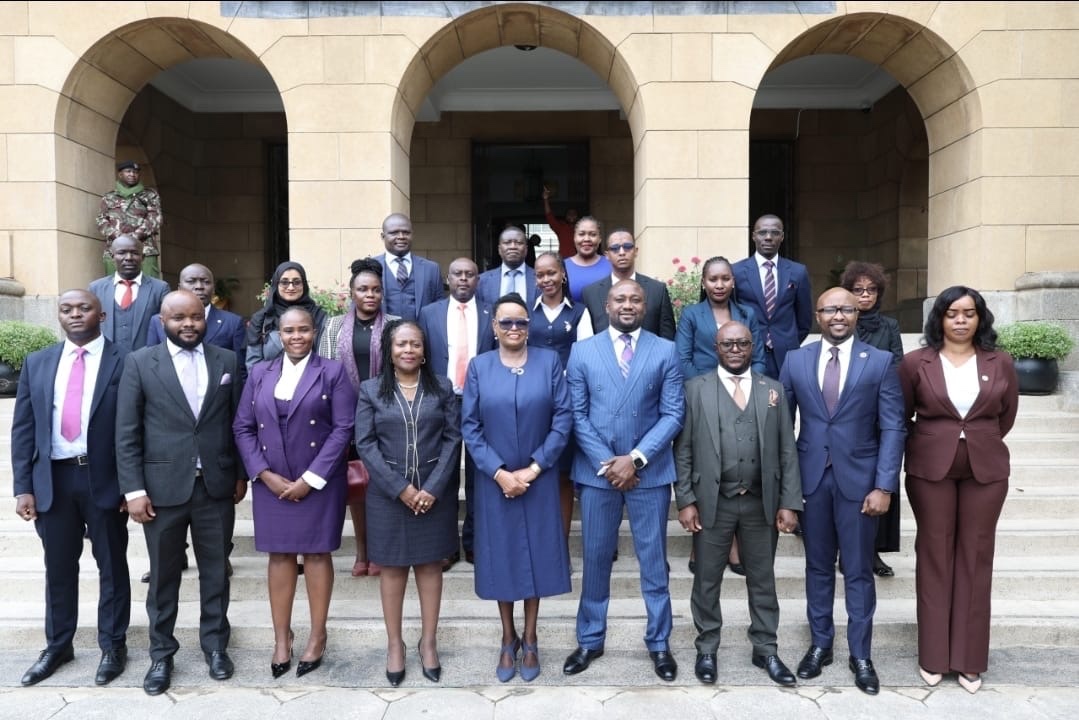
Chief Justice Martha Koome has presided over the swearing-in of 18 newly appointed Ad Hoc Members of the Political Parties Disputes Tribunal (PPDT), as the Judiciary moves to strengthen its capacity to handle political party disputes ahead of the 2027 General Election.
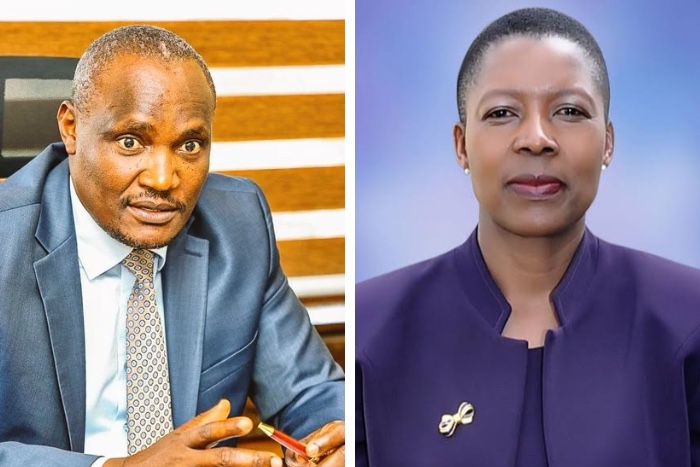
The swearing-in ceremony was conducted by Chief Registrar of the Judiciary Winfridah Mokaya, marking an important step in preparing the specialised tribunal to deal with disputes that may arise within political parties and during the electoral process.
Speaking during the ceremony, Koome underscored the critical role played by the PPDT in safeguarding Kenya’s constitutional democracy and promoting confidence in electoral justice.
Importance of the Political Parties Disputes Tribunal
She said the integrity of elections begins within political parties, particularly through the manner in which parties conduct their internal affairs, carry out nominations, resolve disagreements and protect the rights of their members.
With the country heading towards the 2027 General Election, the Chief Justice urged the Tribunal to build on lessons and gains recorded during the 2022 electoral cycle.
Koome commended the Tribunal for hearing and determining 314 disputes during the 2022 pre-election period. She attributed the Tribunal’s performance to the deployment of 18 Ad Hoc Members, decentralisation of its operations through eight panels across seven stations and increased use of technology.
The Tribunal adopted tools such as electronic filing, the Case Tracking System and virtual hearings, measures that helped improve access to justice and support the timely handling of disputes.
The Chief Justice said the experience demonstrated the importance of early institutional preparation, adequate staffing, innovation and effective case management in dealing with electoral disputes.
Ahead of the 2027 elections, she called for comprehensive early preparations, enhanced training of Tribunal members, stronger case management systems and sustained decentralisation of services.
Koome further stressed the need for decisions that are not only delivered on time but are also legally sound, well reasoned and consistent with established jurisprudence.
Call for enhanced electoral preparations
She also urged political parties to strengthen their internal dispute resolution mechanisms. According to the Chief Justice, stronger internal systems could help minimise disputes and reduce pressure on external electoral dispute resolution institutions.
The Registrar of Tribunals, working with the PPDT, the Judiciary Committee on Elections and the Kenya Judiciary Academy, has been tasked with developing a comprehensive 2027 readiness plan.
The plan is expected to address training, staffing, technology, regional operations, public communication and performance standards.
Addressing the newly sworn-in members, Koome reminded them of the responsibility attached to their oath, particularly given the politically sensitive nature of electoral disputes.
Responsibilities of newly appointed members
She urged them to remain independent and impartial and resist political pressure, personal interests and external influence.
The Chief Justice said members should be guided solely by the Constitution, the law and evidence when determining disputes.
The 18 appointments comprise nine members under Section 39A(1)(a) and another nine under Section 39A(1)(b) of the Political Parties Act.
Members appointed under Section 39A(1)(a) are Brian Nyabuti Onderi, George Ngugi Gathuka, Joyann Makena Mbwiria, Maulline Gragau, Ogada Alvin Meso, Ruth Akoth Otieno, Abigael Buyanzi Samin, Bennette Wamwene Nzamba and Jane Wanjiku Ngochi.
Those appointed under Section 39A(1)(b) are Victor Kiari Machoka, Mohamed Omar Haji, Antony Mmbaya Lumula, Alfred Otieno Onde, Namae Rose Sitati, Boaz Oyoo Were, Andrew G. Waruhiu, Joseph Riwongole Ngoriakou and Isaiah Sifuna Walubengo.
The PPDT is a key institution within Kenya’s electoral justice framework. It provides a specialised forum for resolving disputes involving political parties and other matters provided for under its statutory mandate.
Its responsibilities include determining disputes between members of political parties, disputes between political parties and their members, disputes between political parties, and disputes involving independent candidates and political parties.
The Tribunal also handles disputes arising from coalition agreements, as provided for under Kenyan law.
Its work is considered important in promoting internal party democracy, accountability and compliance with constitutional and statutory requirements.
Significance of the swearing-in ceremony
The swearing-in of the 18 members comes as Kenya begins preparations for the 2027 General Election, when efficient and credible mechanisms for resolving political party disputes will be crucial in protecting democratic processes and strengthening public confidence in the electoral system.