China’s Singles Day shopping festival is testing AI sales tools, with platforms rolling out shopping assistants on November 11, 2026. JD.com said its AI assistant, Dongdong, drew nearly 80 million users seeking advice for this year’s festival, more than triple last year’s. Alibaba and JD have not released official sales figures, relying instead on anecdotal data.
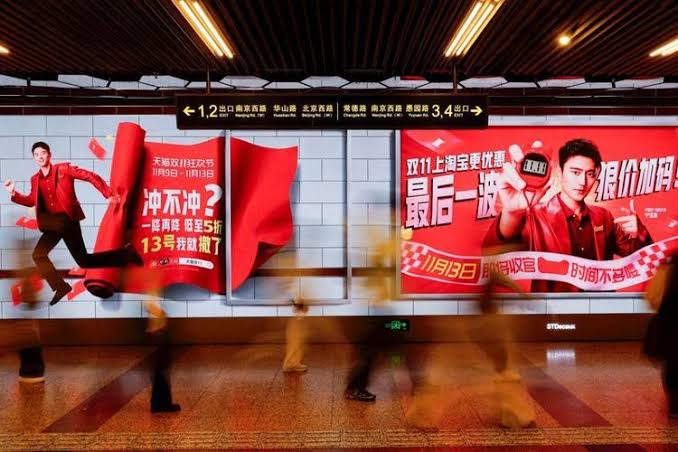
Singles Day began as a one-day event on November 11 but has grown into a month-long festival, with discounts running on different start dates across platforms. Retailers have pushed sales higher largely by lengthening the festival rather than by lifting spending per shopper. Total sales in 2025 reached a record of almost 1.7 trillion yuan, or about $254 billion.
The festival is now a test of artificial intelligence. JD’s Dongdong assistant is designed to advise shoppers on what to buy, and its user numbers have far outstripped those of the previous year. Platforms are also adding AI tools for pricing, advertising, customer service and recommendations, which are intended to convert browsing into purchases.
The 618 mid-year festival in June gave an early signal. Alibaba integrated its Qwen conversational assistant into Taobao, and ByteDance said it had cut merchant customer-service labour costs by about 70 percent with AI. Yet Syntun data reported that the 618 festival grew only 4 percent in 2026, its slowest growth on record, which suggests that AI tools alone have not revived consumer demand.
Official figures will be hard to read. Alibaba and JD have not released official sales figures for Singles Day, offering instead anecdotal data. JD has said its gross merchandise value hit a record and that the number of users placing orders rose 40 percent, but those claims have not been independently verified.
Analysts have been cautious. Official data showed retail sales in the period rising about 3 percent year on year, slower than the 4.5 percent growth of a year earlier. Some analysts view third-party estimates of 14 percent growth in platform sales as soft, given the lack of audited figures.
Regulators are also shaping the competition. Chinese authorities have pressed platforms to curb excessive discounting, which has pushed companies to compete on the quality of their AI shopping experiences rather than on price alone. Whether that shift can hold depends on whether shoppers respond to recommendations rather than promotions.
The next signals will be the final gross merchandise values published by Alibaba and JD, the official retail sales data for November, and any sign that the AI tools are lifting order volumes or average spending. Those results will show whether AI selling can offset weak consumer demand.