China's embassy in Japan has warned its citizens against attempting to climb Mount Fuji outside the official climbing season, amid fears that a reward offered by the family of a missing Chinese hiker could encourage dangerous rescue attempts.
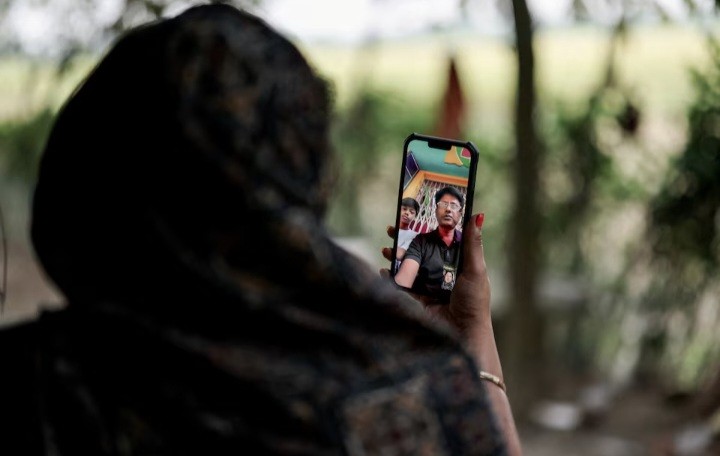
The warning follows the disappearance of 25-year-old Chen Jie, who went missing on November 8 while climbing Japan's highest mountain.
His family is offering 500,000 yuan, equivalent to approximately $75,000, to anyone who finds him alive, while a reward of 100,000 yuan has been announced for anyone who recovers his body.
The substantial reward has attracted attention but also raised concerns among Japanese authorities and members of the public that individuals could attempt risky climbs in an effort to claim the money.
In a statement issued on Tuesday, the Chinese embassy cautioned citizens against climbing Mount Fuji during the off-season, highlighting the dangers posed by extreme weather conditions.
The embassy warned that strong winds and blizzards can make the mountain particularly dangerous during winter, especially because shelters and first-aid facilities are not operational outside the official climbing period.
Mount Fuji's official climbing season normally runs from early July to early September, when weather conditions and mountain facilities are better suited to accommodate climbers.
The disappearance of Chen has also prompted concerns from authorities in Yamanashi Prefecture, where the northern side of the mountain is located.
On Wednesday, Yamanashi Governor Kotaro Nagasaki warned that attempts by individuals to independently search for the missing hiker could result in additional accidents and put more lives at risk.
He reportedly appealed to Chen's family to avoid encouraging actions that could endanger other people.
The governor's remarks came amid growing concerns that the reward could motivate inexperienced climbers to venture into dangerous conditions without proper equipment or knowledge of the mountain.
Japanese authorities have also been strengthening safety measures to discourage off-season climbing.
Earlier this year, Yamanashi authorities announced plans requiring climbers who attempt to scale Mount Fuji outside the official season to submit detailed climbing plans.
They also indicated that individuals requiring helicopter rescue during off-season climbs would be required to pay for the service from next year.
Nagasaki said the measures were intended to make climbers understand the risks associated with attempting to scale the mountain during periods when safety facilities are unavailable.
According to Yamanashi police, Chen began his hike on November 8 alongside two friends.
However, the two companions reportedly decided to turn back after realising that the mountain was officially closed and that they were not adequately equipped for the prevailing conditions.
Chen continued the climb alone from the fifth station of the Yoshida Trail, located approximately 2,300 metres above sea level.
His friends last heard from him at around 10:30 that morning, when he sent a video message indicating that he was continuing towards the summit.
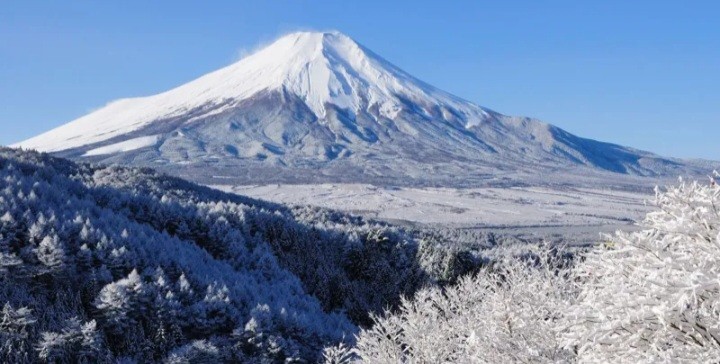
The 3,776-metre Mount Fuji is Japan's tallest mountain and attracts thousands of climbers during its official climbing season.
However, its winter conditions can be particularly unforgiving, with freezing temperatures, heavy snowfall and powerful winds increasing the risk of accidents.
Local authorities launched a search operation for Chen on November 10, but the exercise has reportedly been interrupted several times due to poor weather conditions.
His father is said to have arrived in Japan on November 13 as efforts to locate the missing climber continued.
It remains unclear when the family announced the financial reward.
The case has since sparked a wider debate about the dangers of off-season mountain climbing and whether large financial incentives could unintentionally encourage people to undertake life-threatening rescue attempts.
While Chen's family continues to hope for his safe recovery, Japanese authorities are urging the public to exercise caution and avoid independent searches that could create further emergencies.