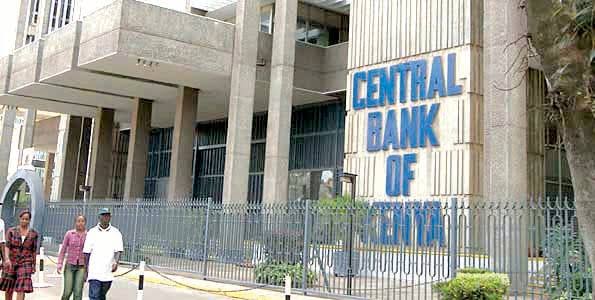
Kenya’s financial markets recorded mixed but largely positive movements in the week to November 5, 2026, with the shilling maintaining stability against the US dollar, foreign exchange reserves remaining above statutory requirements and investors increasing their appetite for government securities, according to the Central Bank of Kenya (CBK).
In its Weekly Bulletin released on November 6, the regulator reported that the shilling exchanged at Sh129.96 against the dollar on November 5, unchanged from October 29. Foreign exchange reserves stood at US$14.699 billion, equivalent to 5.9 months of import cover, exceeding the CBK’s minimum target of four months.
Demand for government debt remained strong during the review period. The November 5 Treasury bill auction attracted bids worth Sh67.7 billion against an advertised Sh28 billion, representing a subscription rate of 241.8 percent. The 182-day and 364-day Treasury bill interest rates declined marginally, while the 91-day rate remained stable.
The November 4 Treasury bond auction also recorded strong investor interest, receiving bids worth Sh99.5 billion against an offer of Sh50 billion. This represented a performance rate of 198.9 percent, reflecting demand for the reopened 15-year and 30-year government securities.
At the Nairobi Securities Exchange (NSE), the market recorded gains across its main indices. The Nairobi All Share Index (NASI) rose 1.68 percent, the NSE 25 gained 3.14 percent, while the NSE 20 increased 1.37 percent during the week.
Equity turnover surged 2,755.81 percent, while the volume of shares traded increased 933.04 percent. The CBK attributed the sharp rise largely to Nedbank’s Sh107.3 billion acquisition of a 66 percent stake in NCBA Group. Market capitalisation also increased 1.68 percent to Sh4.05 trillion.
Meanwhile, international oil prices declined, with Murban crude falling to US$94.04 per barrel on November 5 from US$110.46 on October 29. The CBK linked the decline to easing concerns about potential disruptions to Middle East oil supplies following the conclusion of the US midterm elections.
Kenya’s gross domestic debt reached Sh7.894 trillion as at October 30, highlighting the continued scale of government borrowing.
The latest bulletin points to stable currency conditions and strong demand for government securities, while developments in oil markets and domestic borrowing remain important indicators to watch.