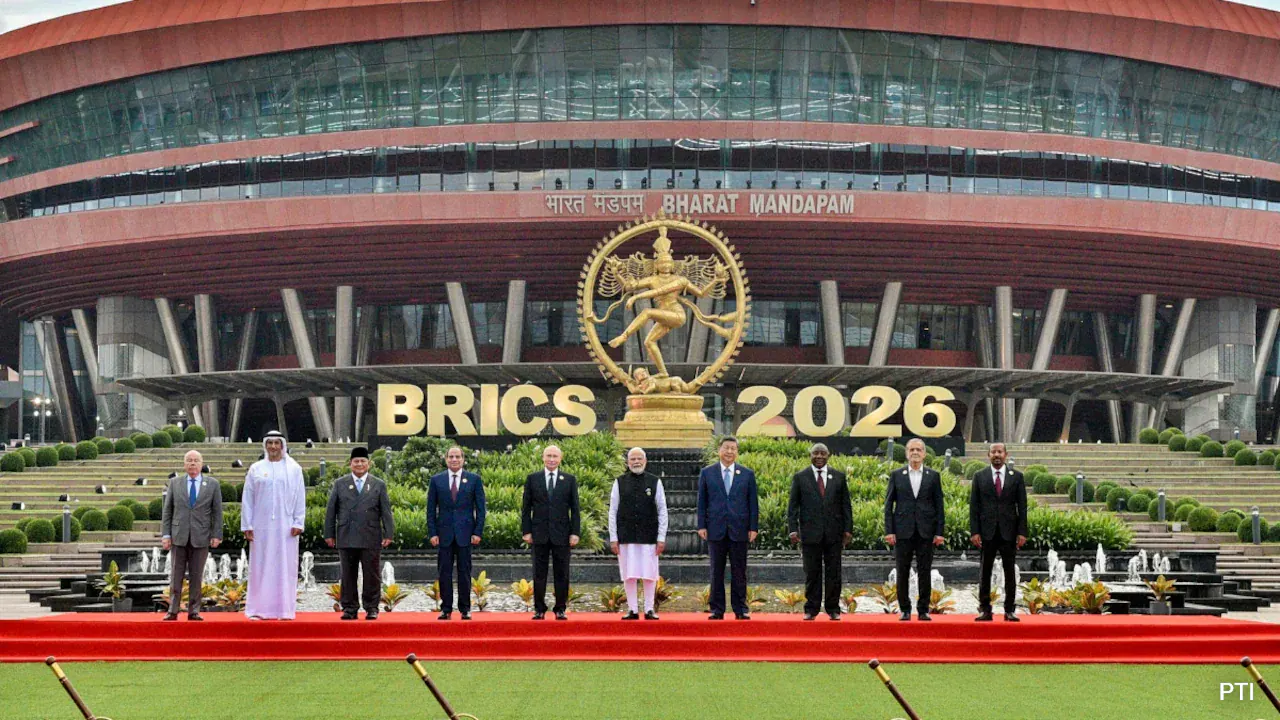
The BRICS Summit 2026, held on September 13, showcased significant divisions within the 11-nation bloc as it refrained from condemning the ongoing US-Israel conflict with Iran. This decision underscores the differing perspectives among member countries, which include Brazil, Russia, India, China, and South Africa, among others.
During the summit, the BRICS nations aimed to address various global issues, including economic cooperation and geopolitical tensions. However, the reluctance to take a unified stance on the US-Israel war with Iran highlighted the internal disagreements that persist within the group. This lack of consensus reflects the diverse political and economic interests of the member states.
The summit's outcome has raised questions about the bloc's ability to present a cohesive front on international matters. While BRICS has been a platform for emerging economies to collaborate and challenge Western dominance, the differing views on critical issues like the Middle East conflict reveal the complexities of aligning such a diverse group.
Looking ahead, the BRICS nations will need to navigate these internal divisions to strengthen their collective influence on the global stage. The next steps may involve increased diplomatic efforts to reconcile differing viewpoints and foster greater unity among the member countries.