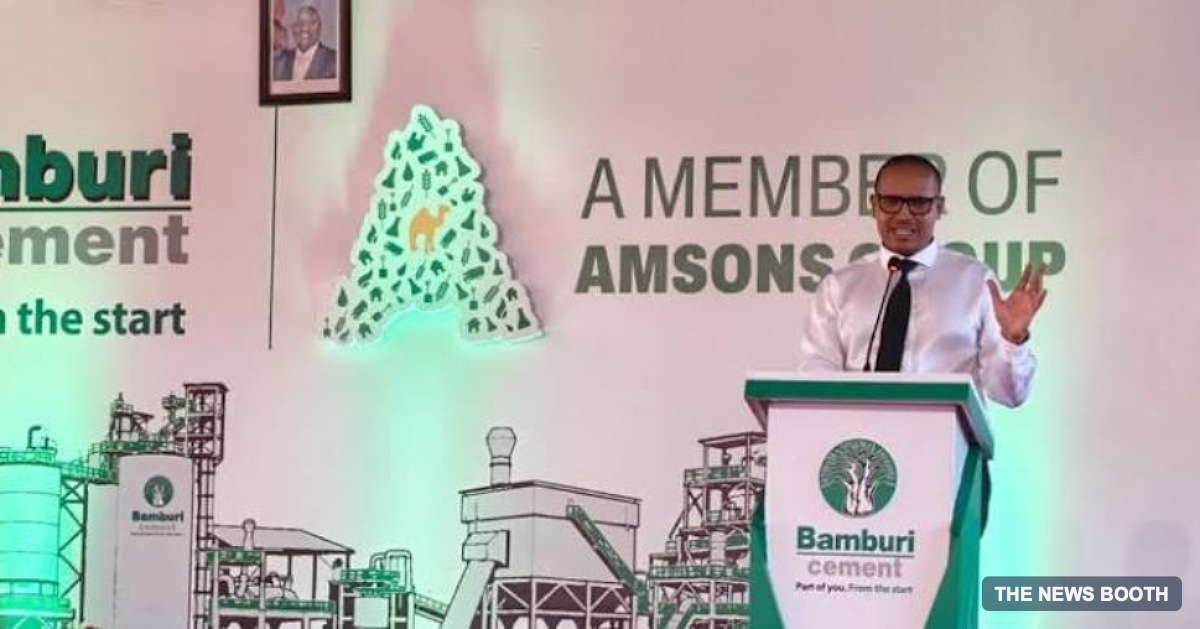
Bamburi Cement has broken ground on a Sh32 billion clinker manufacturing plant in Matuga, Kwale County, as the company moves to expand domestic production of a key cement ingredient and reduce reliance on imports. President William Ruto presided over the groundbreaking ceremony on Tuesday, November 24, 2026.
The US$250 million investment, being undertaken by Bamburi’s parent company, Tanzania-based Amsons Group, will establish a facility with an annual production capacity of 1.6 million tonnes of clinker. Once operational, it is expected to raise Bamburi’s clinker capacity from one million tonnes to 2.6 million tonnes annually.
The expansion is also projected to increase the company’s cement production capacity from 1.8 million tonnes to four million tonnes a year, strengthening its ability to serve Kenya and regional markets. Chinese engineering firm Sinoma CBMI Construction Company is responsible for delivering the plant under an engineering, procurement and construction contract signed in December 2025.
Clinker is the main intermediate material used in cement manufacturing. It is produced by heating limestone and other raw materials at high temperatures before being ground with gypsum and other additives to make cement.
Increasing local clinker production could help Bamburi reduce exposure to imported raw material prices, shipping expenses and foreign exchange fluctuations. The investment comes as manufacturers seek to strengthen local supply chains amid growing demand for construction materials from housing, infrastructure and private-sector development.
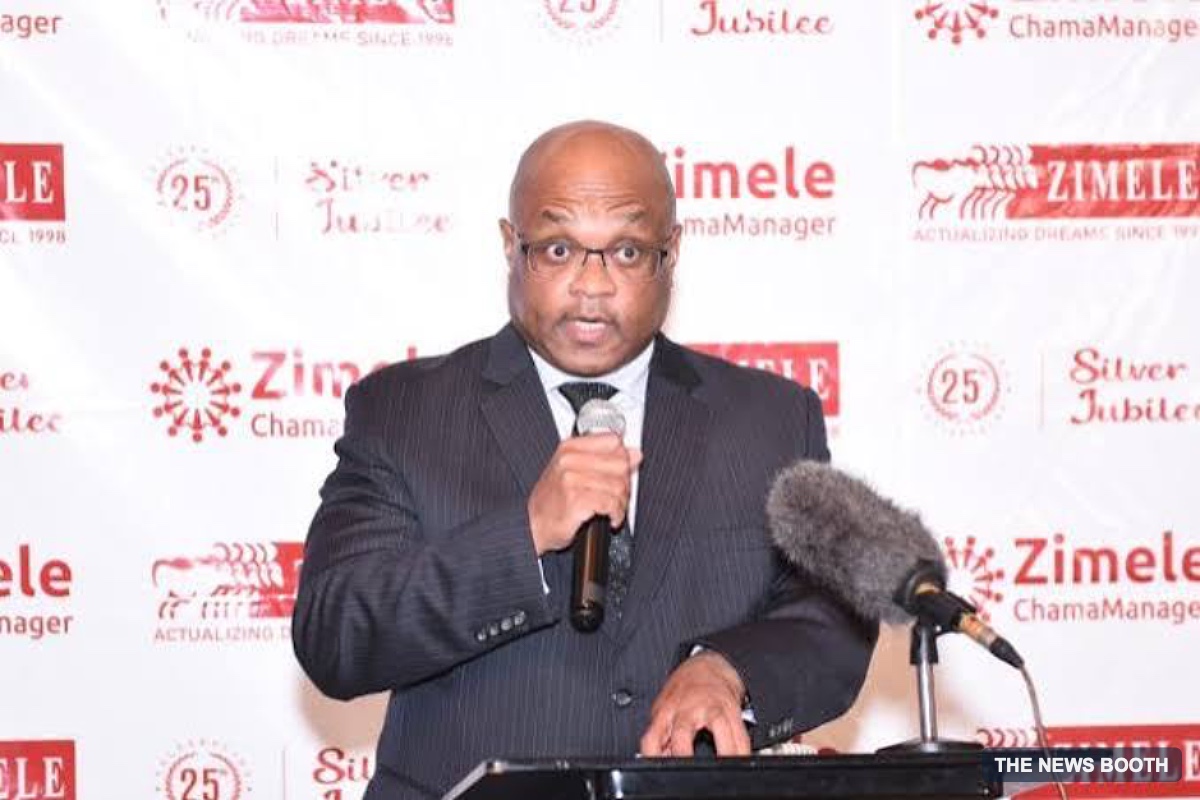
Amsons Group Managing Director Edha Nahdi said the investment reflected the group's confidence in Kenya's industrial and economic potential. The company also expects the project to create employment and business opportunities for suppliers, transporters, quarry operators and maintenance providers.
According to the Kenya Broadcasting Corporation, the project is expected to generate approximately 10,000 direct and indirect jobs. However, the figure represents projected employment opportunities rather than jobs already created.
The plant will also incorporate alternative fuels and raw materials, including coconut and cashew nut husks and municipal solid waste sourced from the Coast region. The approach is intended to reduce dependence on conventional fuels, although cement production remains energy-intensive and carries significant emissions risks.
Bamburi's investment comes as competition in Kenya's cement industry intensifies. Other manufacturers are also expanding clinker capacity, seeking to secure raw material supplies and serve growing construction markets.
For consumers, additional domestic production could improve supply reliability, but it does not automatically guarantee cheaper cement. Energy, transport, distribution and other manufacturing expenses will continue to influence retail prices.
The next major milestone will be the construction and commissioning of the Matuga facility, with its eventual production levels determining how much additional clinker and cement reaches the Kenyan and regional markets.