Amnesty International has accused the United Nations peacekeeping mission in South Sudan and government authorities of failing to prevent the massacre of 213 people in Abiemnom despite receiving warnings of an imminent attack weeks before armed men raided the town.
The rights organisation said the United Nations Mission in South Sudan (UNMISS) and South Sudanese authorities had sufficient information and time to strengthen security ahead of the March 1 attack but failed to take adequate preventive measures.
The assault was carried out by between 1,000 and 1,500 armed men from neighbouring Mayom County in Unity State. It lasted approximately four hours, with attackers shooting residents, burning homes, looting shops and ransacking parts of the local hospital.
South Sudanese authorities reported that at least 213 people were killed, including 130 town residents, 76 security personnel and seven foreign nationals. At least 109 others were injured.
Amnesty's investigation found that warnings had emerged in the weeks leading up to the massacre, including reports from community members that young men in Mayom County were mobilising fighters and assembling weapons and ammunition.
Unity State authorities had also acknowledged receiving intelligence about a possible attack. UNMISS confirmed that tensions in the area had been high since mid-February, with around 1,000 civilians seeking protection outside its Temporary Operation Base on February 28, a day before the assault.
Despite the warnings, the mission did not reinforce its approximately 36 peacekeepers stationed in Abiemnom before the attack.
"Both the government and UNMISS had sufficient information and time to take more effective preventive action. Their failure to take stronger action cost lives," said Tigere Chagutah, Amnesty International's Regional Director for East and Southern Africa.
The report, titled The Abiemnom Massacre: Inaction and Impunity in South Sudan, was based on interviews with 82 people, including survivors, witnesses, medical personnel and community leaders, alongside satellite imagery and verified photographs and videos.
Amnesty documented killings inside homes, courtyards and as residents attempted to flee. Some victims were shot at close range after being captured or wounded, while government security forces and armed residents who attempted to repel the attackers were overwhelmed.
Seven documented killings occurred near the rear gates of the UNMISS base, where residents had run hoping to find protection. Children were also among those killed, including a 10-year-old girl who was shot while fleeing with her mother and sibling.
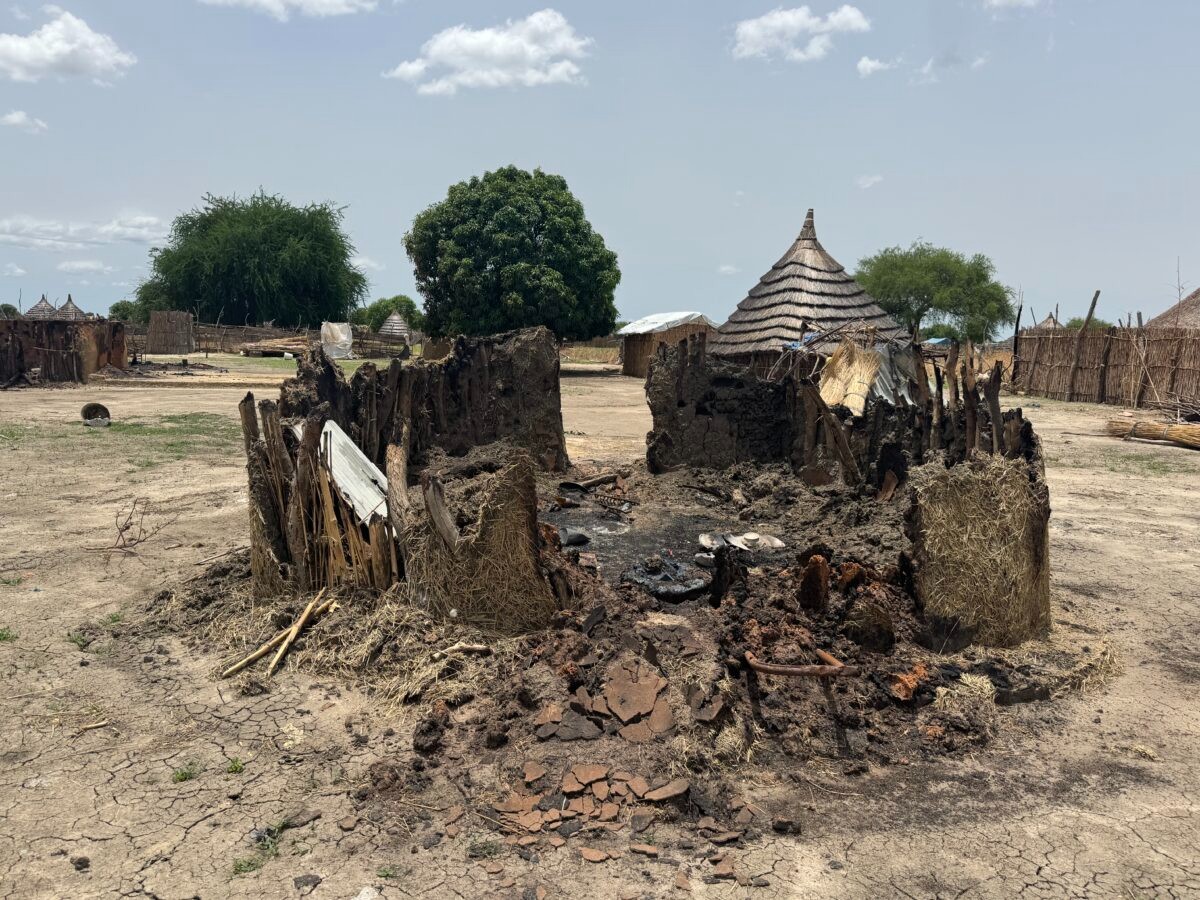
The attackers also burned homes, sections of the market and other property. Satellite imagery reviewed by Amnesty showed that more than 230 structures had been destroyed by fire, while most of the victims were buried in two mass graves on the outskirts of the town.
The organisation further established that the entire population fled Abiemnom after the massacre, leaving the town largely deserted. Survivors interviewed towards the end of March said they did not feel safe returning without guarantees of protection.
UNMISS spokesperson Priyanka Chowdhury defended the mission's response, saying it had prioritised protecting and providing medical assistance to approximately 2,500 people who sought refuge at its base.
She said budget cuts and reduced personnel had forced the mission to concentrate its available capacity on civilians sheltering within its protected area rather than spreading limited forces across other operations they could not safely sustain.
Chowdhury added that UNMISS had repeatedly requested the national army to deploy additional security forces after receiving early warnings. The mission subsequently sent 40 additional police personnel to the area following the massacre.
Amnesty questioned why the reinforcements were not deployed earlier, particularly given a similar deadly attack on Abiemnom in April 2025. The organisation said the March massacre may have been triggered by unresolved killings of several young men from Mayom County in Abiemnom.
The findings also raise questions about the peacekeeping mission's capacity to protect civilians following a reduction in its authorised troop strength. In April, the United Nations Security Council renewed UNMISS's mandate but reduced its authorised troop ceiling from 17,000 to 12,000.
Amnesty said South Sudanese authorities had not responded to two letters requesting information and comments on its preliminary findings. It called for a prompt, independent and impartial investigation into the killings, with those suspected of responsibility brought to justice.
The organisation also urged the government to establish a credible parliamentary inquiry and provide survivors and victims' families with reparations, including medical, psychological and livelihood support. It separately called on UNMISS to conduct an independent review of its actions before, during and after the attack and make the findings public.
The report comes as South Sudan prepares for general elections scheduled for December 22, 2026, amid renewed fighting between government forces and opposition groups and concerns over the future of the 2018 peace agreement that ended five years of civil war.