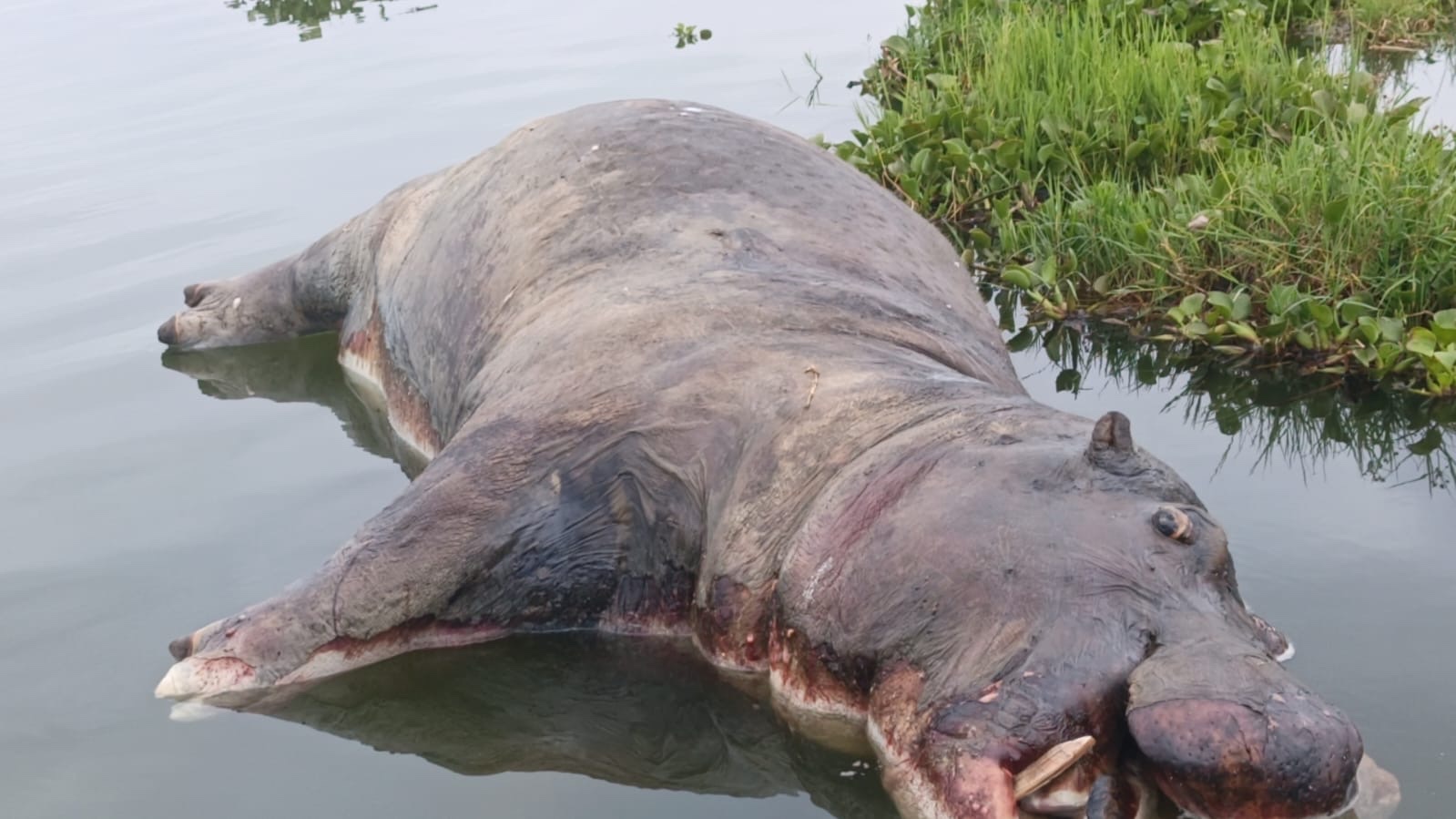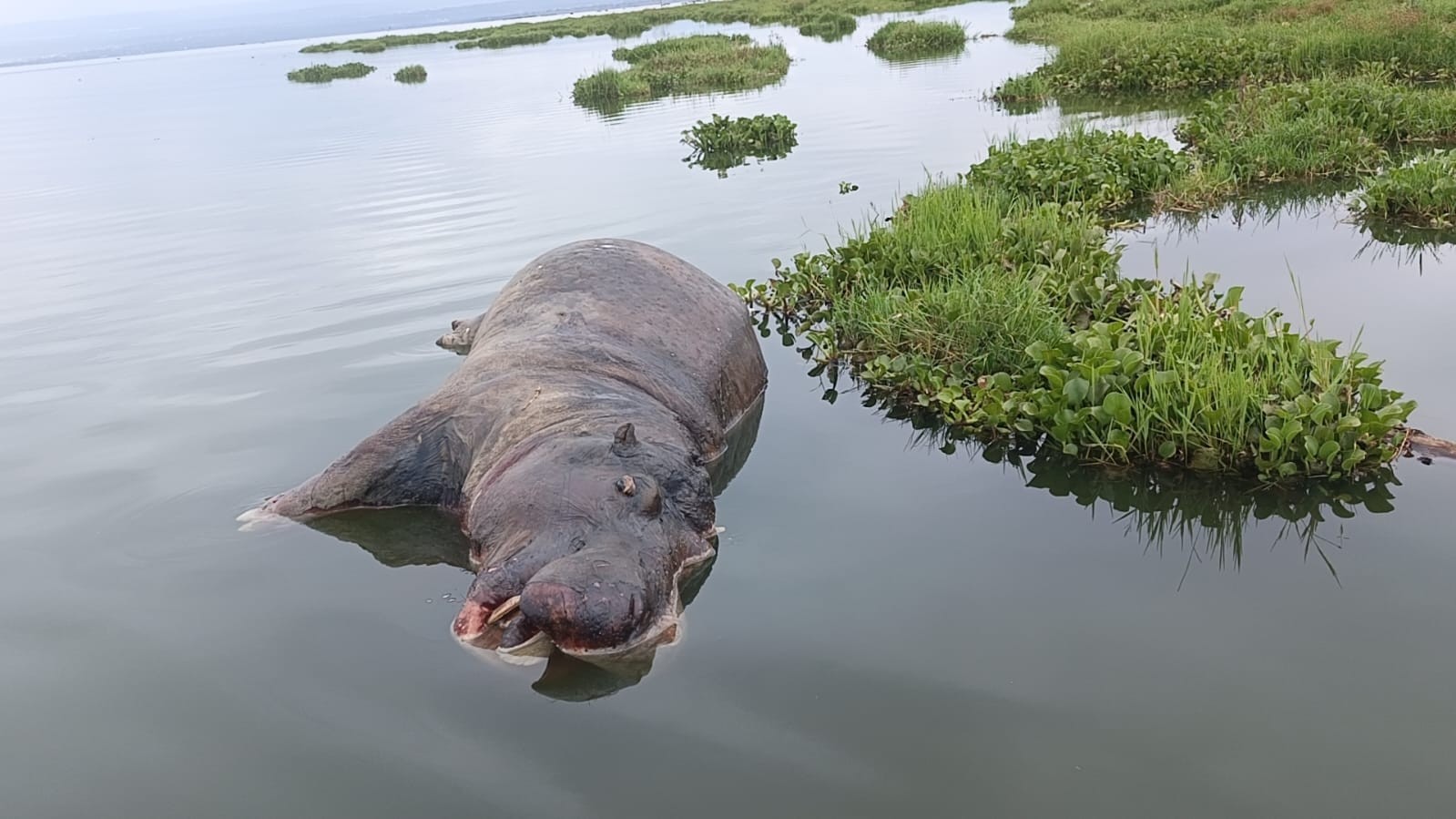
More hippos have died under mysterious circumstances in Lake Naivasha within two weeks, raising concerns over possible water contamination and the safety of aquatic life in the lake.
The carcasses were spotted floating in different sections of the lake, including Kiboko, Kibokoni, Kamere and areas near the Malawa River, with fishermen and beach management units reporting the deaths in mid-November.
Residents say some of the carcasses showed no visible injuries, with several appearing bloated, raising suspicions that the animals could have been poisoned or exposed to contaminated water.
The unexplained deaths have sparked concern among fishermen, tour operators and conservationists, who fear the incident could have far-reaching implications for the lake's ecosystem, livelihoods and tourism activities.
The Kenya Wildlife Service has deployed patrol teams to the affected areas to retrieve the carcasses and collect samples for laboratory analysis to establish what caused the deaths.
However, the recovery exercise has been hampered by heavy rains, rising water levels and dense water hyacinth, which has made it difficult for teams to access some of the affected locations.
Lake Naivasha has in recent weeks experienced rising water levels, resulting in the flooding of grazing areas and farms around the lake.
The changing conditions have forced hippos to move out of their usual habitats in search of food, with some venturing into nearby farms and residential estates.
The situation has heightened human-wildlife conflict, as residents contend with the presence of hippos in areas where they previously had little interaction with the animals.
Fishermen and beach management units are now calling for urgent investigations into the deaths, warning that any contamination of the lake could threaten fish stocks and the livelihoods of communities that depend on its waters.
They are also concerned about potential public health risks, particularly if the carcasses remain in the water for extended periods or if the deaths are linked to toxic substances.
Lake Naivasha is a major freshwater resource in the Rift Valley, supporting fishing, tourism, horticulture and a wide range of wildlife. Its ecological health is therefore critical to both local communities and the wider economy.
The incident has renewed calls for closer monitoring of water quality and wildlife health, as authorities seek to establish whether the deaths are linked to poisoning, environmental contamination or other natural causes.
The deaths have also raised questions about the possible impact of agricultural activities around the lake, including the use of pesticides and other chemicals that could find their way into the water through runoff, particularly during the rainy season.
Although poisoning remains among the suspected causes, authorities have not yet established a definitive link between the deaths and any chemical substance.
Investigators are expected to rely on laboratory findings from samples collected from the carcasses and the surrounding water.
Conservation stakeholders say the findings will be critical in determining whether the deaths are isolated incidents or a sign of a wider environmental problem affecting Lake Naivasha.
Residents have urged the relevant agencies to expedite investigations and provide regular updates, saying the continued presence of dead hippos in the lake could further undermine confidence in the safety of its waters.
They have also called for measures to address the increasing human-wildlife conflict around the lake, particularly as rising water levels continue to disrupt wildlife habitats and push animals closer to human settlements.
The Kenya Wildlife Service is yet to conclusively establish the cause of the hippo deaths.