The American Ethiopian Public Affairs Committee (AEPAC) has called on the United States to intensify diplomatic efforts to prevent escalating conflicts in Ethiopia from triggering a wider war in the Horn of Africa.
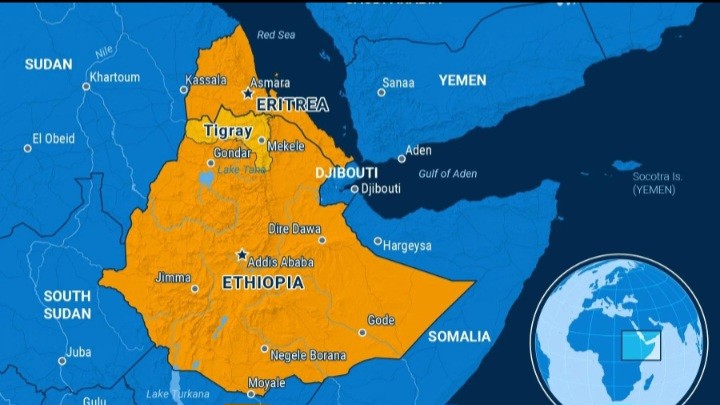
In a statement backing a letter sent by members of the US Congress to Secretary of State Marco Rubio, AEPAC warned that continued fighting in several parts of Ethiopia, coupled with rising tensions between Ethiopia and Eritrea, posed a growing threat to regional stability.
The committee cited the prolonged conflict in the Amhara region, renewed fighting in Tigray and armed clashes in other parts of Ethiopia as signs of an increasingly volatile security situation.
It also raised concerns over the recent formation of the Alliance for Survival (AFS), warning that the growing hostilities could have serious humanitarian consequences if efforts to contain the crisis fail.
AEPAC said the situation required sustained US diplomatic leadership, coordinated engagement with regional partners and a credible peace process that involves the parties to the conflicts.
The organisation warned that unresolved political disputes and rising tensions between neighbouring countries could deepen instability, increase civilian suffering and create conditions for a wider regional confrontation.
To address the crisis, AEPAC has endorsed a series of recommendations urging the US Department of State to take immediate diplomatic action.
Among its proposals is the appointment of a senior special envoy for the Horn of Africa with sufficient authority to engage directly with the leadership of Ethiopia and Eritrea.
The proposed envoy would also coordinate efforts with the African Union (AU), the Intergovernmental Authority on Development (IGAD) and the United Nations to promote regional dialogue and prevent further escalation.
AEPAC has further urged Washington to press all parties involved in the Ethiopian conflicts to agree to an immediate ceasefire and restart an inclusive peace process.
It called for independent monitoring of any ceasefire agreement and an effective mechanism to resolve disputes, arguing that a lasting political settlement would be necessary to address the underlying causes of the violence.
The committee also wants the US to engage Ethiopia and Eritrea at the highest diplomatic levels to prevent an interstate conflict. It urged both countries to honour their commitments under the 2018 Jeddah Agreement.
AEPAC also called on Washington to caution Egypt, Sudan and Gulf partners against providing military assistance or backing armed groups in ways that could worsen the crisis.
On the regional front, the organisation urged the US to work with influential countries in the Middle East and North Africa to coordinate de-escalation efforts and halt the supply of drones and other weapons being used in attacks that endanger civilians.
Humanitarian concerns also featured prominently in the statement, with AEPAC calling on Washington to press the Ethiopian government to guarantee unrestricted access for aid organisations to populations in need.
It further urged the restoration of essential emergency response funding and called for the US administration to provide Congress with details of humanitarian assistance committed to Ethiopia since September 23, 2026.
The committee also stressed the need to protect civilians and hold perpetrators of serious violations accountable.
It called on all parties to respect international human rights standards and international humanitarian law, while urging support for investigations into alleged war crimes and other serious abuses.
AEPAC specifically highlighted the need to protect and assist survivors of sexual and gender-based violence, adding that affected communities should have a meaningful role in peacebuilding and reconciliation efforts.
The organisation also proposed the reinstatement of targeted sanctions and visa restrictions against individuals on all sides found responsible for atrocities or actions contributing to violence and regional instability.
In addition, it urged the US to strengthen its diplomatic and intelligence capacity in the region through increased expertise, sustained engagement and improved early-warning systems.
AEPAC wants the State Department to provide regular updates to Congress on its strategy for preventing further conflict in Ethiopia and the wider Horn of Africa.
The committee said preventing a regional war would be far less costly than dealing with its consequences, warning that further escalation could lead to more deaths, displacement and humanitarian suffering while threatening security across the region.
It urged US policymakers and regional partners to prioritise preventive diplomacy, respect for human rights, accountability and cooperation in addressing the crisis.
AEPAC also backed the congressional request for the Department of State to brief lawmakers on its strategy by November 30, 2026.
The committee reaffirmed its support for peace and civilian protection in Ethiopia and the wider Horn of Africa, urging Washington and regional governments to act diplomatically before the situation deteriorates further.