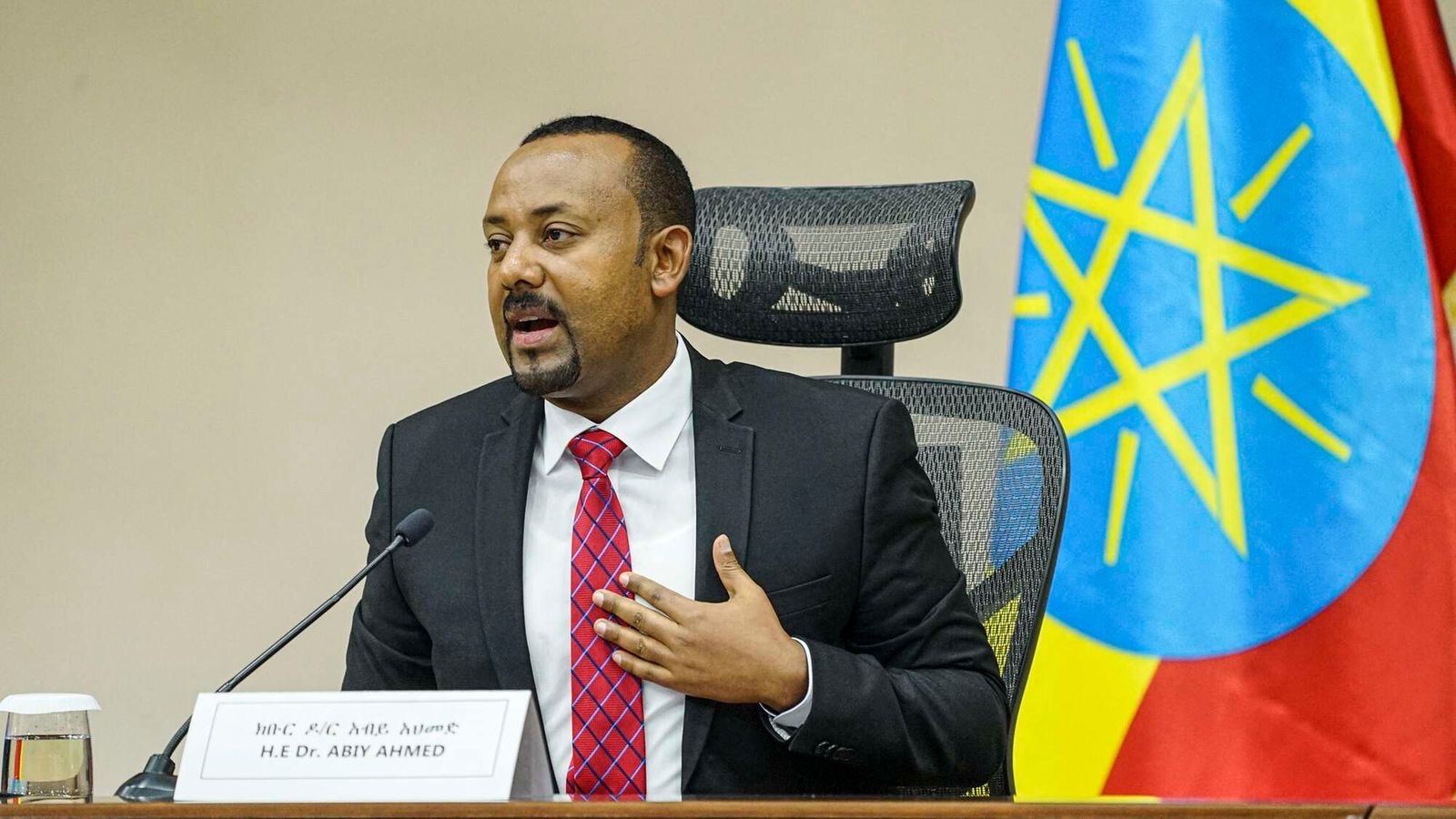
Ethiopian Prime Minister Abiy Ahmed has accused Eritrea of supplying weapons to forces opposed to his government, warning that continued support for Ethiopia’s adversaries could have serious consequences for the neighbouring country amid escalating tensions between the two Horn of Africa nations.
Speaking before lawmakers on Thursday, November 26, 2026, Abiy said Ethiopia wanted Eritrea to stop arming groups fighting against it and cooperate on joint development initiatives, insisting that peaceful coexistence remained possible if the Eritrean government changed its approach.
He outlined two demands for Asmara, calling for an end to what he described as Eritrea’s involvement in supplying weapons and collaborating with Ethiopia’s enemies, alongside renewed cooperation in economic and infrastructure development.
Abiy said Ethiopia had previously made considerable efforts to rebuild relations with Eritrea following years of hostility, including facilitating its diplomatic engagement with neighbouring countries by providing Ethiopian aircraft to transport Eritrean officials.
He also claimed Ethiopia had offered to supply electricity to Eritrea at the same domestic rates charged to Ethiopian consumers, citing the neighbouring country’s power shortages. However, he said the proposal was rejected, alongside offers to jointly develop roads and ports.
The Ethiopian leader criticised Eritrea’s leadership for what he described as a lack of commitment to economic growth and regional development, arguing that the rejection of the proposals had undermined opportunities for cooperation between the two countries.
Despite his criticism, Abiy said Ethiopia remained prepared to contribute financial resources, expertise and labour towards joint development projects, with cooperation from Eritrea being the condition for such arrangements.
He also revisited Eritrea’s involvement in the Tigray conflict, acknowledging its initial support for Ethiopia following the November 2020 attack on the Northern Command, which marked the beginning of the war between federal forces and the Tigray People’s Liberation Front (TPLF).
However, he accused Eritrean troops of later committing killings, destroying infrastructure and looting after entering the Tigray region, saying their actions marked a turning point in relations between the two governments.
Abiy further linked the deterioration to the November 2022 Pretoria Agreement, which ended major hostilities between Ethiopia’s federal government and the TPLF through an African Union-led peace process in South Africa. Eritrea fought alongside Ethiopian federal forces during the conflict but was not a signatory to the agreement.
Relations have since deteriorated, with both governments exchanging accusations over security and territorial interests. Ethiopia has accused Eritrea of supporting armed groups seeking to destabilise the country, allegations Asmara has rejected.
The diplomatic breakdown deepened in October 2026 when Ethiopia ordered the closure of its embassy in Eritrea and expelled Eritrean diplomats, prompting Asmara to sever diplomatic ties with its neighbour.
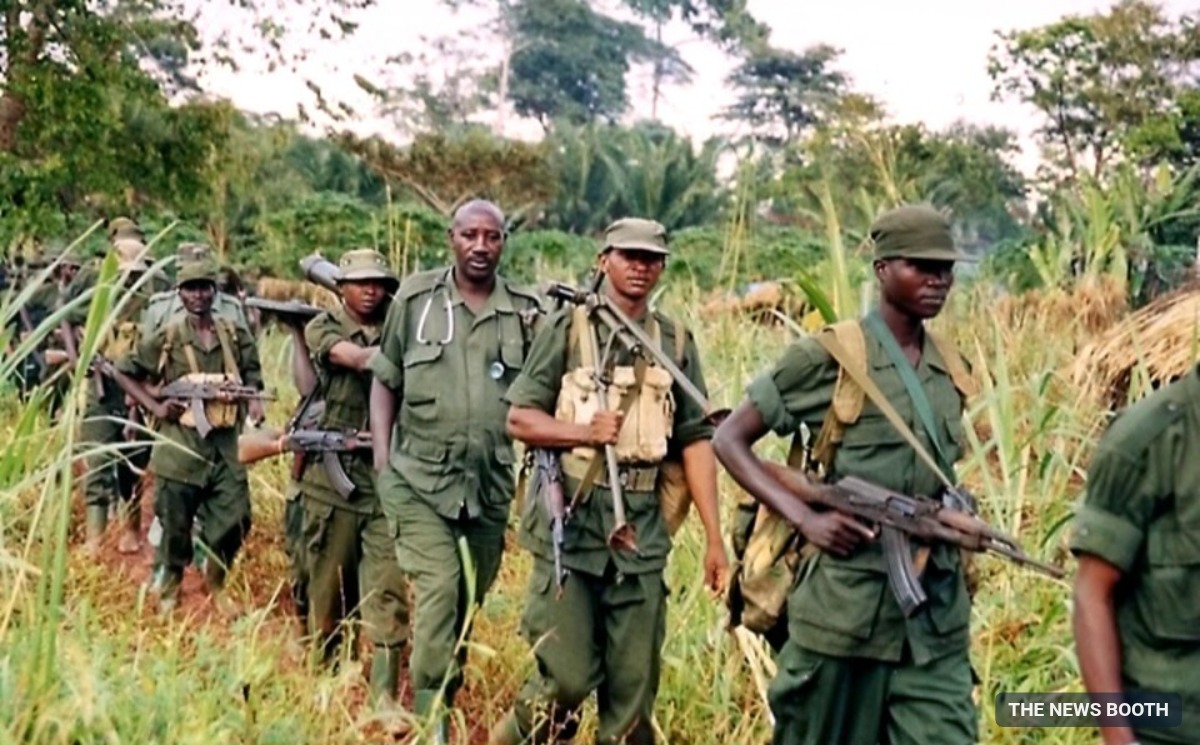
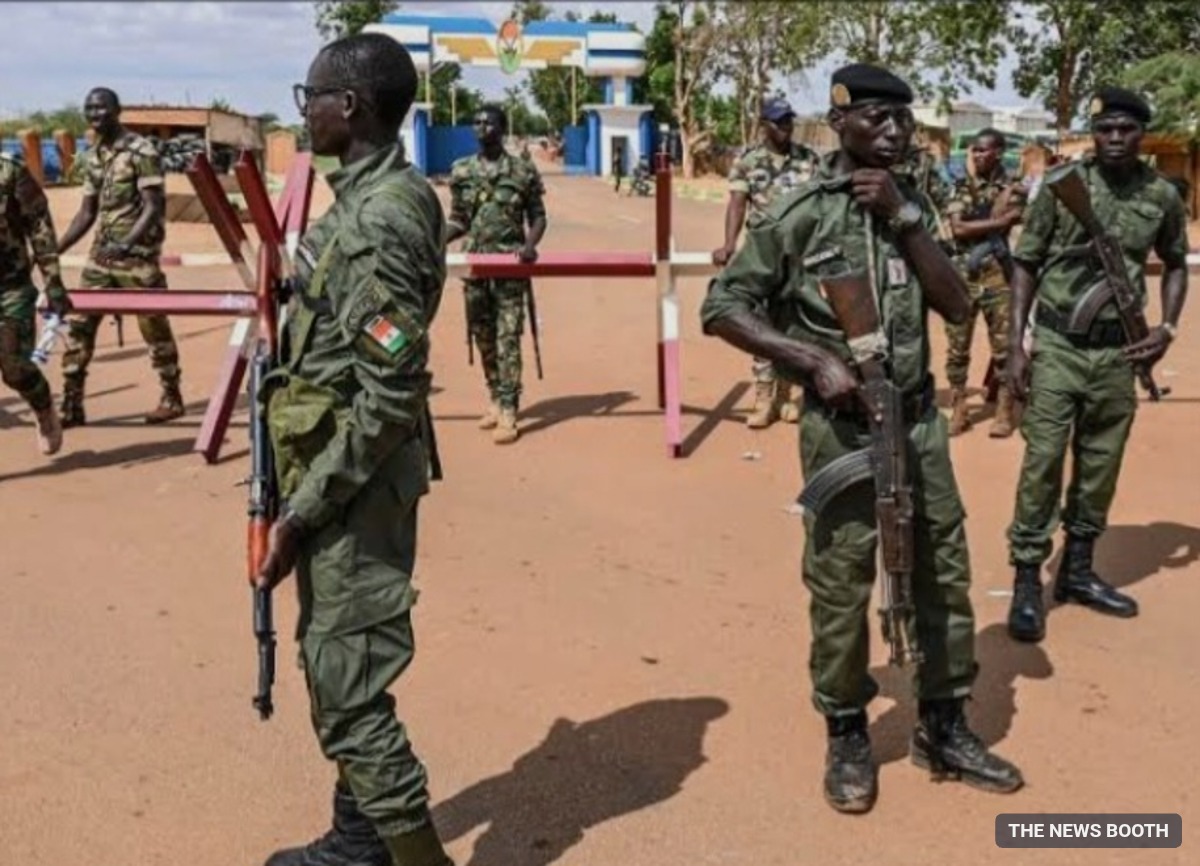
The two countries have also faced renewed security concerns following the resumption of fighting in northern Ethiopia in September. Reports of military deployments along their shared border have heightened fears that the internal conflict could develop into a direct confrontation between the neighbouring states.
Reuters reported on November 18 that both countries had concentrated forces along the border, with conflict monitors also reporting artillery exchanges and drone strikes near Badme. However, the reported direct clashes between Ethiopian and Eritrean forces could not be independently verified.
The dispute is further complicated by Ethiopia’s push for access to the Red Sea. The country became landlocked after Eritrea gained independence in 1993 and has since relied heavily on neighbouring countries, particularly Djibouti, for maritime trade.
Abiy has repeatedly described access to the sea as a strategic economic and security priority, while Eritrea has expressed opposition to any attempt to undermine its sovereignty or territorial integrity.
Despite the mounting disagreements, Abiy maintained that the two countries could still pursue peaceful relations through dialogue and economic cooperation, but warned that continued support for forces hostile to Ethiopia would carry serious consequences for Eritrea.