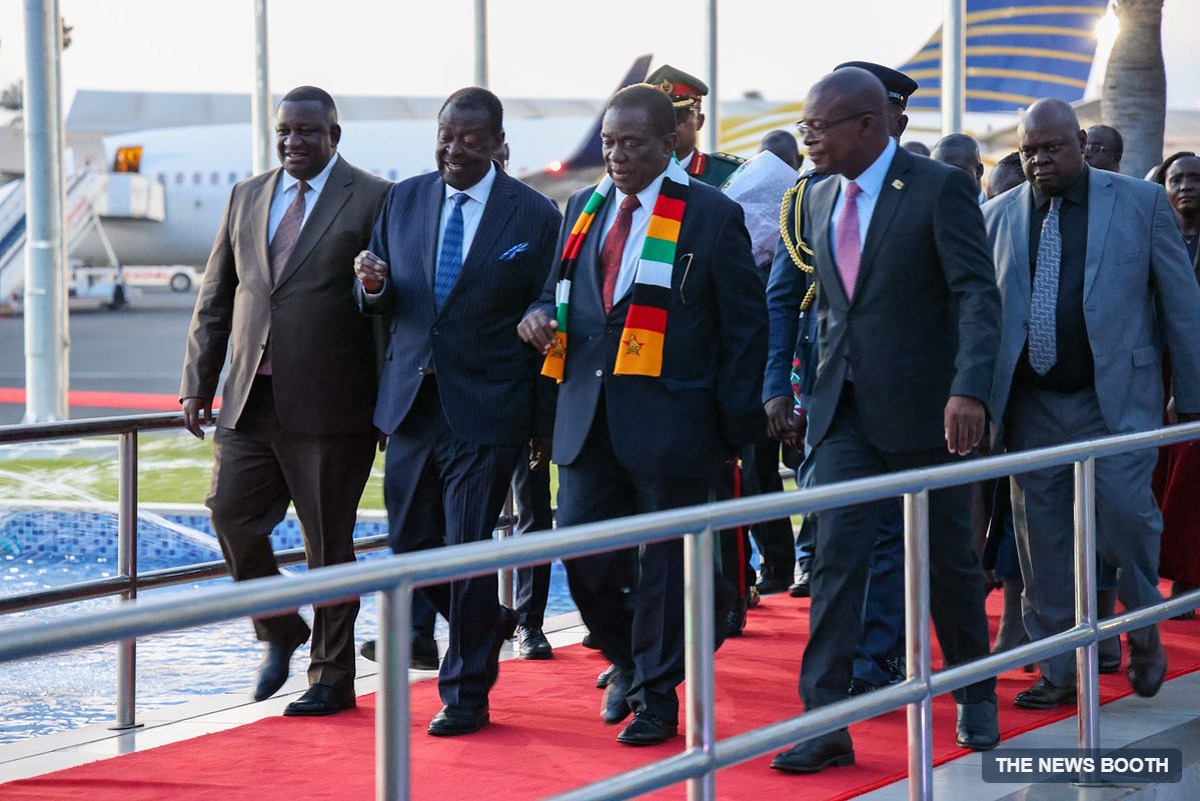
Zimbabwean President Emmerson Mnangagwa has arrived in Nairobi for a two-day State Visit, during which he is expected to co-chair the inaugural Kenya–Zimbabwe Bi-National Commission (BNC) alongside President William Ruto.
Mnangagwa was received at Jomo Kenyatta International Airport by Prime Cabinet Secretary and Foreign Affairs Cabinet Secretary Musalia Mudavadi, ahead of high-level engagements aimed at strengthening diplomatic relations, expanding economic cooperation and unlocking new investment opportunities between the two countries.
The visit marks a significant milestone in Kenya and Zimbabwe's bilateral relations, following the elevation of their cooperation framework from a Joint Permanent Commission on Cooperation (JPCC) to a Bi-National Commission during President Ruto's State Visit to Zimbabwe in April 2024.
Preparations for the inaugural commission gained momentum earlier this week when senior government officials from the two countries convened in Nairobi for the fifth session of the Joint Permanent Commission for Cooperation.
The meeting was co-chaired by Kenya's Principal Secretary for Foreign Affairs, Dr Korir Sing'Oei, and Zimbabwe's Permanent Secretary for Foreign Affairs and International Trade, Ambassador Albert R. Chimbindi.
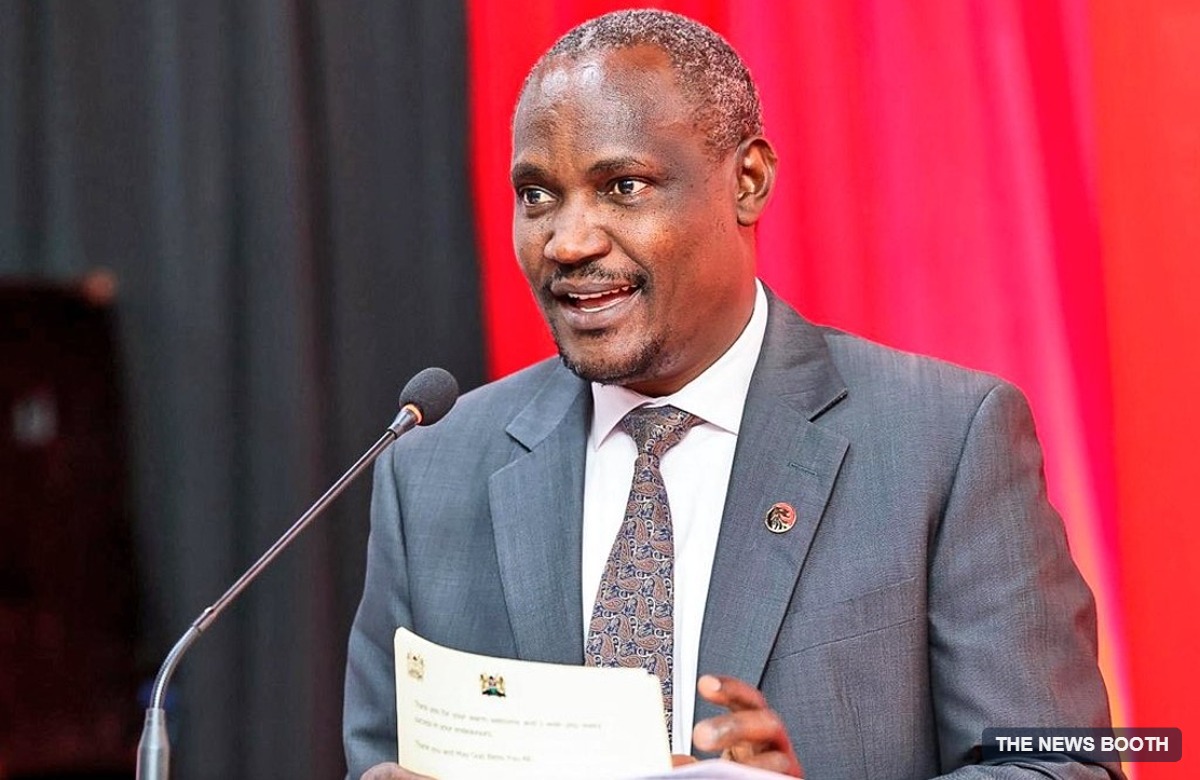
During the opening session, Sing'Oei called on both countries to translate their longstanding diplomatic relations into practical outcomes that improve the lives of their citizens, noting that the success of bilateral cooperation should be measured by its impact rather than the number of agreements signed.
"The true measure of our partnership lies not in the number of instruments signed, but in the results they deliver," Sing'Oei said.
He observed that Kenya and Zimbabwe share historical ties founded on solidarity, mutual respect and common African values, adding that the establishment of the Bi-National Commission would provide a stronger framework for political dialogue, economic diplomacy and institutional cooperation at the highest level.
Economic cooperation featured prominently in the discussions, with both sides identifying agriculture, manufacturing, mining, renewable energy, tourism, transport and the digital economy as priority sectors with significant potential for investment and commercial partnerships.
Sing'Oei also called for improved air connectivity, increased private sector participation and the removal of barriers that continue to constrain trade and investment between the two countries.
On his part, Chimbindi reaffirmed Zimbabwe's commitment to ensuring that diplomatic engagements translate into tangible benefits for ordinary citizens.
"What is in it for them?" he posed, urging technical teams to prioritise high-impact programmes capable of stimulating economic growth, creating employment opportunities and strengthening people-to-people relations.
The officials also reviewed progress in implementing existing bilateral agreements and called for the expedited conclusion and operationalisation of outstanding cooperation instruments covering security, education, healthcare, public service, infrastructure, environmental conservation, tourism and youth empowerment.
Beyond economic and diplomatic relations, the two countries reaffirmed their commitment to regional integration, peace and security through continental and regional institutions, including the African Union and the Common Market for Eastern and Southern Africa.
They also underscored the need for stronger African solidarity in multilateral engagements and reforms aimed at securing a more equitable and representative international system.
Speaking after his arrival in Nairobi, Mnangagwa said the elevation of the diplomatic framework demonstrated the growing strength of relations between the two countries.
He said the inaugural commission would focus on unlocking opportunities in trade and investment while deepening collaboration in agriculture, health, education, tourism, transport and defence.
The Zimbabwean leader expressed optimism that the deliberations would produce fruitful outcomes with direct socio-economic benefits for Kenyans and Zimbabweans.
Kenya says the engagement forms part of its commitment to results-oriented economic diplomacy, stronger African partnerships and sustainable development through mutually beneficial cooperation.
The inaugural Bi-National Commission is expected to provide strategic direction for the implementation of agreed priorities and establish a framework for sustained cooperation between Nairobi and Harare.