A new government report has exposed significant gaps in Kenya’s education sector, including poor internet connectivity, lack of electricity, inadequate learning facilities and limited support for learners with special needs.
The findings, contained in the 2024 Kenya School Census Report and the 2026 Mapping and Census of Technical and Vocational Education and Training (TVET) Institutions Report, are expected to guide government spending and investment in education.
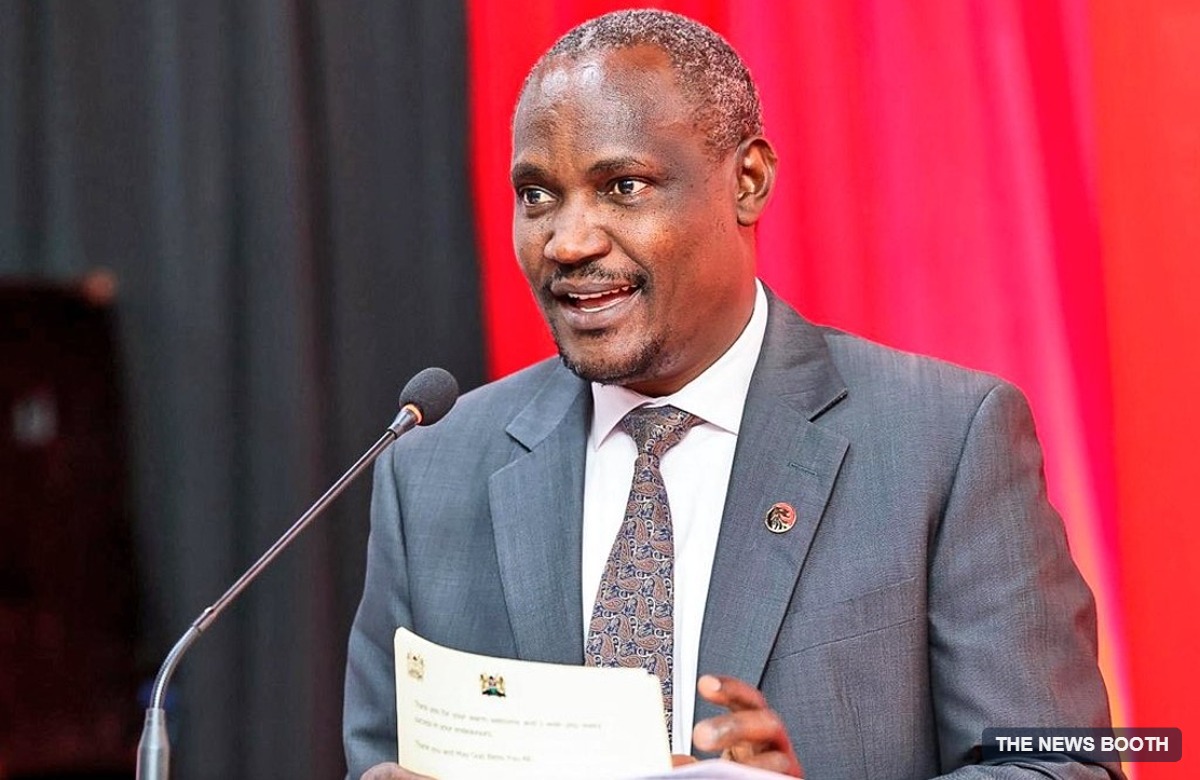
Speaking during the launch of the two reports, National Treasury Cabinet Secretary John Mbadi said the findings would help the government identify areas requiring urgent intervention and ensure public resources are directed where they are needed most.
The reports show that Kenya has 17.8 million learners enrolled in 121,873 basic learning institutions across the country.
They also establish that 965,154 trainees are enrolled in 4,679 TVET institutions, providing a national picture of the country's education and skills development system.
One of the major concerns highlighted in the reports is limited access to digital infrastructure.
According to Mbadi, only 19.6 per cent of schools are connected to the internet, while approximately half of vocational training centres have internet access.
He warned that the figures could undermine Kenya's ambitions of building a digitally skilled workforce capable of supporting the country's growing digital economy.
The reports also raise concerns about access to electricity, particularly in schools and vocational training institutions.
Nearly one in five schools, representing 18.8 per cent, has no source of lighting.
Additionally, 88 training institutions lack electricity, with 82 of them being vocational training centres.
Mbadi noted that the absence of electricity limits the ability of technical institutions to provide practical training in areas that require powered equipment and machinery.
The government has also been challenged to improve access to education for learners with disabilities.
The findings indicate that 99.1 per cent of schools do not have assistive devices or software to support learners with special needs and disabilities.
Furthermore, half of all training institutions lack accessibility features, raising concerns about equal learning opportunities.
The report also highlights pressure on classroom infrastructure, with secondary schools recording an average of 46 learners per classroom.
Mbadi said the findings would help the National Treasury and other government agencies determine where additional classrooms should be constructed and how teachers and trainers should be deployed.
He added that the data would inform decisions on school capitation, infrastructure development, school feeding programmes, bursaries and scholarships.
The Cabinet Secretary said the government was operating under a constrained fiscal environment, making it necessary to prioritise investments that deliver the greatest public benefit.
He linked the findings to the government's Bottom-Up Economic Transformation Agenda, particularly its focus on education, skills development, digital transformation and youth empowerment.
Mbadi further noted that 87.2 per cent of new jobs in Kenya are informal, arguing that improving education and technical skills would be important in preparing young people for better employment opportunities.
He said education and training would also play a central role in the country's development plans beyond the Kenya Vision 2030 framework.
The Treasury Cabinet Secretary called on county governments, development partners, industry players and education managers to use the findings when planning investments and improving service delivery.
He particularly urged businesses to strengthen partnerships with training institutions, noting that only 49.1 per cent of TVET institutions have documented collaborations with industry.
Mbadi said the reports should not remain reference documents but should instead guide practical decisions aimed at improving education and expanding opportunities for Kenyan learners.
He reaffirmed the National Treasury's commitment to strategic resource allocation to strengthen human capital, increase productivity and support the country's economic transformation.