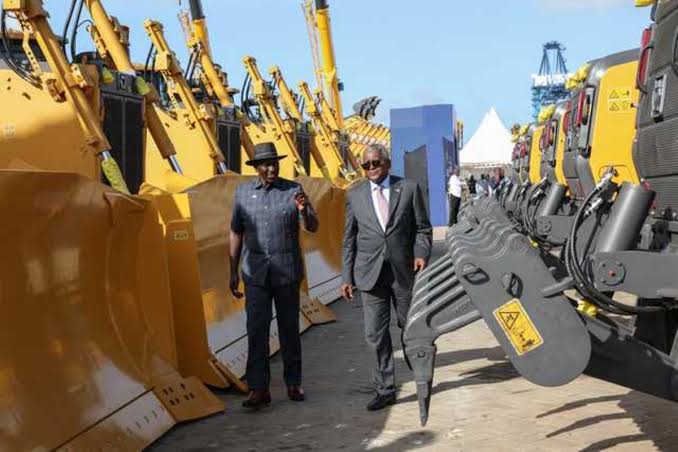
Nigerian industrialist Aliko Dangote is expanding his business interests in Kenya through major investments in energy, hospitality and petroleum infrastructure, following earlier difficulties establishing a cement factory in the country during the administration of former President Uhuru Kenyatta.
Dangote’s latest moves include acquiring a 24.76% stake in Kenya Pipeline Company (KPC) for approximately Sh42.5 billion and advancing plans for a large oil refinery in Lamu. The investments have brought renewed attention to his relationship with President William Ruto and the government’s efforts to attract major private-sector capital.
Dangote’s earlier attempt to establish a cement plant in Kitui encountered obstacles linked to obtaining a limestone mining licence. He has previously alleged that a government official sought a bribe to facilitate the process, although he has not publicly identified the official. The project was eventually put on hold, and Dangote established a cement plant in Tanzania instead.
Dangote has recalled that Ruto, then deputy president, helped him raise his concerns with Kenyatta. Since Ruto became president in 2022, the billionaire has returned to the Kenyan market with a series of investments.
In 2025, an investment vehicle linked to private equity firm Alterra Capital Partners acquired a majority stake in Java House Africa. The group later acquired Pollman’s Tours and Safaris in a transaction reported to be worth about Sh4 billion.
The planned Lamu refinery represents a much larger commitment. The project has been presented as a major investment intended to serve regional markets, while Dangote has also outlined plans to invest in expanding KPC’s pipeline network.
The pipeline stake gives Dangote a position in infrastructure that transports petroleum products from Mombasa to domestic and regional markets. He has described the acquisition and proposed network expansion as part of a broader strategy to strengthen petroleum distribution across Africa.
The scale of these investments suggests that Kenya has become a central part of Dangote’s regional growth plans. However, the projects also depend on financing, regulatory approvals, infrastructure delivery and commercial conditions.
The contrast between his earlier experience and current expansion has placed the relationship between government engagement and investment facilitation under scrutiny. Dangote’s case illustrates how access to decision-makers, the regulatory environment and the availability of infrastructure can influence where large investors choose to commit capital.
Whether the planned projects deliver their anticipated economic benefits will depend on execution, including construction progress, job creation, energy supply and the extent to which local businesses participate in the resulting opportunities.