About 1.7 million formal-sector workers in Kenya could become exempt from personal income tax under proposed changes to the tax bands, while employees earning more than Sh50,000 a month would pay higher taxes, according to Treasury proposals reported on October 22, 2026.
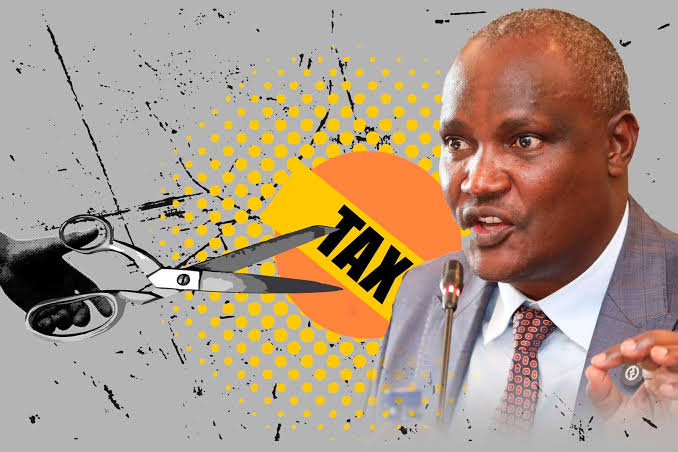
National Treasury Cabinet Secretary John Mbadi said the government plans to raise the monthly income threshold at which workers begin paying income tax from Sh24,000 to Sh32,333. The proposal would also remove the current Sh2,400 personal relief that offsets tax for eligible workers.
Under the proposed changes, the number of formal-sector workers exempt from income tax would increase from approximately 1.32 million to 1.69 million. The number of salaried workers liable for payroll tax would fall from about 2.14 million to 1.77 million, according to figures cited in the report.
Workers earning between Sh32,334 and Sh50,000 a month could see their monthly income tax reduced by as much as Sh596. However, those earning more than Sh50,000 would face higher deductions as the government seeks to offset the revenue impact of increasing the tax-free threshold.
Treasury estimates indicate that an employee earning Sh60,000 monthly could pay an additional Sh473 in income tax. A worker earning Sh100,000 could pay Sh892 more, while the increase for someone earning Sh200,000 could reach Sh3,867.
Mbadi said the government wanted to set the income tax rate at zero for monthly earnings of up to Sh32,333. He indicated that the proposals would be presented to Parliament for consideration, meaning the changes would require the relevant approval before taking effect.
The proposal comes amid concerns about the cost of living and the pressure that taxes and statutory deductions place on household incomes. Workers’ disposable income affects their ability to meet expenses, save and spend on goods and services.
The changes would redistribute part of the income tax burden, offering relief to lower-paid employees while increasing the contribution of higher earners. The final impact will depend on the legislation presented to Parliament and the provisions ultimately approved.
Until the proposed changes are enacted, workers should continue to follow the existing tax rules and wait for official implementation guidance from the relevant authorities.