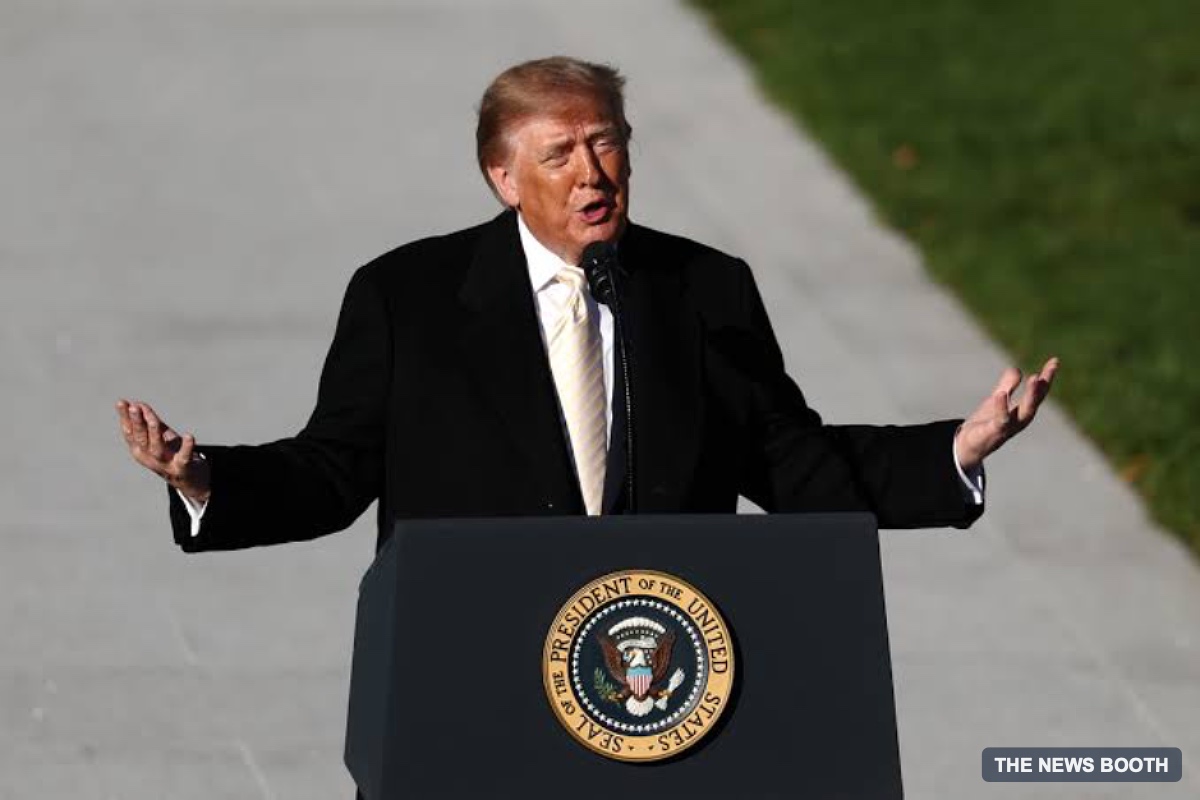
The United States has proposed new import tariffs on goods from China, the European Union and 12 other trading partners, reviving President Donald Trump's push to restrict foreign imports months after the Supreme Court struck down his earlier sweeping tariff measures.
The Office of the United States Trade Representative (USTR) announced the proposed duties on November 25, 2026, following an eight-month investigation into what Washington describes as structural excess industrial capacity in major trading economies.
The 14 targeted trading partners are China, Bangladesh, Cambodia, the European Union, India, Indonesia, Japan, South Korea, Malaysia, Singapore, Switzerland, Taiwan, Thailand and Vietnam. Mexico and Norway were investigated but were not included in the latest tariff proposals.
China faces an additional tariff of up to 20%, while the proposed rates for other economies vary according to products and existing trade agreements. Some Chinese imports could face total duties of up to 45% when combined with other applicable tariffs.
The US administration argues that subsidies, industrial policies and other trade practices in the targeted economies have encouraged excessive manufacturing output, allowing cheaper goods to enter international markets and putting American manufacturers at a disadvantage.
The proposed measures are being pursued under Section 301 of the Trade Act of 1974, which allows the US government to investigate and impose retaliatory trade measures against practices it considers unfair.
This legal route follows the Supreme Court's February 2026 decision blocking Trump's earlier broad tariffs imposed under the International Emergency Economic Powers Act. The ruling found that the emergency law did not give the president authority to impose the sweeping import taxes.
The latest proposals are not yet fully implemented. They will undergo a public notice and comment process, including a hearing, before any final duties take effect. US officials indicated that the process could delay implementation until January 2027.
The measures also come amid efforts to maintain trade agreements with affected economies. Washington says the proposed duties will respect negotiated tariff limits, including the 15% ceiling agreed with the European Union, Japan, South Korea and Taiwan.
For global businesses, the proposals introduce fresh uncertainty over sourcing, manufacturing locations and the cost of exporting to the US market. Importers may face higher costs on affected products, while manufacturers could reconsider supply chains to limit exposure to US trade restrictions.
Kenya is not among the economies directly targeted. However, changes in global trade flows could affect Kenyan businesses through competition from redirected exports, shifting commodity prices and changes in international supply chains.
The next key development will be the completion of the US public consultation process and publication of final tariff measures, which will determine the products covered and when the new duties take effect.