Kenya’s refugee-hosting counties are facing growing pressure to provide education for displaced children, with more than 300 refugees arriving daily and schools in Kakuma and Dadaab struggling with teacher shortages, inadequate resources and uncertain donor funding.
Dennis Mutiso, Deputy Director of Girl Child Network Kenya, warned that the rising number of children fleeing conflict-prone countries was threatening access to quality education, with some learners at risk of dropping out as their families struggle to meet basic needs.
He said the situation was particularly concerning in Kakuma Refugee Camp in Turkana County and Dadaab in Garissa County, where the growing population of displaced people was increasing demand for already stretched education services.
Mutiso said the challenge was compounded by insufficient teachers and limited resources, creating inequalities in the quality of education available to children in the two refugee-hosting counties.
He raised the concerns in Naivasha during an engagement to review the Learning, Equity and Protection for Crisis-Affected Children (LEAD) project, which seeks to address gaps in access to education for children affected by conflict.
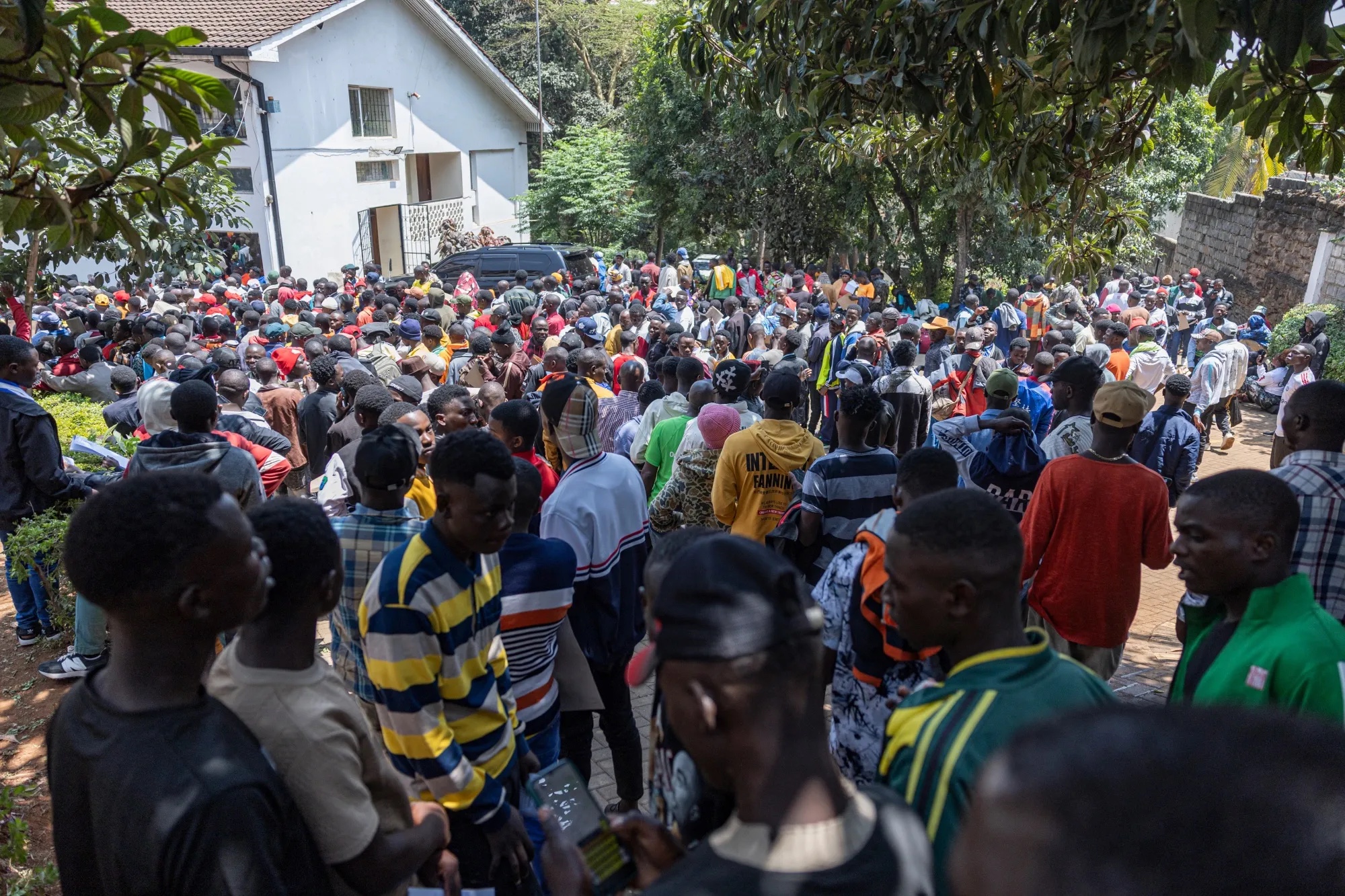
“The country is registering over 300 refugees each day, especially at Kakuma camp in Turkana and Dadaab in Garissa County, which is posing a challenge for children’s access to quality education,” Mutiso said.
Funded by Co-Impact, the project aims to strengthen Kenya’s public education system to better serve children affected by conflict, with a focus on those aged between four and 17 years.
Mutiso said the initiative would address gaps in data on affected children and school dropout rates in the two counties, while seeking to improve teacher-to-student ratios in institutions facing staffing shortages.
It will also advocate for sustained government budget allocations to ensure education programmes serving vulnerable children are not disrupted when donor funding runs out.
The concerns come against the backdrop of a significant refugee population in the two counties. Government and United Nations High Commissioner for Refugees (UNHCR) registration data showed that Garissa hosted 438,964 refugees and asylum-seekers, while Turkana had 329,652 as of October 31, 2026.
The pressure on education is further reflected in UNHCR estimates that approximately half of school-age refugees in Kenya remain out of school. Enrolment also declines significantly at secondary level, while opportunities for post-secondary education remain limited.
The UN refugee agency says most refugee and asylum-seeking learners are served through education institutions in Dadaab, Kakuma and Kalobeyei, but barriers including inadequate education facilities and socio-economic challenges continue to affect access.
Hesboners Luke, Head of Programmes at Deaf Empowerment Kenya (DEK), said sustainable financing was necessary to ensure schools in Garissa and Turkana continued supporting children from vulnerable households even when development partners withdrew their funding.
He noted that although many learning institutions received government support, they remained heavily dependent on donor-funded programmes, making their operations vulnerable whenever external assistance ended.
Luke said some development partners only financed specific components of school programmes, particularly feeding initiatives, leaving institutions struggling to sustain the services when such support was withdrawn.
“We want to strengthen the system so that the government can plan and, even if donors from outside withdraw, learners continue to be fed in their institutions,” he said.
He added that the initiative would push for better financing mechanisms to enable national and county governments to incorporate school feeding programmes into their budgets and sustain support for learners from needy families.
Luke also identified inadequate data for planning and low teacher retention as major challenges affecting education delivery in the two counties.
He said environmental conditions and conflict-related pressures made it difficult for teachers to remain in the areas for extended periods, disrupting learning and affecting the quality of education.
He called on the government to prioritise the deployment of more teachers to Garissa and Turkana, alongside adequate resources, improved working conditions and security measures to encourage them to remain in the regions.
The push for sustainable financing comes as Kenya seeks to strengthen the inclusion of refugees and host communities in public services, with education remaining a critical part of efforts to ensure displacement does not deny children opportunities to learn and build their futures.