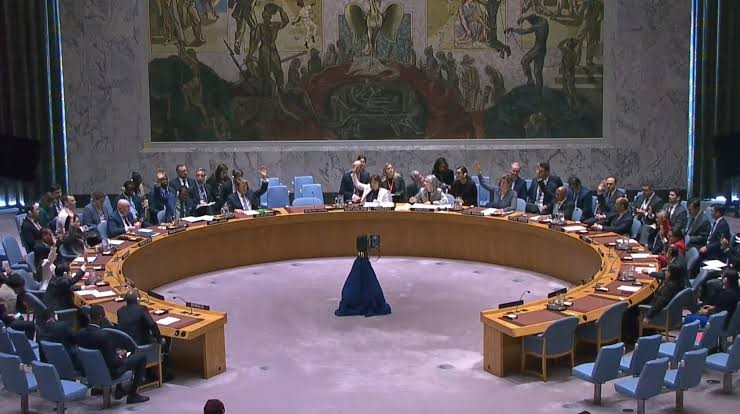
The United Nations Transitional Assistance Mission in Somalia (UNTMIS) has officially ceased operations, marking the end of more than three decades of UN political missions supporting peacebuilding, governance, reconciliation and state-building in the Horn of Africa nation.
The mission completed its two-year transition and closed on October 31, 2026, in accordance with United Nations Security Council resolutions 2753 (2024) and 2809 (2025), following a request by the Federal Government of Somalia.
In a statement delivered by UN Secretary-General António Guterres' spokesperson, Stéphane Dujarric, the UN said the closure followed a jointly agreed transition roadmap under which the mission's mandated responsibilities were transferred to Somali institutions and UN agencies, funds and programmes.
The transition is intended to strengthen national ownership of Somalia's peacebuilding and state-building agenda, with local institutions assuming greater responsibility for functions previously coordinated through the mission.
Guterres commended the progress Somalia has made over the past decades in rebuilding peace and security, while acknowledging the determination and resilience of its people despite persistent challenges.
He said the United Nations would maintain its presence in the country through resident agencies, funds and programmes, working alongside Somali authorities, the African Union and other international partners.
The Secretary-General emphasised that the closure of UNTMIS did not signal the end of international engagement with Somalia, noting that significant political, security, humanitarian and development challenges remain.
He called for sustained international support to consolidate the gains made, promote inclusive political dialogue and reconciliation, strengthen state institutions and protect human rights.
Guterres also underscored the need for continued assistance in addressing the threat posed by Al-Shabaab and supporting a gradual and sustainable security transition.
Al-Shabaab, an armed group linked to Al-Qaeda, has continued to pose a major security challenge to Somalia, carrying out attacks against government institutions, security forces and civilians.
In his message, the UN chief expressed gratitude to successive Special Representatives of the Secretary-General, national and international personnel who served under UNTMIS and its predecessor missions, as well as other individuals who contributed to peace and state-building efforts.
He paid special tribute to United Nations personnel who lost their lives while serving in Somalia, acknowledging the difficult conditions under which they carried out their assignments.
In a separate message shared on social media, Guterres reiterated that the United Nations would continue supporting Somalia through its resident agencies and programmes in partnership with the government, the African Union and other international partners.
He said the progress achieved reflected the resilience of the Somali people but cautioned that continued international support would be necessary to address outstanding challenges.
The closure of UNTMIS follows a transition process aimed at shifting greater responsibility for governance, political engagement and peacebuilding to Somali institutions while maintaining UN support through its broader country presence.
Guterres reaffirmed the United Nations' commitment to supporting Somali-led efforts to build a peaceful, stable and prosperous future.