The United Arab Emirates has offered to sell nearly 1.9 million barrels of Saudi crude oil recovered from a supertanker struck by an unidentified projectile off its coast, highlighting the growing disruption to energy shipments in the Gulf.
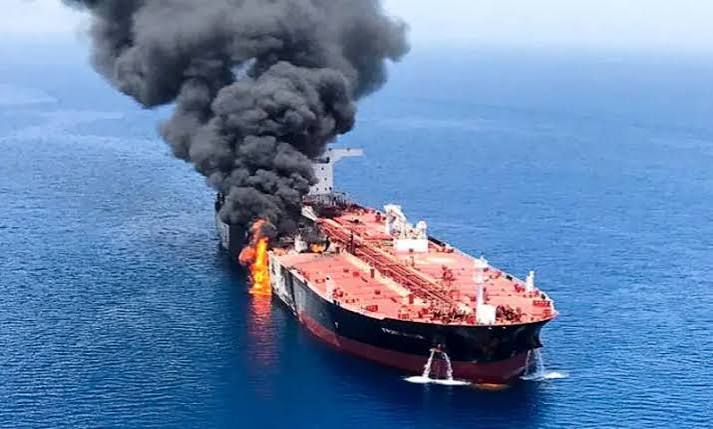
A tender document reviewed shows the UAE is marketing up to 1.87 million barrels of Saudi Arabia's Arab Light crude carried aboard the Panama-flagged tanker Gem No. 2.
The vessel was hit by an unidentified projectile on October 9, approximately 13 nautical miles west of Al Jazeera in the UAE. The attack triggered a fire aboard the fully loaded tanker and resulted in an oil leak.
The UAE authorities subsequently said the leak had been stopped in late October, although coastal clean-up operations have continued.
The oil sale is unusual because the UAE is marketing crude belonging to another major Gulf producer. A trading source told Reuters that Saudi Aramco had authorised the transaction on its behalf.
The tender identifies the UAE Ministry of Energy and Infrastructure as the seller, under judicial supervision by the UAE Federal Public Prosecution.
The crude was offered for loading between November 10 and 20 through a ship-to-ship transfer inside the Gulf. The tender closed on Monday, November 9.
The transaction provides a route for recovering commercial value from oil stranded aboard a damaged vessel rather than leaving the cargo tied up indefinitely by the incident and subsequent clean-up operations.
However, the sale also illustrates the complications facing Gulf oil exporters as attacks on commercial shipping increase the risks associated with transporting crude through the region.
The Strait of Hormuz and surrounding Gulf waters are critical to international energy markets, connecting major oil-producing countries with buyers in Asia and other regions.
Since the escalation of the US-Israeli war with Iran, attacks and threats against commercial vessels have increased shipping uncertainty, pushing up security and insurance costs.
Saudi Arabia and the UAE have been seeking ways to maintain exports despite the disruption. Traders have also reported that Gulf producers are offering buyers incentives, including freight discounts, to keep oil moving.
The environmental consequences are another concern. Oil leaks from damaged tankers threaten coastal ecosystems, fisheries and marine infrastructure. The UAE has recently closed beaches after detecting oil contamination, although authorities have not established that every incident is linked to the Gem No. 2.
The sale of the recovered Saudi crude therefore reflects two challenges facing the Gulf energy industry: preserving export revenues amid heightened maritime insecurity and managing the environmental and financial costs of attacks on oil shipments.