The National Treasury is pursuing toll-road concession arrangements worth approximately Sh42.26 billion for bypass projects in Nairobi and Mombasa as the government seeks alternative ways to finance road infrastructure, maintain existing highways and reduce pressure on public funds. The proposals cover the operational Nairobi Southern Bypass and the planned Mombasa Northern Bypass.
Treasury disclosures indicate that the Nairobi Southern Bypass is earmarked for a Sh12.265 billion operations, maintenance and tolling concession. The planned Mombasa Northern Bypass has a proposed investment value of Sh30 billion under a financing model combining user tolls with viability gap funding.
Under a toll concession, motorists who use a road pay a fee that can contribute to its maintenance, operation or construction costs. The approach is intended to reduce reliance on general government revenue, although the charges introduce an additional expense for road users.
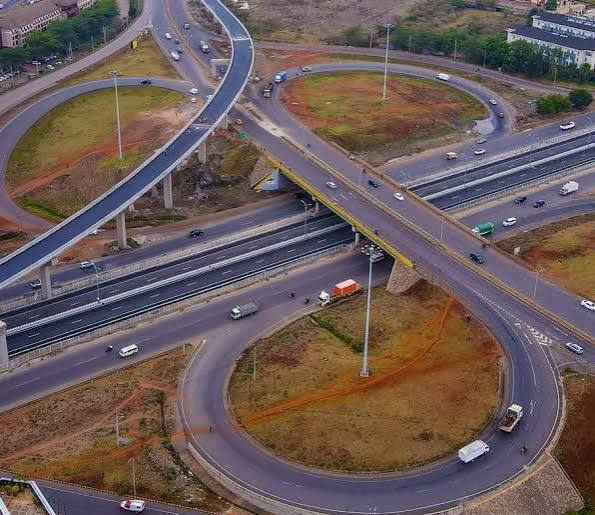
The 28.6-kilometre Nairobi Southern Bypass links parts of Nairobi and Kiambu counties through areas including Lang’ata and Kikuyu. The road is already in use, and the Kenya National Highways Authority has proposed introducing tolls, subject to government approval.
The proposed arrangement would shift some of the costs associated with operating and maintaining the road towards motorists who use it. The final impact on drivers will depend on the approved concession terms, toll rates and applicable exemptions.
The Mombasa Northern Bypass, meanwhile, is a planned 38.6-kilometre infrastructure project intended to improve movement around Mombasa and ease congestion affecting road users and freight transport. Its main section is expected to connect the Mombasa–Nairobi Highway at Miritini with the Mombasa–Malindi Road at Kwa Kadzengo, Mtwapa. A separate 11.5-kilometre Bamburi Link Road forms part of the project.
The proposed user-toll and viability gap funding model would combine private investment with government support. Private investors would recover part of their investment through toll revenue, while public funding would help bridge the gap between project costs and what user charges alone could finance.
The proposals come as Treasury estimates a road infrastructure funding deficit of Sh1.5 trillion over five years and Sh4 trillion over a decade. The government has also been developing a tolling policy to establish a framework for road-user charges.
The Nairobi Expressway already uses toll charges based on travel distance and vehicle category. Other roads, including the Dongo Kundu Bypass in Mombasa, have also featured in discussions on toll-based financing.
The Southern and Northern Bypass proposals remain distinct in their status: one concerns a completed road, while the other is planned infrastructure. Their eventual implementation will depend on approvals, concession arrangements and project financing details.
For motorists, the central issue will be how the charges are structured and whether improvements in road maintenance, traffic flow and freight movement justify the additional cost of using the routes.