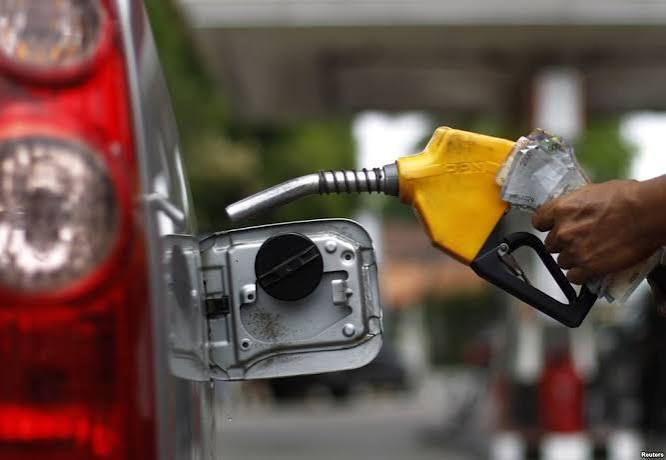
Kenya passed on up to 62% of increases in international fuel costs to consumers between February and September 2026, as the government used tax reductions and price-stabilisation measures to cushion households and businesses against higher petroleum prices. An analysis of fuel-price adjustments by the International Monetary Fund (IMF) showed that the proportion differed between petrol and diesel.
The IMF analysis found that Kenya passed through 52% of changes in the landed cost of super petrol to retail prices, while the pass-through rate for diesel reached 62%. The figures indicate that domestic pump prices reflected only part of the increase in international costs during the period examined.
The level of pass-through varied across countries. Rwanda recorded pass-through rates of 125% for petrol and 111% for diesel, while Tanzania recorded 67% for petrol and 65% for diesel. Ethiopia had lower rates of 38% for petrol and 44% for diesel, indicating a different approach to cushioning consumers from rising costs.
Kenya relied on a combination of the fuel stabilisation fund and a reduction in value-added tax on petroleum products from 16% to 8%. These measures helped limit the impact of higher international prices on local consumers, although they also reduced government revenue and required public resources to support price relief.
The petroleum development levy, which contributes to the stabilisation fund, is charged at Sh5.40 per litre of petrol or diesel and Sh0.40 per litre of kerosene. Such mechanisms can help smooth changes in pump prices, but their effectiveness depends on the amount of funding available and the scale of increases in landed fuel costs.
Data from the Energy and Petroleum Regulatory Authority showed that landed petrol costs rose by 64.6% between January and July, while diesel costs increased by 36.5%. Over the same period, retail prices in Nairobi rose by 20% for petrol and 30.8% for diesel, illustrating the difference between international costs and domestic prices.
The support measures were not sufficient to prevent subsequent increases. In the October 15 to November 14 pricing cycle, super petrol in Nairobi rose by Sh12.93 to Sh226.96 per litre, while diesel increased by Sh9.90 to Sh227.76 per litre. No stabilisation subsidy was applied to either product in that review, although the reduced VAT rate remained in place.
The National Assembly voted to extend the VAT reduction for a further three months. The move was expected to reduce government revenue by an estimated Sh27 billion, while the broader intervention had already imposed substantial fiscal costs.
The IMF has argued that broad fuel-price relief can benefit wealthier households disproportionately because they generally consume more fuel. It has recommended targeted support for vulnerable groups, with transparent budgets and clear time limits for subsidies and tax relief.
For Kenya, the challenge is balancing the immediate need to contain fuel costs against the cost of supporting prices through public finances. Future policy decisions will affect consumers, transport operators, fuel importers and the government’s ability to fund other public services.