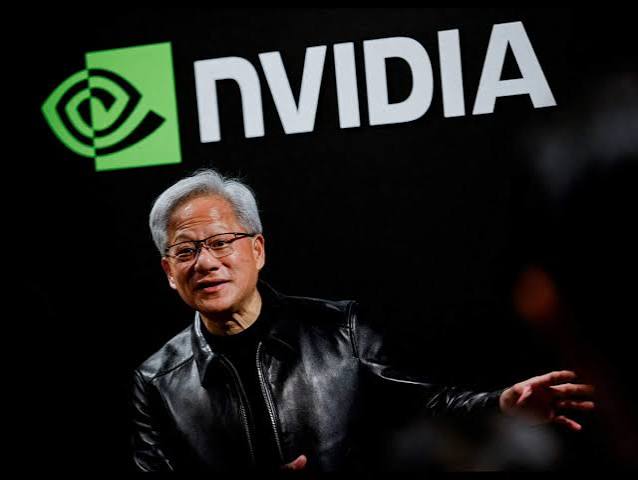
Nvidia has launched an independent investigation into reports that its founder and chief executive, Jensen Huang, was targeted by a foreign intelligence operation, while reaffirming that he will continue leading the chipmaker without interruption.
In a statement issued on Sunday, November 8, the company’s board said it had no reason to believe that Nvidia’s trade secrets or US national security had been compromised. However, it said the investigation would examine all available information surrounding the allegations.
The inquiry will be overseen by a committee of independent directors, supported by external independent legal counsel. Huang has backed the review and committed to cooperating fully, according to the company.
Nvidia also expressed confidence in Huang and his leadership team, signalling that the investigation had not triggered an immediate change in the company’s management.
“Today’s news will not slow NVIDIA. Jensen is committed to continuing to lead NVIDIA as CEO without interruption,” a company spokesperson said.
The investigation follows reporting by The New York Times alleging that US intelligence officials had examined Huang’s relationship with Alice Huang, a former executive at Singapore-based data centre company Megaspeed. The woman, who is not related to the Nvidia founder, was reportedly suspected by US authorities of gathering information for China.
Megaspeed has also faced scrutiny over allegations that it helped obtain advanced Nvidia chips that are restricted from export to China. The allegations have raised questions about whether sensitive commercial or technological information could have been exposed through the reported relationship.
Huang has acknowledged being unfaithful to his wife and apologised to his family and colleagues. In a message to employees, he said he took responsibility for his actions and remained committed to Nvidia and supporting US national security.
The controversy comes as Nvidia occupies a central position in the global artificial intelligence industry. Its advanced processors are widely used to develop and operate AI systems, making the company a key player in the technological competition between the United States and China.
The allegations could therefore attract scrutiny beyond Nvidia’s corporate governance, particularly around the protection of sensitive technology and compliance with US export restrictions.
China rejected the espionage allegations on Monday, with its Foreign Ministry describing the claims as unsubstantiated and a smear campaign against Beijing.
Nvidia’s board has not announced a timeline for completing its investigation. It said it would provide further updates when appropriate, leaving investors and industry observers waiting for the findings of the review.