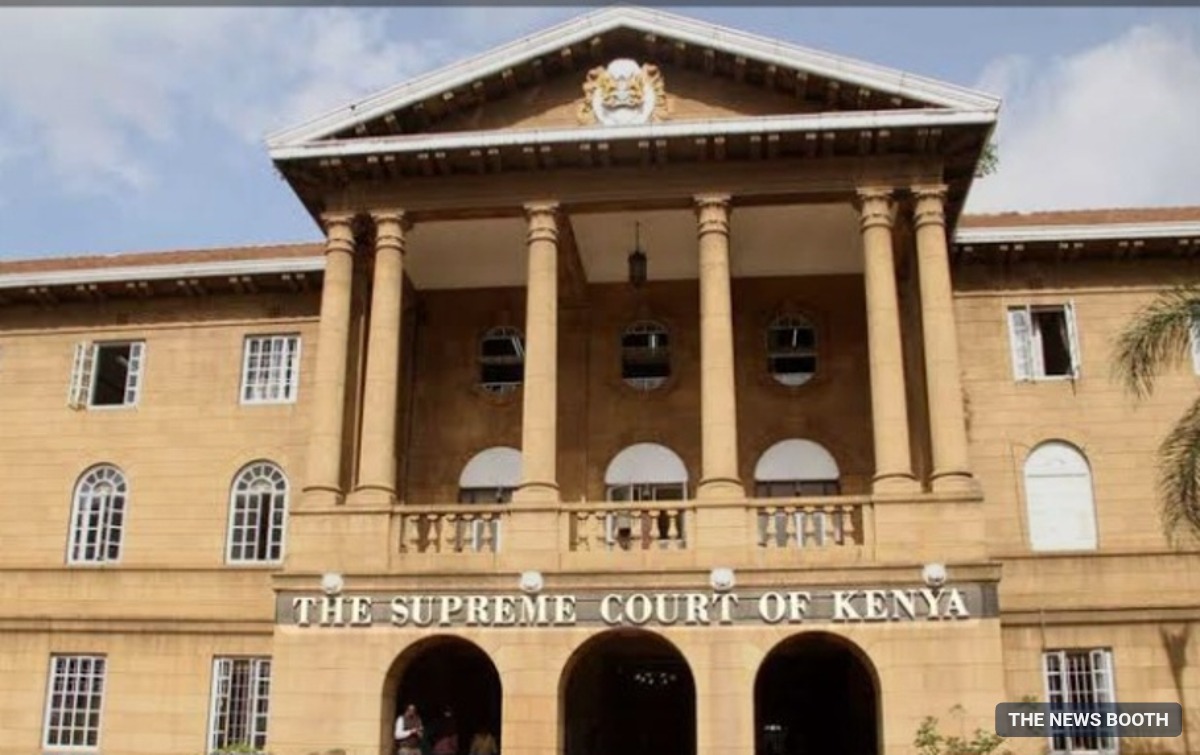
The Supreme Court of Kenya is scheduled to hear the National Government Constituencies Development Fund (NGCDF) case on Thursday, November 26, 2026, in proceedings that could have implications for the management of public resources and the relationship between national and county governments.
The hearing is set to begin at 9:00 am before a seven-judge bench, following a Court of Appeal decision that overturned an earlier High Court ruling declaring the NGCDF Act unconstitutional.
The case centres on the legality of the fund and whether its operations comply with the Constitution, particularly on devolution, separation of powers, public finance accountability and the division of responsibilities between the national and county governments.
In September 2024, the High Court declared the NGCDF Act unconstitutional in its entirety after finding that it violated several constitutional principles.
However, on February 6, 2026, the Court of Appeal overturned that decision, ruling that the Act did not violate the principles of devolution or the constitutional division of functions between the two levels of government.
The appellate court, however, declared Section 43(9) of the Act unconstitutional. The provision linked the tenure of constituency fund managers to the term of Parliament and election transition periods.
The decision prompted petitioners Wanjiru Gikonyo and Cornelius Oduor Opuot to challenge the Court of Appeal ruling at the Supreme Court, setting the stage for the latest proceedings.
The Supreme Court will now consider the appeal and the constitutional questions surrounding the fund. The outcome will determine the next direction of the long-running legal dispute over the NGCDF framework.
The issues highlighted ahead of the hearing include the future of devolution and the protection of county government functions, as well as the role of Members of Parliament in constituency development projects.
Another key concern is the separation of powers, particularly the extent to which legislators should be involved in activities relating to the implementation of development projects.
Public finance accountability is also expected to feature prominently, including the role of the Senate in legislation affecting county governments and the management of public resources.
The constitutional principles of equity, transparency and accountability in the allocation and use of public funds are among the other matters drawing attention to the case.
Transparency International Kenya has urged members of the public to follow the proceedings, noting that the issues before the court have wider implications for governance and accountability.
The hearing is expected to provide an opportunity for the parties to present their arguments before the country's highest court. However, the final determination will rest with the Supreme Court.
Kenyans have been invited to follow the proceedings through a Microsoft Teams link shared by Transparency International Kenya as the legal battle over the constituency development fund enters another stage.