Sudan has officially lifted its ban on Kenyan tea imports, ending a 20-month trade restriction that disrupted exports and left millions of kilogrammes of tea stranded in Mombasa.
The decision was formalised through Ministerial Order No. 25 of 2026, signed by Sudan's Minister of Industry and Trade, Mahasin Ali Yaqoub, on November 8, allowing Kenyan tea imports to resume with immediate effect.
The order, titled Lifting of the Ban on Tea Imports from Kenya, followed approval by Sudan's Sovereignty Council through a letter dated November 2 and a subsequent Cabinet communication issued on November 5.
Sudan imposed the ban on March 11, 2025, suspending imports of all Kenyan products through its ports, airports and land border crossings following a diplomatic fallout with Nairobi.
The dispute arose after Kenya hosted meetings involving Sudan's paramilitary Rapid Support Forces (RSF) and allied political groups in February 2025. The meetings resulted in the signing of a political charter aimed at establishing a parallel government in Sudan, prompting Khartoum to accuse Nairobi of interfering in its internal affairs.
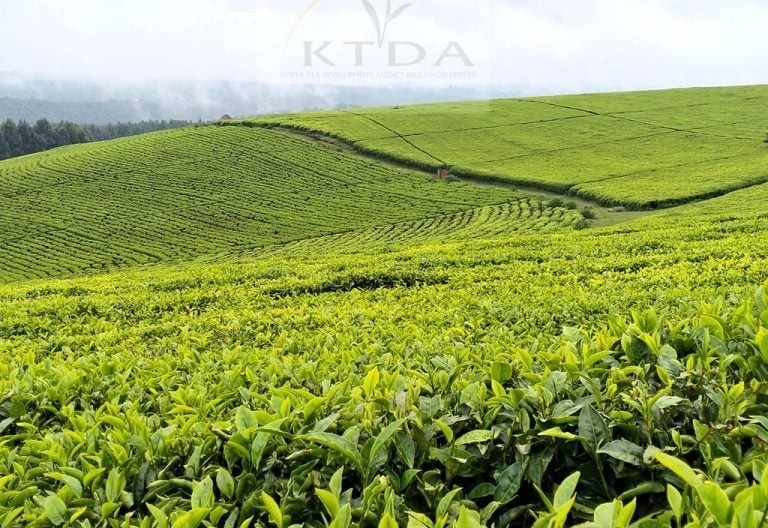
The restrictions dealt a significant blow to Kenya's tea export business, with more than 207 forty-foot containers of tea reportedly stranded along the supply chain after Sudan halted imports.
East Africa Tea Trade Association (EATTA) Managing Director George Omuga previously disclosed that more than 3.44 million kilogrammes of tea valued at over US$10.3 million remained in Mombasa warehouses as of August 2026.
The consignments had been specially blended and branded for the Sudanese market, making it difficult for exporters to redirect them to alternative destinations. The disruption also affected auction prices and reduced earnings for traders and farmers.
Sudan had been an important destination for Kenyan tea before the restrictions. In August 2026, Wiper Patriotic Front leader Kalonzo Musyoka cited annual purchases of approximately 35 million kilogrammes valued at KSh9 billion when appealing to Sudanese authorities to restore trade.
His appeal followed a meeting with Sudanese Ambassador to Kenya Kamal Gubara, as pressure mounted on both governments to resolve the dispute.
Diplomatic engagement continued in subsequent months, with the Sudanese ambassador indicating in October that discussions on lifting the restrictions had reached their final stages.
The reopening now gives Kenyan exporters an opportunity to reconnect with Sudanese buyers and restore commercial relationships disrupted by the ban.
However, the return to previous export levels will depend on renewed orders, the pace of shipments and the ability of traders to rebuild business with Sudanese importers.
While the ministerial order authorises the resumption of imports, it does not specify the volume of tea Sudan expects to purchase or when the first new shipments will arrive.
The decision marks a significant development in efforts to restore trade relations between Kenya and Sudan, reopening an important export destination for the country's tea industry.