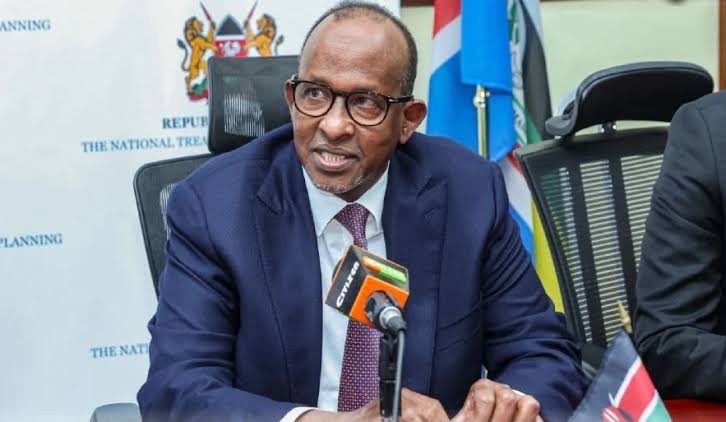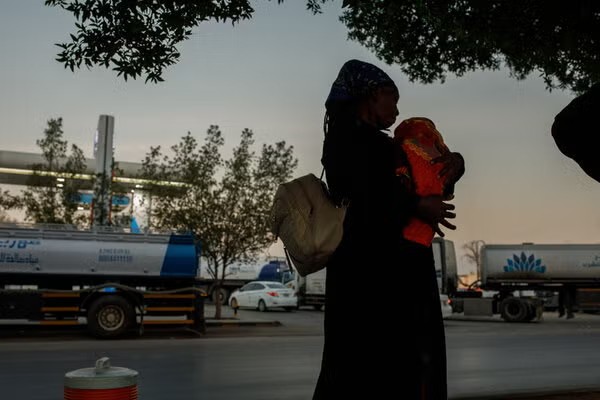
Kenya has responded to the sentencing of a Kenyan mother in Saudi Arabia to 100 lashes and one year of banishment, with Foreign Affairs Principal Secretary Korir Sing'Oei expressing concern over the punishment while acknowledging the kingdom's judicial sovereignty.
In a statement shared on X on Wednesday, November 11, Sing'Oei described the punishment as one that would constitute cruel and inhuman treatment under Kenya's jurisdiction.
"Saddened by what would constitute ‘cruel and inhuman’ punishment under our jurisdiction, but respectful of the sovereignty of Saudi legal system. We shall continue to work with our counterparts on these complex arenas of judicial enforcement," he stated.
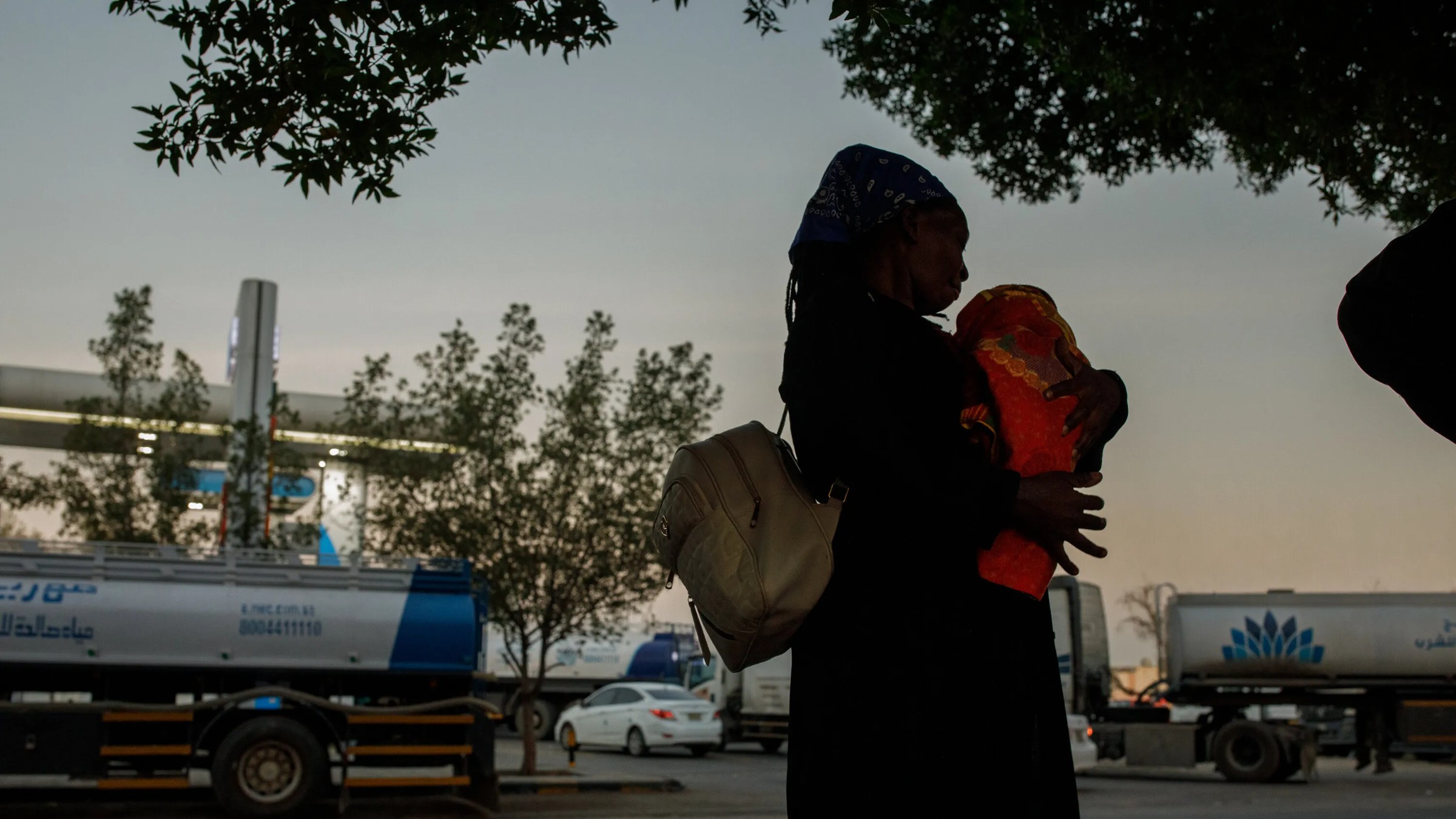
His remarks followed an investigation by The New York Times, published on November 10, which detailed the circumstances surrounding the case involving Esther Wanja Muthoni, a 40-year-old Kenyan domestic worker who has been unable to return home with her youngest child.
Muthoni was convicted by a three-judge panel at a criminal court in Riyadh in October after being found guilty of having sex outside marriage. The court imposed 100 lashes and one year of banishment under its interpretation of Islamic law.
The mother of five became pregnant following a brief relationship with an Egyptian man while working legally as a domestic worker in Saudi Arabia. She gave birth to her son, Abudy, in August 2025 at staff accommodation, before a supervisor discovered the mother and child and took them to hospital.
Police subsequently detained her for questioning over the pregnancy. According to the account she gave authorities, the child's father had already left Saudi Arabia.
Muthoni reportedly attended the court proceedings with a translator but without legal representation. The judgment also did not indicate that authorities had pursued the child's father.
She had been trying to return to Kenya with her son for more than a year but could not leave while the criminal proceedings were ongoing. Although the Kenyan Embassy had previously issued travel documents for the mother and child, the documents expired before the case was concluded.
Speaking to The New York Times, Muthoni expressed fear over the sentence, saying she did not believe she could endure the punishment. She did not appeal the conviction, explaining that returning home to reunite with her other children was her priority.
The case has also renewed scrutiny of Saudi Arabia's position on corporal punishment. In 2020, the kingdom announced restrictions on flogging for certain offences, although exceptions remain for offences attracting fixed punishments under its interpretation of Islamic law.
Meanwhile, Kenya's Foreign Affairs Ministry has previously acknowledged challenges involving Kenyan mothers with undocumented children in Saudi Arabia.
In a November 2025 briefing, the ministry disclosed that a joint interdepartmental working group involving the Kenyan Embassy and Saudi government agencies had facilitated the safe repatriation of 59 mothers and 73 children through emergency travel documents.
The ministry also reported collecting 707 DNA samples through its Mobile Consular Services initiative to verify parenthood and facilitate the processing of birth certificates.
However, it remains unclear when Muthoni's sentence will be implemented or whether the one-year banishment will result in her deportation to Kenya. Sing'Oei's statement did not specify the diplomatic measures being pursued in her individual case.