A new study by the Kenya Veterinary Association (KVA) has raised concerns over bacterial contamination and antibiotic resistance in chicken meat sold across retail outlets in Nairobi County.
The findings point to potential food safety risks, with researchers detecting bacteria associated with foodborne illnesses in a majority of the chicken meat samples examined.
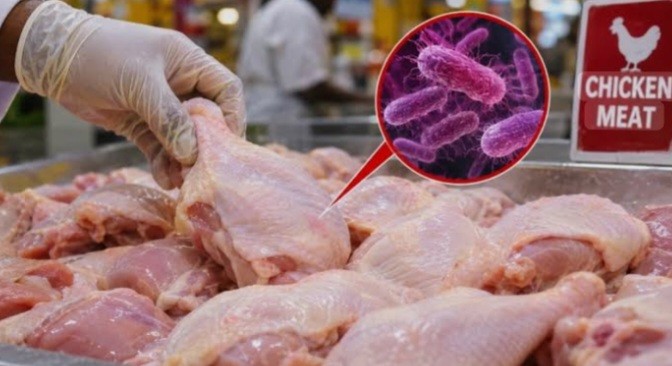
The study assessed 264 retail establishments and found that most of the sampled chicken meat contained *E. coli*, while more than a third tested positive for *Staphylococcus aureus*. Nearly 10 per cent of the samples were also found to contain *Salmonella*.
Concerns over antibiotic resistance
Of particular concern was the level of antibiotic resistance detected in the E.coli bacteria. About half of the isolates were resistant to three or more classes of antibiotics, raising fears that infections resulting from contaminated food could become harder to treat.
The findings have also brought attention to hygiene and food storage practices among chicken meat retailers, with researchers identifying gaps that could contribute to contamination.
More than half of the outlets assessed were found to store chicken meat at room temperature instead of using refrigeration. Nearly 75 per cent also lacked handwashing facilities, raising concerns about how meat is handled before it reaches consumers.
Call for improved hygiene standards
The Kenya Veterinary Association President, Dr Kelvin Osore, has called for stronger food safety inspections and improved hygiene standards across the poultry supply chain.
Osore also urged retailers to adopt proper refrigeration practices to reduce the risk of bacterial growth and contamination during the storage and handling of chicken meat.
The study highlights the importance of food safety measures at every stage, from production and transportation to storage and sale, as consumers continue to rely on retail outlets for poultry products.
Tax compliance for farmers
Meanwhile, the Kenya Revenue Authority (KRA) has urged farmers supplying factories and businesses to adopt its electronic Tax Invoice Management System (eTIMS) reverse invoicing option to make tax compliance easier.
The system allows buyers, including businesses and factories, to generate electronic invoices on behalf of farmers who may not have the capacity to issue them directly.
KRA Commissioner for Micro and Small Taxpayers George Obell said the arrangement would help improve the documentation of transactions between farmers and buyers.
He noted that proper electronic invoicing would also enable businesses to record their purchases and claim legitimate expenses when filing their tax returns.
The authority said the system was intended to make it easier for farmers to participate in formal supply chains without facing difficulties associated with issuing electronic tax invoices.
KRA also announced that it currently processes approximately Sh3 billion in Value Added Tax (VAT) refunds every month.
According to the authority, qualifying refund claims take about five days to process, a move aimed at improving efficiency and easing the burden on eligible taxpayers.
The two developments highlight ongoing concerns around consumer safety and business compliance, with the veterinary association calling for better food handling practices while KRA seeks to simplify tax processes for farmers and businesses.