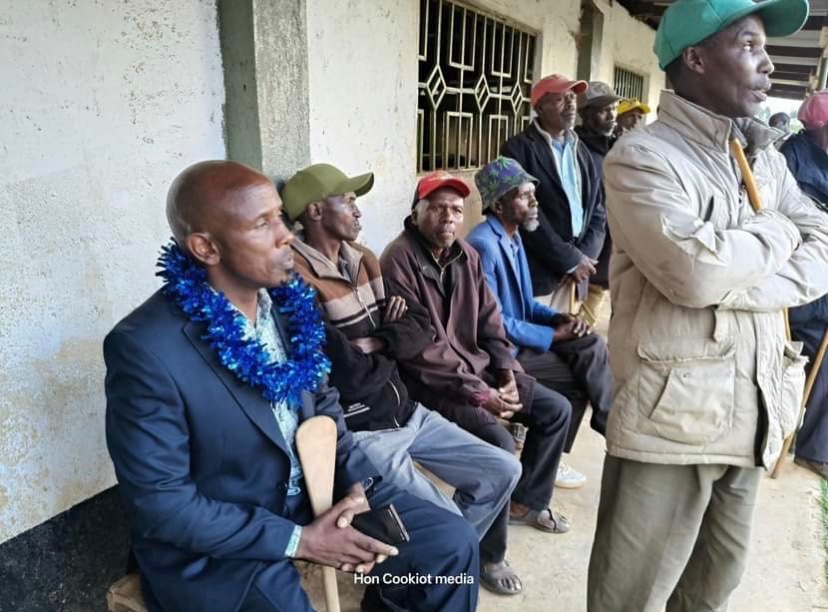
Residents of Kapkures and Kaplamboi in Kuresoi South Sub-County, Nakuru County, have threatened mass demonstrations over the resurgence of illicit alcohol, accusing local administrators and village elders of failing to address the growing problem despite its impact on families and young people.
The residents, led by Josphat Kipkurui and women under the leadership of Sally Chepkoech, made the demands during a heated community meeting in Kapkures/Kaplamboi, Amalo Ward, where they called for urgent government intervention to stop the sale and consumption of the suspected killer brews.
They alleged that known brewers had continued operating because of protection from individuals who allegedly collect fees to shield them from enforcement, raising concerns about possible complicity among those expected to help eradicate the illegal trade.
The meeting reportedly became tense, with a section of village elders and local administration officials forced to leave as angry residents confronted them over what they described as their failure to act.
The residents specifically questioned why village elders, despite receiving stipends, and the local administration led by the area chief had allegedly turned a blind eye to the rising cases of illicit alcohol consumption.
The concerns were heightened by the reported disappearance of a 28-year-old man who allegedly consumed excessive amounts of the illicit brews before going missing for eight days. He was eventually found alive in the Mau Forest near Kaplamboi following an extensive search, according to accounts shared by residents.
Women who spoke during the meeting expressed particular concern about the effects of alcohol abuse on children and young people, warning that the situation was threatening the future of the community.
One resident, identified as Tabsalbei, said the problem had reached a point where families were struggling to protect their children from alcohol consumption.
“We no longer need illicit brews and there are no longer children in ECD schools and nearly all homes, both boys and girls, are drunkards,” Tabsalbei said.
Tabsalbei further warned that the future of young people in Kapkures and Kaplamboi was hanging in the balance if the known brewers were allowed to continue their activities.
The angry mothers called for the removal of individuals they accused of enabling the trade, insisting that the community could no longer tolerate the continued availability of illicit alcohol in their villages.
They appealed to Kuresoi South Deputy County Commissioner Malak Namai and Nakuru County Commissioner Lyford Kibaara to intervene, investigate the allegations and ensure those involved in the illegal trade are held accountable.
The residents also warned that they would organise a major demonstration if the authorities failed to respond to their concerns, maintaining that decisive action was necessary to protect children and restore order in the affected villages.
Their complaints come against the backdrop of previous government warnings over alleged protection arrangements involving illicit alcohol dealers in Nakuru County.
In December 2025, County Commissioner Lyford Kibaara warned administrators and security officers against colluding with illicit alcohol brewers, specifically cautioning against the collection of protection fees in exchange for information about planned enforcement operations.
In July 2026, Interior Cabinet Secretary Kipchumba Murkomen also ordered a security operation targeting illicit alcohol and drug trafficking in Keringet, Kuresoi South, amid concerns about the persistence of illegal brewing and distribution activities.
However, the latest allegations by Kapkures and Kaplamboi residents underline continued concerns over the effectiveness of enforcement efforts and the need for authorities to establish whether illegal brewers are receiving protection from individuals within local administrative structures.