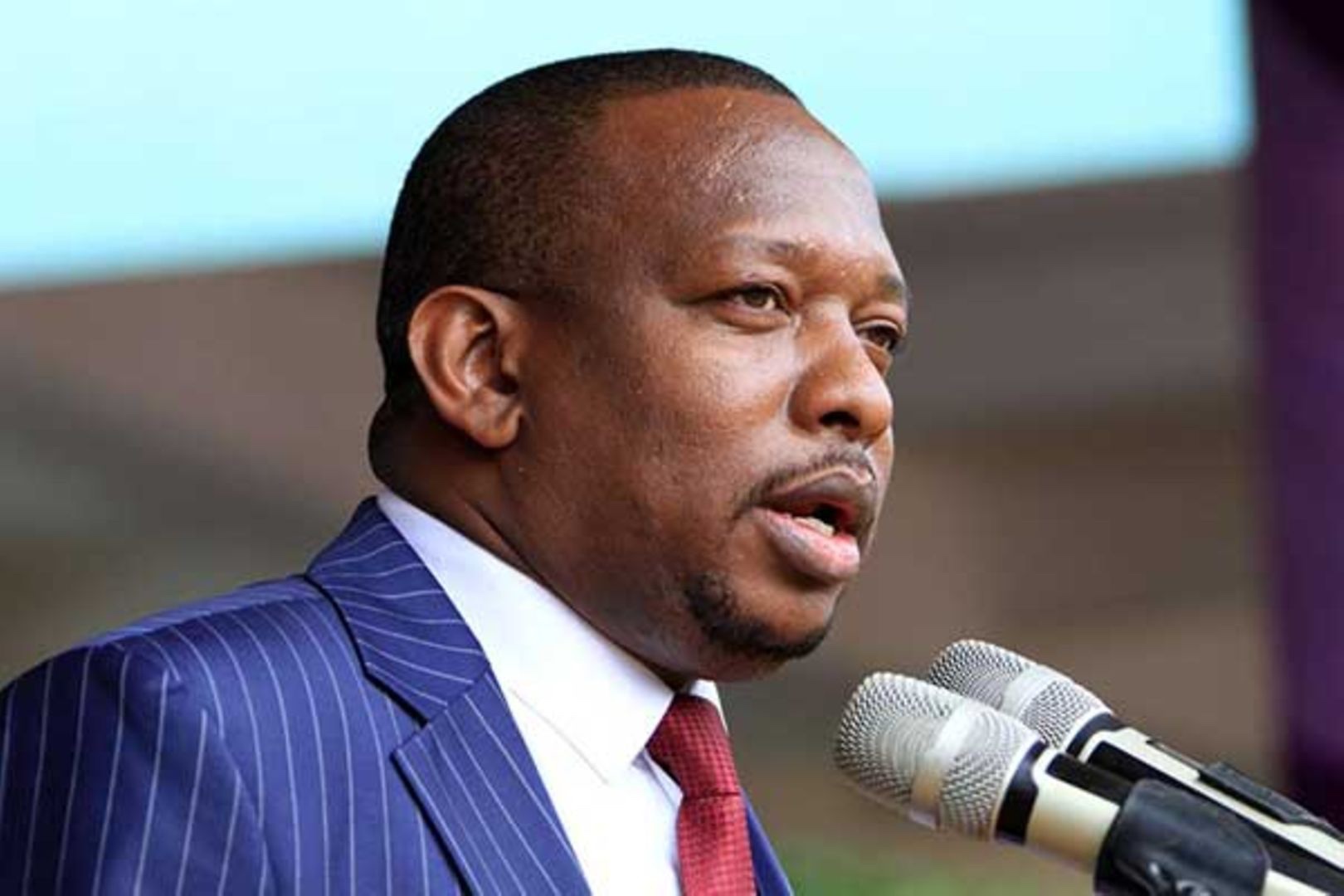
Former Nairobi Governor Mike Sonko has told the court that his refusal to sign the county budget became a major point of conflict with the national government and ultimately contributed to his impeachment.
Testifying in his corruption case, Sonko said he declined to approve the budget after consulting the county attorney and his lawyers, who advised him that there was no clear legal framework allowing the county to finance some of the functions transferred to it by the national government.
He listed transport and infrastructure, health, education and housing among the devolved functions at the centre of the dispute.
Sonko said he feared that approving the budget without a proper legal framework would expose him to personal liability in future.
“I was consulting my lawyers. They told me that there was no legal framework to allow the funding of the transferred functions,” Sonko told the court.
He said he later raised the matter with then-President Uhuru Kenyatta and explained why he had declined to sign the budget.
According to Sonko, the disagreement over the budget became one of the key issues surrounding his eventual removal from office.
He also rejected allegations that he willingly submitted to the impeachment process, saying he opposed it because he believed it was politically motivated and unlawful.
Sonko recalled that the impeachment proceedings were televised and claimed that about 76 Members of the Nairobi County Assembly were initially on his side.
The former governor said the matter later moved to the Senate, where some senators allegedly claimed they had been offered bribes to vote for his removal.
He said he continued challenging the impeachment in court after leaving office.
Sonko was also questioned about his opposition to demolitions and several development projects in Nairobi.
He referred to companies and investments including Home Choice Holdings Limited and Northlands while explaining what he described as interests associated with members of the former first family.
Sonko said his opposition to some demolitions was informed by concerns over the lack of adequate consultation with affected residents.
He maintained that his decisions as governor were based on his interpretation of the law and what he considered to be his responsibility to protect Nairobi residents.
Sonko is testifying in his defence after a Nairobi court ruled that the prosecution had presented sufficient evidence for his corruption case to proceed to the defence stage.