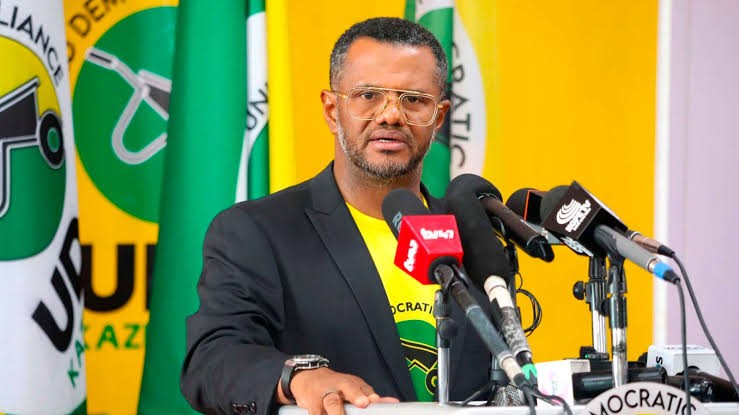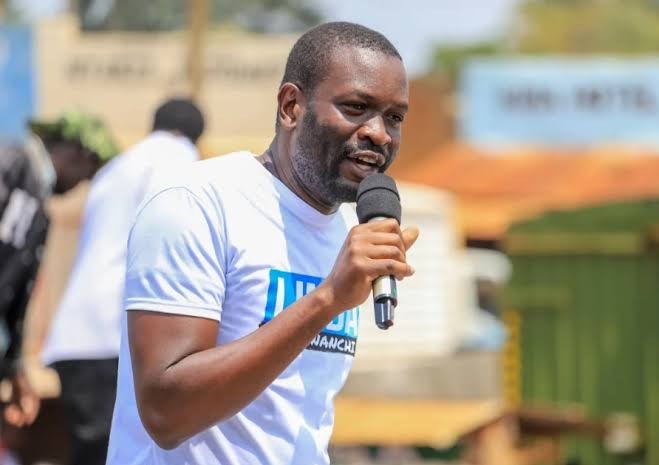
Nairobi Senator Edwin Sifuna has hit back at President William Ruto following the President's remarks that freedom and democracy are meaningless without transformation, progress, and development.
In a sharp response, Sifuna argued that the protection of human life and fundamental freedoms must come before material development, insisting that Kenyans want to live in a free and democratic country.
“It’s actually the other way round, Mr President,” Sifuna wrote in a post on X.
“There is a reason the right to life and the fundamental freedoms come first in the Bill of Rights. More than anything else, we want to live in a free and democratic country because in the dark of the grave where you put Rex Maasai and Albert Ojwang, you can’t see shiny things,” he added.
Sifuna’s remarks appeared to reference Rex Maasai and Albert Ojwang, whose deaths have featured prominently in public debates about human rights, police accountability and the protection of civil liberties in Kenya.
The senator’s response came a day after Ruto addressed a church service in Kapsabet, Nandi County, on Sunday, October 18, 2026, where he argued that democratic freedoms must translate into tangible improvements in the lives of ordinary citizens.
The President invoked biblical teachings to support his position, arguing that faith without actions is meaningless and drawing a parallel with the country’s struggle for freedom.
“Freedom, democracy, without transformation, without progress and development, is freedom that doesn’t have a meaning,” Ruto said.
He maintained that the struggle for independence and democratic rights would have little value if it did not result in better living standards and economic progress for Kenyans.
The exchange highlights the differences between the President and Sifuna over the relationship between economic development, constitutional freedoms and government accountability.
While Ruto has emphasised economic transformation and improved living standards as key measures of meaningful freedom, Sifuna has stressed the importance of protecting life, civil liberties and democratic principles.
The disagreement comes as political leaders increasingly debate governance, economic performance and constitutional rights ahead of the 2027 General Election.