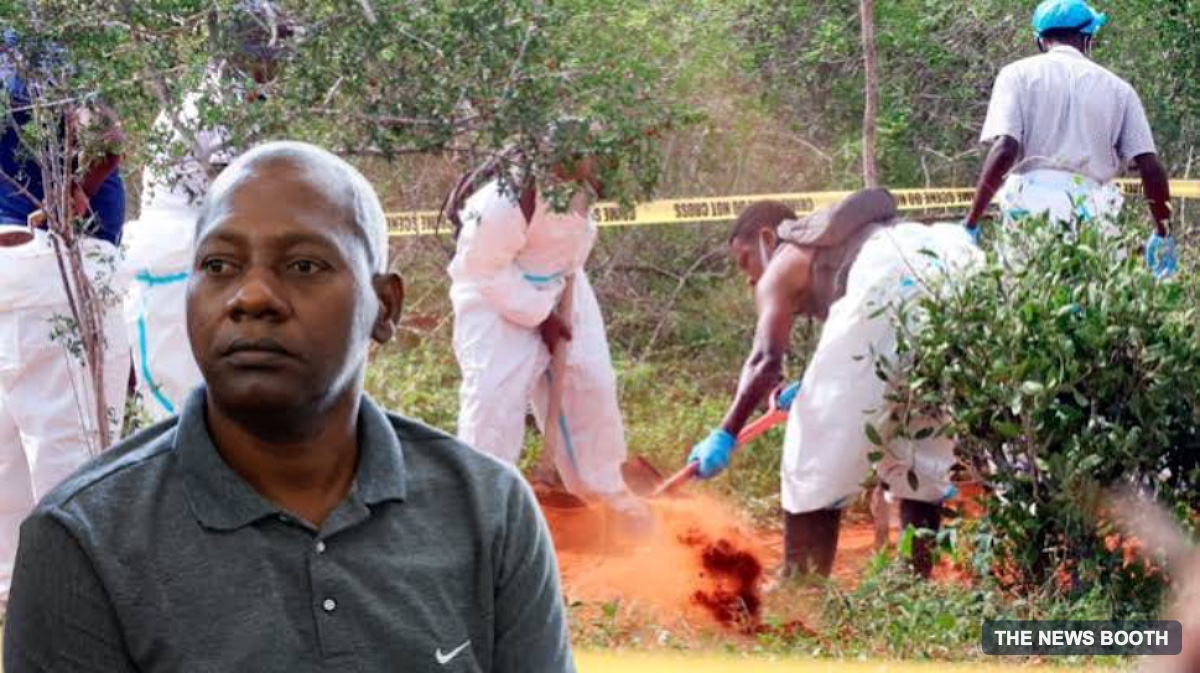
Kenya's Shakahola cult case and Uganda's Kanungu cult fire both involve leaders who gathered followers in remote settings, leading them toward death or abuse.
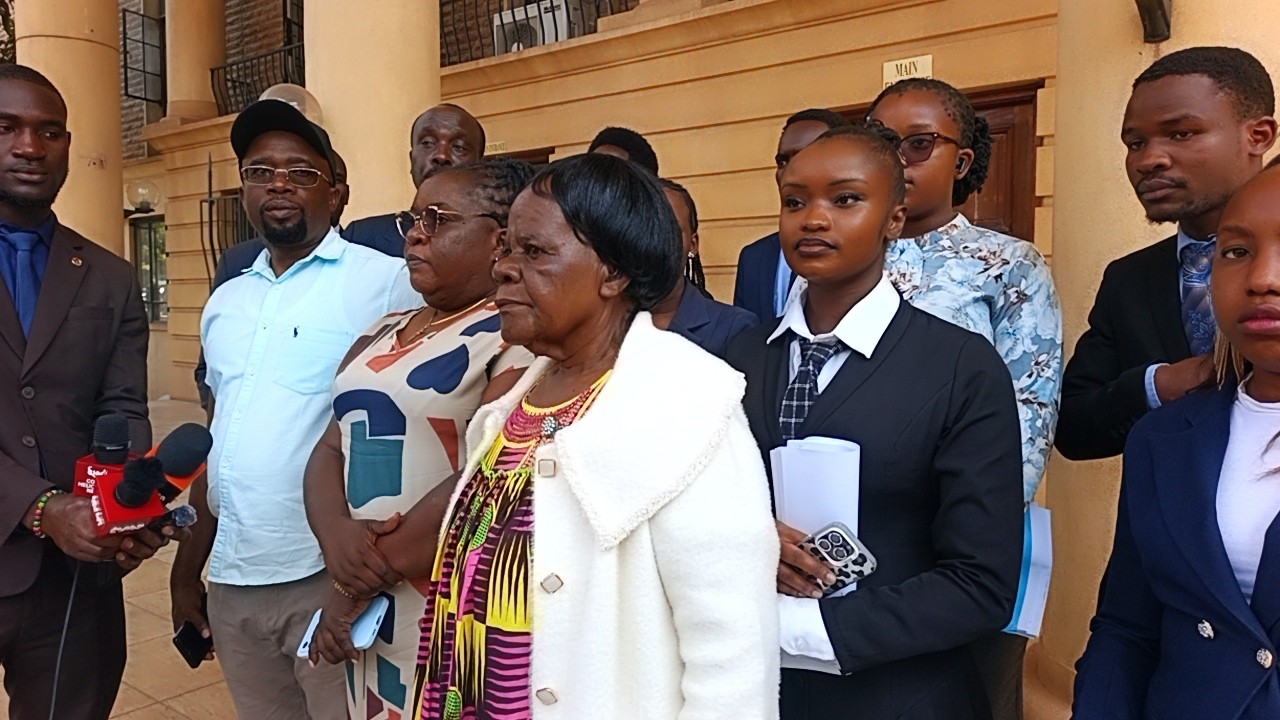
On 25 November 2026, a Mombasa children's court convicted 12 individuals in the Shakahola case, a judgment that followed the 2017 rescue of children from Paul Mackenzie's church.
The tragedy in Uganda began more than two decades earlier, and the comparison highlights how little has changed regarding the warning signs.
The Kanungu tragedy unfolded in March 2000. Followers of the Movement for the Restoration of the Ten Commandments of God died in a fire and a series of poisonings and killings, which were initially considered a mass suicide.
The group's leaders had declared that the apocalypse would occur on 31 December 1999, and when the prophecy failed, the resulting crisis turned lethal.
This pattern echoes Shakahola, where followers were told that starvation was the path to salvation.
The scale of the two cases differs sharply. Police believe the fire at the Kanungu church killed all 530 individuals inside, with the wider movement's death toll totaling 778 members.
In contrast, Kenya's Shakahola case involved 39 accused in one children's trial, with 17 counts and a finding that each child must be linked to a specific accused.
Warning signs were visible in both countries. In Uganda, a school run by the group was closed down in 1998 when inspectors found pupils were maltreated, receiving inadequate nourishment and subjected to hard labor, but the school was later allowed to reopen.
Similarly, Kenya's 2017 rescue of 93 children from Mackenzie's church served as a warning, and Mackenzie was later acquitted in one of two criminal cases related to these charges on 29 October 2021, while the other was dropped.
The response differed in one critical aspect. Uganda's leaders disappeared during the crisis. Credonia Mwerinde and Joseph Kibwetere were both recorded as having disappeared on 17 March 2000, leaving prosecutors without the leaders in the dock.
In contrast, Kenya's Mackenzie remained in custody, was tried, and the current verdict reflects that difference: Kenya can hold a leader accountable, while Uganda's case ended with its principal figures beyond reach.
Regulators also moved at different speeds. Uganda's NGO Registration Board revoked the certificate it issued to the Movement for the Restoration of the Ten Commandments of God, citing the group's criminal activities.
Kenya took a similar step much later, when in January 2024, the church was declared by the Kenya government as an 'organized criminal group' under the Prevention of Organized Crimes Act.
This comparison points to a shared gap: the state had information about dangerous religious groups for years but did not act decisively until bodies were found.
Kenya's government has since flagged the need for tighter control of fringe denominations, and the Mombasa judgment reinforces that religious freedom does not protect harm to children. Uganda's response has been less visible in the sources available for this comparison.
The next step in Kenya is the mitigation hearing on 3 December 2026, when pre-sentence reports will be considered for the 12 convicted individuals, and the 14-day appeal window will show whether either side challenges the findings.
Observers will watch whether Kenya's regulators use their new powers to monitor unregistered congregations before another community is put at risk.